Let's start with what disconnection actually feels like
Your body is there. You can see your hand, feel the temperature of the room, know objectively that you're sitting down. But it doesn't feel like you. This is dissociation. It's a normal human response to chronic stress, past trauma, anxiety, or even just years of ignoring your own needs. Your nervous system learned that tuning out was safer than paying attention.
The problem is that touch, including sexual touch, requires you to be present in your body. If you're not there, pleasure becomes impossible. A lemon vibrator doesn't fix the dissociation itself. But it can be a tool to help you practice being present again, safely and gradually.
Why disconnection makes intimacy feel impossible
When you're dissociated, sensation reaches your brain but doesn't register as yours. It's like watching yourself from outside your body, or feeling numb even when something should feel good. For some people, this means touch feels invasive. For others, it feels like nothing at all.
This isn't laziness or lack of desire. This is your nervous system doing its job too well. It learned to protect you by checking out, and now it won't check back in without permission.
The thing about vibrators, especially clitoral vibrators like the lemon design, is that they offer consistent, predictable sensation. Unlike a hand or a finger, a vibrator maintains the same rhythm and pressure. Your brain doesn't have to anticipate change or prepare for surprise. That predictability is exactly what helps a dissociated nervous system feel safe enough to dial back the armor.
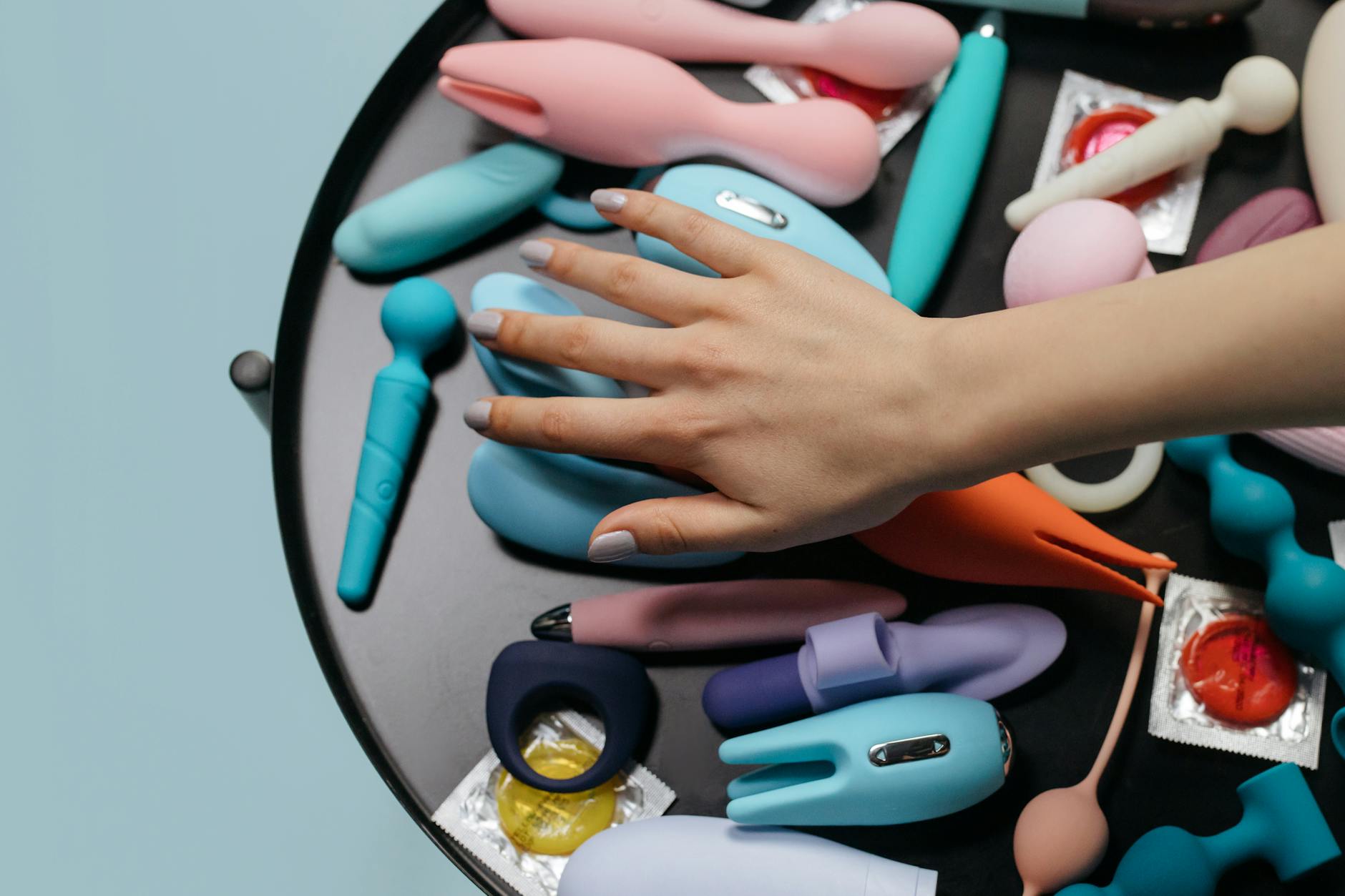
Photo by cottonbro studio on Pexels
The anatomy of reconnection using sensation play
Reconnecting with your body isn't about forcing yourself to feel. It's about rebuilding trust with sensation. Here's how that works.
Start with non-sexual touch. This sounds unsexy, but it's the foundation. Spend a few days noticing temperature, texture, pressure on your skin without any goal. Touch your own arm. Notice how it feels. This isn't meditation. It's just noticing.
Once non-sexual touch feels manageable, introduce the lemon vibrator at low settings. Not with an expectation of orgasm. Just to feel vibration. Many people find that starting with the toy on your body but not directly on your clitoris helps. Try it on your inner thigh, your hip bone, your breast. These areas are sensitive but feel less loaded than the clitoris.
The key is to stay as present as possible. Notice the vibration. Notice your breath. If your mind wanders into worry or shame, that's normal. Name it and come back. "I'm thinking about laundry. Now I'm noticing vibration on my thigh."
This is not meditation. This is radical noticing.
Building a practice that actually works
Three things transform this from frustrating to healing.
First, timing matters. Use the lemon vibrator when you have genuine privacy and won't be interrupted. Dissociation gets worse when you're scanning for threats. A locked door and 20 uninterrupted minutes is the baseline.
Second, there is no deadline. Many people take weeks or months to go from "vibration on my thigh" to "vibration on my clitoris." This is not slow. This is exactly the right pace. Moving faster triggers the same protective shutdown that created the disconnection in the first place.
Third, pleasure is not the goal. I need to say this clearly. Your goal right now is presence, not orgasm. An orgasm that happens while you're still dissociated teaches your body nothing. A session where you felt 30% present teaches your nervous system that being in your body is survivable.
What happens when you reconnect
The first time someone tells me they felt their clitoris respond to the lemon vibrator, they often phrase it like they've survived something. "I felt it. I actually felt it."
That's a big moment. That's your nervous system learning that sensation is safe. That your body is yours.
Once that happens, the practice shifts. You can gradually increase intensity. You can move toward the clitoris. You can start to notice arousal building, which is a different kind of sensation than the vibration itself.
For some people, this takes a month. For others, longer. There's no normal timeline. Your nervous system was protecting you for a reason, and it will heal on its own schedule.
If your partner is part of this process
If you're in a relationship and your disconnection affects your shared intimacy, here's what helps.
Tell your partner: "I'm not using this vibrator as foreplay. I'm using it to rebuild my relationship with my own body. This is about me learning to feel safe in myself again. It's not something you need to participate in right now." That boundary is crucial. If your partner feels like they need to be involved or that this is about them, the whole thing derails into performance anxiety.
That said, if after weeks or months of solo practice, you want to introduce your partner to this journey, that's different. How to Use Lemon Vibrators When Your Partner Wants to Explore Together but You're Nervous walks through that conversation.
The person you're with doesn't need to "fix" your dissociation. They need to understand that you're doing the work, and their job is patience and consistency, not pressure and performance.
When disconnection is tied to something deeper
If your dissociation is connected to trauma, anxiety disorder, depression, or medication side effects, a vibrator is a support tool, not a solution. You might also benefit from talking to a therapist who specializes in somatic work (body-based therapy) or trauma-informed care.
The two work together beautifully. Therapy addresses the root. The practice with the lemon vibrator builds the bridge between your mind and your body.
The work of coming home to yourself
Reconnecting with your body is not sexy. It's not Instagram-friendly. It's you, in a quiet room, noticing vibration on your skin and learning that you're safe. It's boring, in the best possible way.
But after weeks of that practice, something shifts. You start to trust your own sensation. You start to remember that pleasure is yours. That your body belongs to you.
The lemon vibrator isn't magic. Your nervous system is. Your body wants to feel good. It just needed permission and consistency. You're giving it both.
People also ask
How long does it take to feel reconnected to your body using a vibrator?
Every nervous system has its own timeline. Some people feel a shift in sensation within a few weeks of consistent practice. Others take months. The average is 6-12 weeks of regular sessions before dissociation noticeably decreases. What matters more than speed is consistency. A few minutes three times a week beats an hour once a month.
Can dissociation from your body affect your ability to have an orgasm?
Absolutely. Orgasm requires at least some level of present-moment awareness in your body. If you're dissociated, your nervous system won't allow the buildup needed for climax, even if the physical sensation is there. That's why reconnection comes first. Orgasms often return naturally once you rebuild that presence.
Is it normal to feel numb even when using a vibrator?
Completely normal, especially at the beginning. Numbness is also a form of dissociation. The vibrator isn't failing. Your nervous system is still protecting you. Keep going with low-intensity practice on non-genital areas first. The goal isn't to feel everything immediately. It's to feel something, anywhere, and then gradually expand from there.
What if I feel anxious or panicked when I try to use the vibrator?
That's a sign you need more time with non-sexual touch first. Don't force it. Spend another week or two just touching your own arm, noticing texture, noticing you're safe. When your nervous system feels ready, the vibrator will feel less triggering. If anxiety stays intense, working with a somatic or trauma-informed therapist will help.
Can a partner help me reconnect with my body?
Partners can support the process, but the core work is yours. Your partner can't make you feel present. What they can do is respect your privacy, honor your timeline, and avoid pressuring you. How to Use a Lemon Vibrator When You Feel Disconnected From Pleasure After Years Together goes deeper into partnered reconnection if that's your situation.
What settings should I use on the lemon vibrator to start reconnecting?
Start at the lowest setting available. Many vibrators have 3-5 intensity levels. Stick with level 1 or 2 for your first few sessions. The goal isn't stimulation. It's noticing. You're teaching your nervous system that vibration is safe. Once that feels manageable, you can increase gradually. There's no rush to higher intensities.