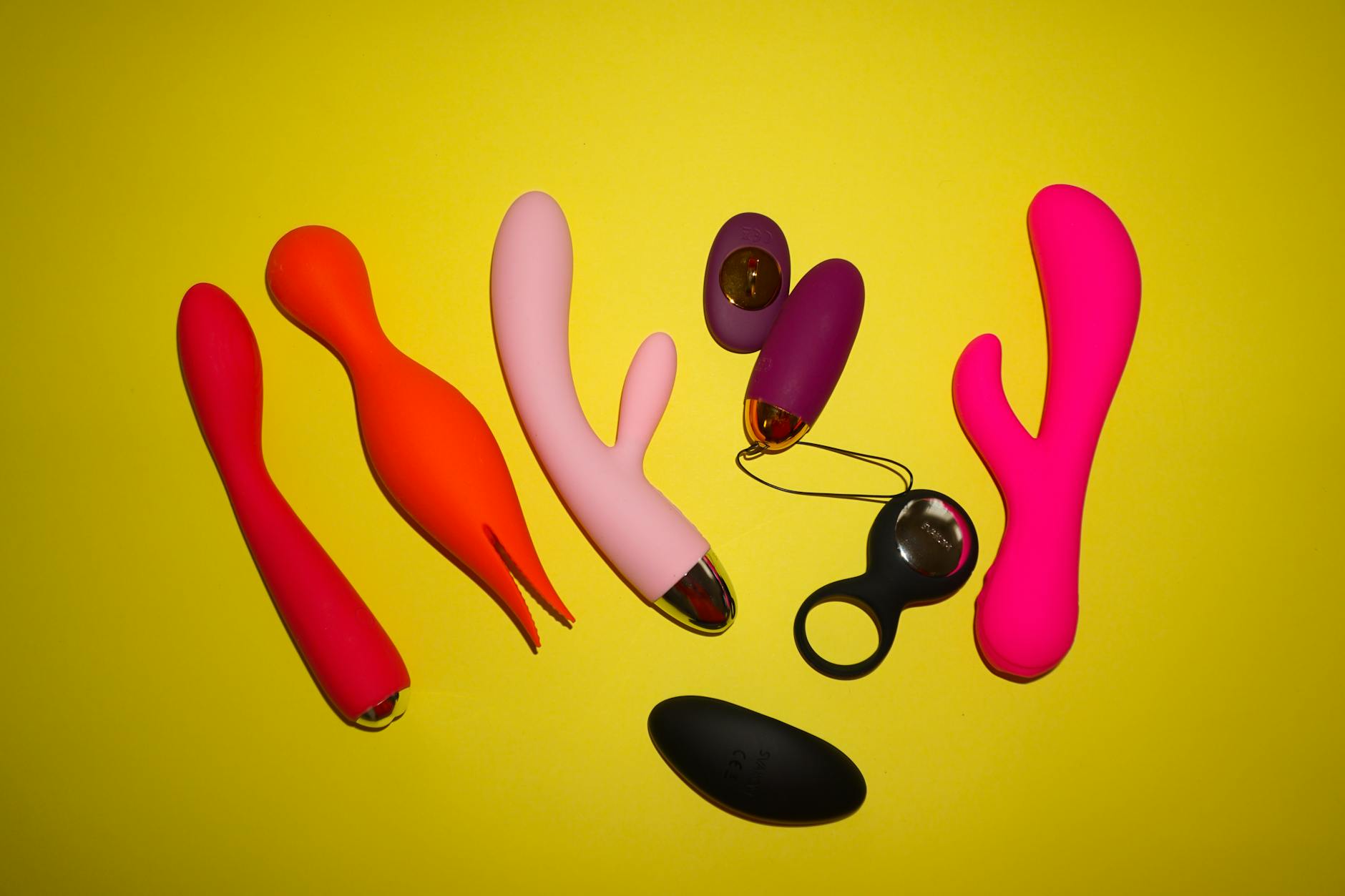
Let's name the actual feeling here
Here's the thing. Your partner suggesting you explore pleasure together is genuinely good. It means they're interested, they're thinking about you, they want connection. And you can hold all of that as true while also being nervous, uncertain, or even a little bit panicked about it.
Nervousness about introducing a lemon vibrator into shared intimacy is wildly common. You might be worried it'll feel clinical, or that you'll become "the person who needed a toy," or that your partner will take it the wrong way. You might fear it'll change the dynamic of intimacy or that you're overthinking something that should be simple. All of those worries make sense. None of them mean something's wrong with you or your relationship.
The good news: introducing a lemon clitoral vibrator into partnered intimacy doesn't have to be weird, performative, or loaded. It can just be a tool that feels good and that you both get to enjoy together.
Why the nervousness is actually useful information
Before you introduce anything, your anxiety is telling you something worth listening to. It's not telling you "don't do this." It's telling you "I need clarity, safety, and communication before this feels okay."
That's different. The nervousness is pointing toward what actually needs to happen first.
Many couples skip the conversation and jump straight to the toy. Then everything feels rushed, pressured, or misaligned. The toy becomes the thing you argue about instead of the thing you enjoy. When you pause and actually talk about why you're hesitant, you create space for real intimacy before the lemon vibrator even enters the picture.
So ask yourself: What specifically worries you? Are you concerned about performance pressure? Concerned your partner might judge you? Worried it changes something fundamental about your sex life? Nervous about logistics, like noise or timing?
Each worry has a different answer.
The conversation that makes everything easier
You don't need a formal sit-down discussion in the kitchen. You just need honesty, ideally when you're both relaxed and not in the bedroom yet.
Try something like: "I'm actually really into the idea of exploring this together. I'm also a bit nervous about it, and I want to talk that through before we try it."
That's it. You've named both things as true.
Then ask your partner what they're imagining. Not in a "are you disappointed in me" way, but genuinely curious. What made them interested? Are they picturing you using it solo while they watch? Are they hoping to use it on you? Do they want to incorporate it into a particular kind of intimacy? Do they have specific expectations about how it "should" feel?
Honestly, sometimes partners suggest toys because they've absorbed cultural messaging that toys are "spicier" or more exciting. Sometimes they suggest them because they genuinely want to reduce pressure on themselves. Sometimes they're curious. Understanding their actual motivation removes a ton of phantom anxiety.
And tell your partner what you need. "I want to try this at my own pace" or "I want to use it alone first to get comfortable" or "I want us to explore this when we're both relaxed, not rushed." These aren't rejections. They're roadmaps.
Using a lemon vibrator solo first (the underrated move)
Here's what I tell almost every client who's nervous about shared exploration: use it alone first. Not because your partner is waiting. Not because you're preparing to perform. But because you deserve to know how something feels, what you like about it, and what tempo works for your body, without anyone watching.
When you've explored a lemon clitoral vibrator solo, you come to partnered intimacy with actual knowledge instead of uncertainty. You know which pattern feels good. You know whether you prefer it directly on your clitoris or adjacent to it. You know whether you want it for the entire experience or just to build arousal. You know what your breathing sounds like, what your body does, what actually feels pleasurable versus what you thought "should" feel pleasurable.
That knowledge is grounding. It's also incredibly attractive to partners, because nervousness dissolves when you actually know what you want.
Take a few solo sessions before you bring your partner into the picture. No agenda. Just exploration. If you're using a lemon vibrator from Nancy's Lemss, start on the lower intensity patterns (usually 1-3) and work up. Notice what feels good. Notice what doesn't.
When you're ready to involve your partner, start small
Small doesn't mean rushed or half-hearted. It means you set a boundary that matches your comfort level.
You might start by just telling your partner: "I tried that toy you mentioned, and I actually really liked it. I want to use it again when we're together, but I'm still getting comfortable with it. Can we just keep things low-pressure?" That's permission for both of you to explore without expectation.
Or you might use the vibrator during foreplay, early on, when things are building but you're not yet in the middle of intimacy. That removes the feeling of it being "the main event."
Or you might use it while your partner is present but not immediately involved. They're there. You're not hiding it. But you're not performing. You're just experiencing something that feels good while they're beside you.
Honestly? The moment a lot of nervous partners relax is when their partner sees them enjoy something and likes watching. It's not about performing then. It's about genuine pleasure. And that's a different energy entirely.
What to actually do if it feels weird in the moment
Sometimes you're there, the lemon vibrator is in hand, your partner is present, and it suddenly feels awkward or overstimulating or not right. That happens. Here's what matters: you get to pause without shame.
"This isn't working for me right now" is a complete sentence. Your partner doesn't need explanation. They don't need to fix it. You just need to pause, reconnect without the toy, and try again another time if you want to.
Nervousness that hits mid-experience is usually either overstimulation (too much sensation, too fast) or a sudden spike in performance anxiety. The fix isn't pushing through. It's stopping, breathing, and remembering that this is meant to feel good, not stressful.
After you pause, you might say: "I got in my head a little. Can we just connect for a minute without the toy?" Then you build back up. Or you move on entirely. Both are fine.
The goal is never to "use the lemon vibrator correctly" or to prove something. The goal is to feel good and to feel close to your partner. If the vibrator is serving that goal, great. If it's not in that moment, you stop.
Why talking after matters as much as talking before
Here's what couples often skip: a real check-in afterward.
Not immediately after (that's not the time). But the next day or in a low-pressure moment, actually say: "How did that feel for you?" and "How did that feel for me?" and "Do you want to try again? Do you want to change anything?"
Maybe your partner loved watching you use it and wants to do that again. Maybe you realized you prefer using it solo and want to keep it that way. Maybe you both want to experiment with timing or intensity. Maybe you want to just move on and not think about it again. All of those are valid.
The conversation prevents resentment from building. It also prevents assumptions. Instead of wondering if your partner was disappointed or judging you, you actually know.
And here's the thing I always tell clients: the couples who move through shared pleasure exploration the easiest are the ones who talk after just as much as before. They normalize the conversation. They make it normal to say "this worked" or "this didn't" or "I want to try something different." That kind of honesty builds actual intimacy.
The shift that happens when nervousness becomes curiosity
Eventually, for most couples who move through this thoughtfully, nervousness becomes something else. Not always excitement, but curiosity. You're less worried about what it means or whether you're "doing it right" and more interested in what actually feels good.
That's when lemon vibrators stop being "a thing we're trying because someone suggested it" and become "a tool we use when we want to." Sometimes weekly, sometimes monthly, sometimes just knowing it's there if you want it.
The nervous version of you right now doesn't have to figure out the rest of your intimate life today. You just have to figure out the next small step. Talk to your partner. Maybe use the vibrator solo. Maybe bring it into a moment of closeness. See how it feels. Adjust. Repeat.
Your nervousness doesn't mean something's wrong. It just means you care about how this goes. That's actually the foundation for doing it well.
People also ask
Should I tell my partner I'm nervous about using a lemon vibrator together?
Absolutely. Partners who know you're nervous actually adjust their own expectations and move more slowly, which usually makes everything feel better. Nervousness you hide often reads as resistance, which can create weird tension. Nervousness you name usually leads to better conversation and deeper trust. Say it.
What if I use a lemon vibrator alone and decide I don't like it?
Then you don't like it. You tell your partner "I tried it, it's not really my thing," and you move on. Not every toy works for every body, and that's completely normal. Liking something your partner suggested isn't a requirement. You get to have preferences.
Is it weird if my partner wants to watch me use a lemon vibrator?
Nope. Lots of people find it genuinely hot to watch their partner experience pleasure. It's not voyeurism, it's connection and interest in you. Some people find it uncomfortable, and that's also valid. But watching isn't inherently weird. It's just a form of shared intimacy.
How do I know if my partner suggests a vibrator because they want to or because they think I need one?
Ask them directly. "What made you interested in exploring this?" Most partners are pretty honest if you ask openly. Some genuinely want to share it. Some are curious. Some think it might help you relax. Some are bored and want novelty. Each motivation is different and worth understanding.
What if we use a lemon vibrator together and I don't orgasm?
Then you don't orgasm in that moment. Orgasm isn't the goal of shared intimacy. Connection is. If you're relaxed, present, and enjoying yourself, that's the win. Pressure to orgasm on schedule is honestly the fastest way to make pleasure feel like a performance.
Can my partner use a lemon clitoral vibrator on me if I'm nervous?
Yes, but start with clear communication about what feels good and what doesn't. A lemon vibrator is responsive to what you want. If your partner's using it, you need to be able to say "softer," "different spot," "pause," or "stop." That communication channel has to be open before they start, not during.
You don't have to have this figured out today
Introducing a lemon vibrator into shared intimacy with your partner isn't a one-time event where you get it "right" or "wrong." It's an ongoing conversation about what feels good for both of you. You get to be nervous. You get to move slowly. You get to change your mind. You get to try something and decide it's not for you.
What matters is that you're both actually communicating instead of assuming. That you're moving at your pace, not someone else's. And that you remember pleasure is supposed to feel good, not stressful.
If you want more specific guidance on navigating intimacy conversations or rebuilding closeness with your partner, that's something we can explore together at a deeper level. Reach out whenever you're ready to talk through what's actually happening in your relationship.
Sources and references
Gottman Institute research on couples communication and sexual intimacy
Therapy Network on nervousness in partnered sexual exploration
Modern sexual wellness frameworks on communication and consent
Research on pleasure and anxiety reduction in coupled intimacy