Here's the thing about long-term touch
After five, ten, fifteen years with the same partner, your body stops registering their touch the way it used to. Not because you've fallen out of love. Not because they're doing anything wrong. Your nervous system has simply learned that this particular stimulus is safe and familiar, so it stops firing the way it did when everything was new.
Neurologists call this habituation. Your brain has optimized for efficiency. The touch that used to spark a full-body response now barely registers because your nervous system has categorized it as "known, safe, not a threat." It's the same reason you stop hearing the refrigerator hum or noticing the shirt you wear three times a week.
The result feels like disconnection from pleasure itself. But what's actually happened is disconnection from novelty. Those are two completely different problems with very different solutions.
Why sensation fades in long-term relationships
There are three overlapping reasons pleasure gets quieter over years together.
First: neural habituation. Your partner's touch becomes predictable. Predictability is good for security and bad for sensation. Your nervous system stops treating it like information your brain needs to process. The same pressure, the same rhythm, the same hand in the same spot for a decade. Your body learns to ignore it.
Second: relational friction. By year seven, most couples are managing logistics, not chasing each other. You're solving problems, coordinating schedules, managing disappointment. The ambient tension in the relationship rises slightly, even in good partnerships. Your nervous system picks up on that and guards against vulnerability. Pleasure requires vulnerability. So sensation dampens even when you're physically close.
Third: lack of novelty in stimulation. If you've been relying on the same type of touch, from the same person, with the same rhythm, your nerve endings have stopped paying attention. Novel stimulation wakes your nervous system up. A different pressure, a different pattern, a different tool. These send new signals that your brain actually processes.
None of these are fixable by communication alone. You can talk more, but talking doesn't rewire sensation. You need to change the actual input.
Why a lemon vibrator works differently than a partner's hand
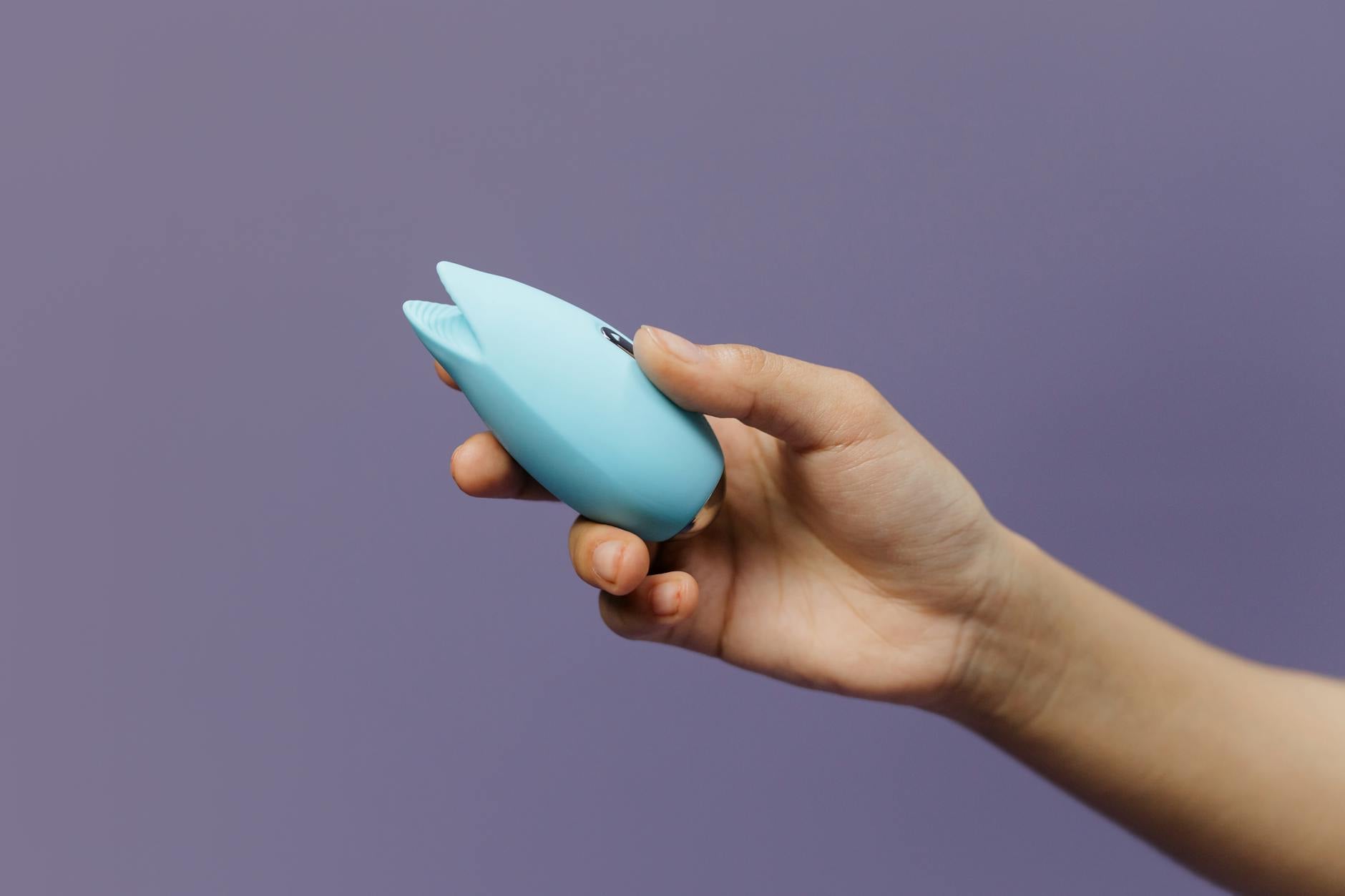
A clitoral vibrator like the Lem does something a hand cannot do. It delivers consistent micro-vibrations at a frequency your hand cannot maintain. More importantly, it delivers those vibrations in a novel way.
When your nervous system encounters novelty, it wakes up. You're no longer in habituation mode. The suction-and-vibration pattern of a lemon vibrator activates nerve clusters that partner touch often misses entirely because the angle, the pressure, and the stimulation pattern are fundamentally different.
For people who feel numb to partner touch specifically, this matters. You're not introducing vibration into an existing habit. You're creating a new neural pathway. Your brain treats it as new data. Sensation returns because your nervous system is actually processing the input again.
Many of my clients report that using a lemon vibrator alone, without partner involvement, is what allows them to feel pleasure again at all. The novelty rewires their responsiveness. Then, once that rewiring has happened, partner touch sometimes regains some of its spark because the nervous system is no longer completely habituated.
The reconnection protocol
If you're using a lemon vibrator specifically to break through disconnection after years together, here's what actually helps.
Start solo, not partnered. I know the instinct is to make it a couple's thing. Don't. Your job right now is to rewire your own sensation without the weight of your partner's expectations or presence. Use the Lem alone for at least two to four weeks. Let your nervous system remember what pleasure feels like without an audience.
Go slow on intensity. If you're feeling numb, the temptation is to jump to the highest settings. Resist it. Start on patterns one or two. You're teaching your nervous system to feel subtle stimulation again, not chasing an orgasm. Intensity will make sense once sensation returns.
Build a ritual, not a checklist. Don't add vibrator use to your to-do list. Create space for it the way you'd create space for a bath. Set a time when you won't be interrupted. Light something. Put your phone away. The ritual signals to your body that pleasure is worth time and attention. Your nervous system responds to that signal.
Vary your touch patterns. Once you're using the lemon vibrator regularly, start changing the pattern. Try it on different settings. Try different hand movements alongside the vibration. Try different positions. Novelty is what woke your nervous system up in the first place. Keep introducing variation so habituation doesn't creep back in.
Notice the difference in sensation. After about two to three weeks of regular use, you'll start feeling texture, pressure, and nuance again. That's not the vibrator working harder. That's your nervous system waking up. Pay attention to that. It's the foundation for everything that comes next.
What changes when sensation returns
Once you've spent time rewiring your own pleasure, three things often shift.
You want partner touch again. Not in the "I should want this" way. In the actual, physical way. Because your nervous system isn't stuck in habituation anymore, familiar touch registers differently. It's not new, but it's no longer invisible.
You start initiating. When you feel pleasure returning, you stop waiting for your partner to initiate. You actually want physical connection again. This often surprises long-term partners who've adapted to lower desire.
You can ask for what works. Once you know what sensation feels like again (because you've felt it through the vibrator), you can communicate differently with your partner. You're not saying "I'm numb." You're saying "This setting on the vibrator feels incredible because of the angle. Can you touch me more like this." Specificity, not complaint.
Talking to your partner about this
If you're in a partnership, your partner probably knows something has shifted. Here's how to frame it.
You're not saying "I'm disconnected from you." You're saying "My nervous system got used to a particular type of touch, and I want to rewire that so I can feel pleasure more fully. A vibrator is a tool for that." That's true and it positions it as your own work, not an indictment of their touch.
You might also say, "Using this alone for a while helps me remember what sensation feels like. Once I've got that back, I want to explore how this works together." Many partners find that less threatening than "I need this because your touch doesn't work anymore."
Some people bring their partner into the process immediately. Some wait four weeks. Some wait until they feel confident in their own sensation again. There's no wrong timeline. But separation matters. You need to feel pleasure return on your own first. Then you can decide what partnership looks like around it.
When disconnection isn't just habituation
If you're feeling numb to pleasure with a partner but still feel sensation alone or with different partners, habituation is likely the culprit. But if you're numb in all contexts, with all people, that's different. That might be medication side effects, hormonal changes, depression, or relationship trauma that needs a different intervention.
If numbness is universal and lasting more than six weeks despite trying solo use of a lemon vibrator, check in with a doctor or therapist. Reconnection takes time, but complete absence of sensation across all contexts often signals something beyond habituation.
The truth about pleasure and time
Long-term relationships don't kill pleasure. They habituate it. The nervous system does what it's designed to do. The fix isn't more communication or more effort. It's novelty, rewiring, and permission to explore your own sensation again.
Using a clitoral vibrator in a long-term relationship isn't about replacing your partner's touch. It's about waking your nervous system back up so that all touch, including theirs, feels like something again.
FAQs about lemon vibrators and long-term disconnection
How long does it take to feel sensation return when using a clitoral vibrator?
Most people notice a shift within two to three weeks of regular use, a few times a week. Some feel it sooner. The speed depends on how habituated your nervous system is and whether you're also managing relationship stress or medication effects. Consistency matters more than frequency.
Can I use a lemon vibrator with my partner right away or should I start alone?
Start alone for at least two to four weeks. Your job is to reconnect with your own sensation, not to perform pleasure for someone else. Once you feel confident that sensation is returning, you can explore partnered use. Many people find this sequence reduces pressure and increases actual arousal.
What if my partner thinks I need a vibrator because they're not enough?
That's a common fear. Here's the truth: a vibrator isn't a replacement for a partner's touch. It's a tool for rewiring your nervous system's responsiveness. You might compare it to how going to the gym alone helps you feel stronger, which then makes activities with your partner feel better. It's not about them being inadequate. It's about you reclaiming sensation.
Does using a lemon vibrator solo affect my ability to orgasm with my partner later?
Not negatively. In fact, the opposite. Once you've rewired sensation through solo use, you often have an easier time reaching orgasm with a partner because your nervous system is no longer habituated to their touch. You feel more, not less.
How do I know if I'm numb because of the relationship or because of something else?
Ask yourself: Do you feel pleasure alone, or not at all? Do you feel it with different partners, or only with this one? Does it come and go, or is it constant? If you feel sensation alone or with different partners, habituation to this specific partner's touch is likely. If you feel nothing in any context, that's worth exploring with a doctor or therapist.
What if the vibrator doesn't help after a month?
If there's zero change after consistent use over four weeks, something else is likely at play. That might be depression, hormonal changes, trauma, or relationship issues that go deeper than habituation. A therapist who specializes in couples work or sexual health can help you figure out what's actually happening. Sometimes pleasure doesn't return until the relationship itself shifts.
What happens next
Disconnection after years together feels permanent until you start rewiring. A lemon vibrator isn't a magic fix. It's a tool that introduces novelty to your nervous system, which is exactly what breaks habituation. Sensation returns. Then you get to decide what partnership looks like with that sensation restored.
The work is yours to do first. Then, once you feel pleasure returning, you can decide what to share with your partner and how. That agency matters. You're not trying to fix your relationship through a vibrator. You're using a vibrator to reconnect with yourself. Everything else follows from there.
For more on how to navigate this conversation with your partner, check out our guide on how to use a lemon vibrator when your partner won't discuss pleasure. And if you're navigating deeper relationship issues around disconnection, our piece on how to rebuild pleasure and intimacy after a partner cheats covers some of the harder conversations that sometimes need to happen first.