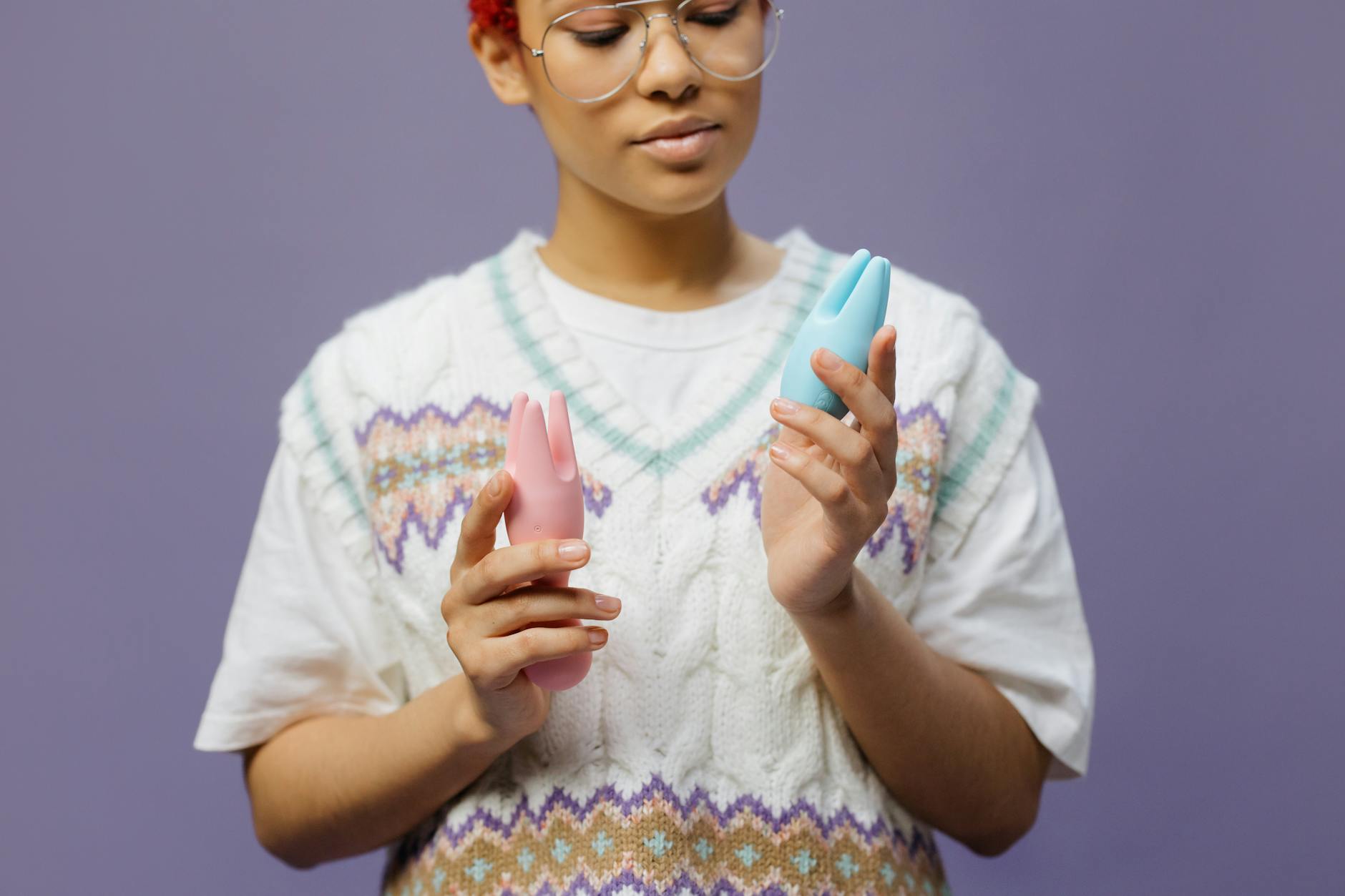
The problem nobody talks about enough
If you live with vestibulodynia or vulvodynia, you've probably heard "just use a vibrator" as advice. And you've probably thought, "Yeah, no." Direct vibration on tissue that's already inflamed, burning, or hypersensitive feels like the opposite of pleasure. It feels like punishment.
The trouble is most traditional vibrators rely on direct pressure or buzzing friction. For people with vulvodynia, that's the wrong input entirely. You need stimulation that engages the nerve endings without triggering the pain response. That's where lemon vibrators and air-suction clitoral toys shift everything.
How vestibulodynia changes sensation
Vestibulodynia is localized pain in the vestibule (the tissue around the vaginal opening) triggered by pressure, sometimes even light touch. The tissues are often inflamed at a microscopic level. Your nervous system is primed to interpret pressure as threat.
Traditional vibrators create their sensation through rapid mechanical vibration. That vibration translates to repeated micro-pressure on the tissue. For someone with vulvodynia, that's exactly what causes pain.
Air-suction toys like Hello Nancy's lemon clitoral vibrator work completely differently. Instead of vibrating against the tissue, they create a gentle suction-and-release rhythm that stimulates nerve endings through negative pressure rather than positive. The sensation is more like someone's lips gently pulling at the clitoris. No direct pressure. No friction-based vibration.
Why the Lem feels different (the good kind of different)
Three technical reasons air-suction design wins for vestibulodynia:
1. Zero direct contact. The lemon vibrator's opening hovers just above (or very gently on) the clitoris. Your skin doesn't experience the grinding sensation of a vibration motor. Instead, the suction creates a rhythmic pulling feeling that activates nerve clusters without the mechanical pressure that triggers pain.
2. Stimulation of deeper tissue. The suction effect reaches the internal clitoral structure, which isn't usually as inflamed as the vestibular tissue. This redirects sensation away from the pain-sensitive areas and toward tissue that's often still responsive to pleasure.
3. Control over intensity. Most lemon adult toys include adjustable suction levels. You're not stuck with one intensity. You can start at pattern 1, a barely-there pulse, and move up only if it feels good. That agency matters when your nervous system is already on high alert.
The physiological shift that makes this work
Vestibulodynia can trigger something called central sensitization, where your nervous system learns to interpret more and more inputs as dangerous. You're not imagining the pain. Your nervous system genuinely is primed to see threat everywhere.
When you use a stimulation method that bypasses that threat detection, something shifts. Air suction activates pleasure pathways without tripping the alarm. Over time and with repeated positive experiences, your nervous system can start rewiring the association between clitoral touch and pain.
I want to be clear: a lemon sucker is not a cure for vestibulodynia. But it's often the first tool that lets people with this condition actually feel pleasure again. That matters. It matters for your sense of possibility. It matters for your partnership. It matters for you.
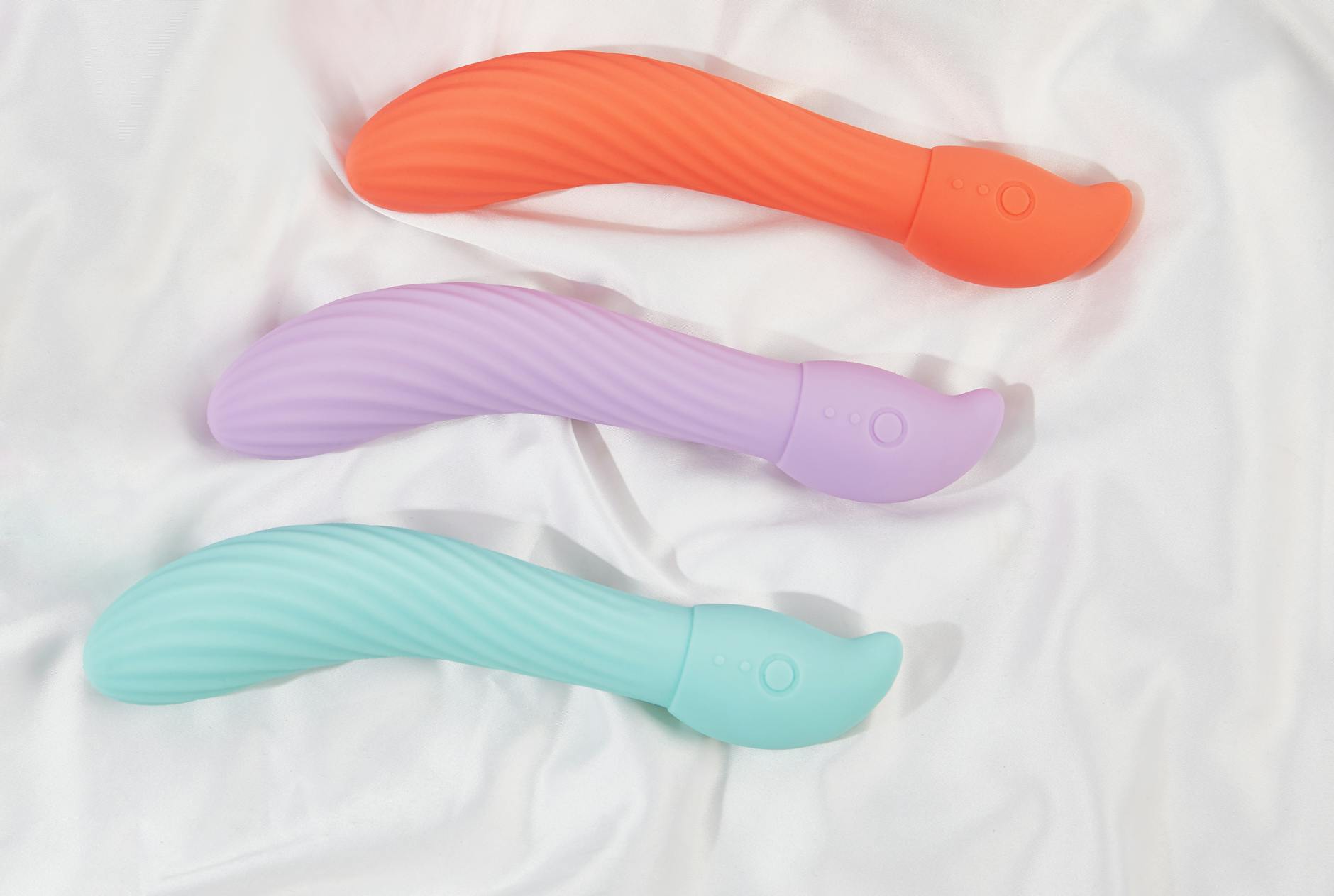
Photo by IFONNX Toys on Pexels
How to introduce air suction safely
If you have vestibulodynia and you're considering trying an air-suction lemon vibrator for the first time, here's the approach I recommend:
Start with the lightest setting. The Lem has multiple intensity levels. Begin at the lowest one. You're not testing your pain threshold. You're looking for sensation that feels neutral or mildly pleasurable.
Use water-based lubricant. Even though air-suction toys don't require lubrication the way friction-based vibrators do, adding it can make the sensation feel smoother and can help distribute the suction sensation more evenly across the area.
Set a time limit. Try 5 to 10 minutes max on your first session. Vestibulodynia means your tissue is already working hard. You're not training toughness; you're rewiring pleasure.
Track what changes. Notice the next day. How does the vestibule feel? Did pain levels shift? Keep a simple log. This tells you whether you're moving in the right direction.
Consider timing. Some people find air-suction toys feel better at certain points in their cycle or after certain pain management practices. Experiment. Your body's feedback is the real instruction manual.
When to bring your partner in
If you have a partner, they might be wondering why their touch has become painful. Or they might be feeling rejected or hurt. A lemon clitoral vibrator can actually be a bridge for reconnection, but it requires a conversation first.
Here's what to say: "I've discovered that a specific type of toy helps me feel pleasure without pain. I'd like to explore this together. It's not about you; it's about me rediscovering my body." That framing is honest and inviting, not defensive.
Many partners, once they understand that air-suction stimulation bypasses the pain response, become genuinely interested in being part of the experience. They might use the toy on you. They might enjoy watching. The point is: this is a pathway back to shared intimacy, not away from it.
Other tools that work alongside lemon vibrators
Air-suction toys are powerful, but they work best as part of a larger toolkit.
Topical treatments. If you haven't already, talk to a vulvovaginal specialist about lidocaine cream or estrogen creams. These can reduce inflammation and numb pain enough to allow pleasure.
Pelvic floor physical therapy. Vestibulodynia almost always involves pelvic floor tension. A pelvic floor PT can teach you to release that tension consciously. That makes every other tool more effective.
Mindfulness during play. When you're using a lemon vibrator, stay present in sensation rather than bracing for pain. This sounds simple and it's not easy, but it genuinely rewires how your nervous system responds.
For more on pelvic floor health and pleasure tools, see how lemon vibrators improve pleasure after pelvic floor physical therapy.
The difference between vestibulodynia pain and "too much intensity"
One thing I want to be careful about: vestibulodynia pain is different from discomfort that comes from too much intensity. If you're using a lemon adult toy and it feels like pressure or burning, that's vestibulodynia pain. Stop.
If you're using it and it feels intense but not painful. Like a strong sensation that's almost too much but still good. That's intensity. You can build tolerance to that over time.
The distinction is this: pain feels like threat. Intensity feels like a lot but not dangerous. Trust that distinction. Your nervous system knows the difference.
Why this matters beyond the physical
Vestibulodynia robs people of more than sensation. It robs them of the belief that their body is theirs. It creates narratives like "my body betrayed me" or "I'm broken" or "I'll never feel normal again."
When you discover that a particular tool lets you feel pleasure again. Even small pleasure. Even just the absence of pain plus a neutral sensation. Something shifts. Your body stops being an adversary. It becomes a place where discovery is possible again.
That's not a small thing. That's the foundation of healing.
People also ask
Can air-suction vibrators make vestibulodynia worse?
If used at too high an intensity, yes. That's why starting at the lowest setting matters. The goal isn't to prove you can handle it. The goal is to find the threshold where stimulation happens without pain activation. That threshold is different for every person and often changes over time.
How long does it take to feel improvement with a lemon vibrator?
Some people notice a shift in one session. Others need 4 to 8 weeks of consistent use before their nervous system starts rewiring the association between clitoral touch and pleasure. There's no universal timeline. Consistency matters more than frequency.
Should I use a lemon vibrator if I have vulvodynia but not vestibulodynia?
Maybe. Vulvodynia is generalized pain across the vulva. Vestibulodynia is localized to the vestibule. If your pain is widespread, you might need a different approach. Talk to a vulvovaginal specialist before trying any new stimulation tool.
Can I use a lemon sucker if I also have vaginismus?
Yes, but carefully. Vaginismus involves involuntary pelvic floor tension. Air-suction toys can help you access pleasure without triggering that tension response, but you might benefit from pairing it with pelvic floor relaxation work. See a pelvic floor PT first.
Is a lemon clitoral vibrator different from other air-suction toys?
Hello Nancy's Lem is an air-suction toy, but every brand designs suction differently. Some create gentler suction, some stronger. Some offer more intensity levels. If the Lem doesn't feel right, it doesn't mean air-suction design won't work. It might mean a different brand's design suits your body better.
Do I need a prescription or permission from my doctor to use a lemon vibrator?
No. But it helps to mention it to your vulvovaginal specialist or pelvic floor PT. They can give you specific guidance on intensity levels and timing based on your particular presentation of vestibulodynia.
The bottom line
Vestibulodynia makes you feel like pleasure is off the table. It's not. It's just on a different table with different tools. Air-suction clitoral vibrators like lemon toys offer a sensation pathway that bypasses the pain response and reconnects you with your own body.
Start low. Move slowly. Notice what shifts. Your nervous system is learning again. Give it time.