You're not broken. Your nervous system just reset.
Pelvic floor physical therapy works. It strengthens, releases tension, and gives you back control. But here's what no one warns you about: it also recalibrates how pleasure feels. Some people experience numbness. Others feel heightened sensitivity. Many notice their arousal patterns have shifted entirely. If you've finished PT and found that sex, solo or partnered, doesn't feel the way it used to, you're not alone. And you're definitely not done yet.
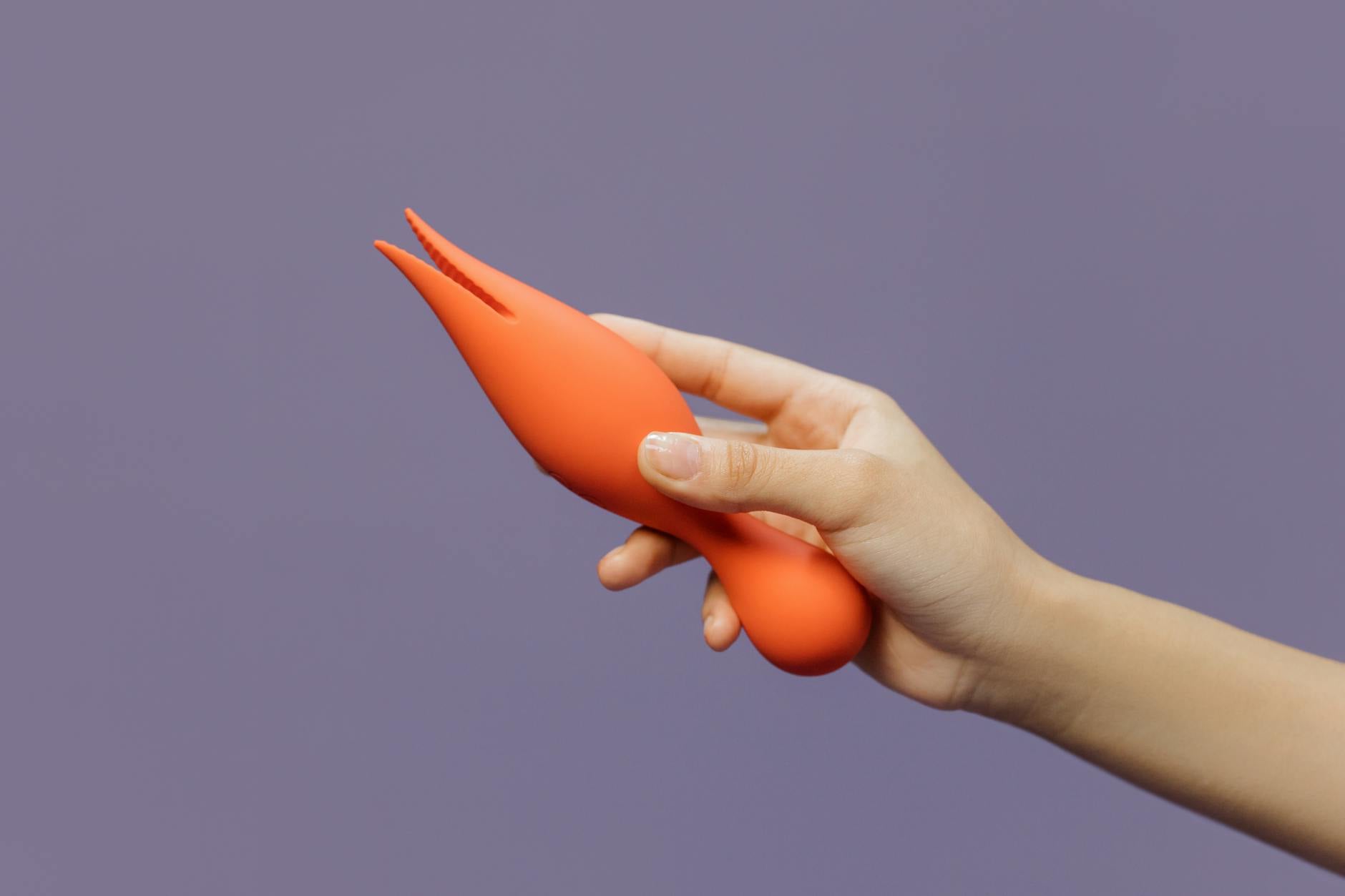
This is where lemon vibrators, specifically air-suction clitoral stimulators like the Lem, become quietly essential. Not as a band-aid. As a bridge back to sensation.
What pelvic floor PT actually does to pleasure
Let's separate the physical from the neurological, because they're not the same thing.
Physically, pelvic floor physical therapy restores strength and flexibility to muscles that have been either chronically tight or underactive. If you've been in pain, your nervous system has been protecting you by dampening sensation. Your tissues have adapted to that protection. When PT releases that tension, the tissue itself doesn't immediately feel "normal" again. It's like a muscle that's been in a cast. It works again, but the proprioceptive (body-sense) feedback has to relearn itself.
Neurologically, your pelvic floor is packed with nerve endings. The pelvic pudendal nerve, pelvic splanchnic nerves, and hypogastric plexus all feed into your central nervous system. Pelvic floor work can temporarily quiet these nerves while they're healing, which means arousal signals take longer to register. Some people describe it as a muffled sensation, like the volume on pleasure has been turned down.
Here's the thing: this is not permanent. But it does require intentional reconnection.
Why traditional vibrators often feel wrong in this phase
Most vibrators use rapid oscillation. They expect your nervous system to catch up quickly. That works fine when your pelvic floor isn't freshly retrained. But if you're post-PT, rapid vibration can actually feel jarring or numb-making because your nervous system is still recalibrating which sensations to amplify.
Air-suction technology works differently. Instead of vibration, it uses rhythmic suction to create pressure waves. The stimulation doesn't depend on your tissue being maximally responsive. The lemon clitoral vibrator, for example, uses gentle suction patterns that activate nerves through indirect pressure rather than direct friction. This is gentler on tissues that are still reorganizing their sensitivity, and it's often more effective because it meets your nervous system where it is right now, not where it was before.
How to reintroduce pleasure safely post-PT
Most pelvic floor physical therapists clear you for sex somewhere between 4 to 8 weeks after your last appointment, depending on your specific condition. But "cleared for sex" and "ready to enjoy sex" are different things.
Start with curiosity, not expectation. Spend at least a week without any toy or partner contact. Just notice. How does your vulva feel when you touch it casually? Is it numb? Overly sensitive? Somewhere in between? There's no wrong answer. You're getting a baseline.
Introduce your lemon vibrator on a low setting in a very low-pressure context. Not during partnered sex. Not during a time when you're expecting to orgasm. Just you, 15 minutes, no agenda. Set it to pattern 1. Spend 5 minutes just noticing the sensation without trying to feel something specific.
Track what changes week to week. Your nervous system is healing. It's common for sensation to feel different in week 1, slightly sharper in week 2, more integrated by week 4. If you're paying attention, you'll notice the trajectory.
The role of mental safety in physical recovery
Here's what I see as a therapist: the physical recovery from pelvic floor PT is actually the easier part. The nervous system recalibrates relatively quickly once you give it consistent, gentle stimulus. The harder part is psychological. You've been in a protective state. Your brain learned that pelvic sensations could mean pain. That learning doesn't vanish the moment your therapist says you're healed.
This is where the Lem and other lemon clitoral vibrators become surprisingly therapeutic. Because they're distinct from your usual pleasure patterns, they bypass some of the old associations. Your brain doesn't have "pain memory" connected to this specific sensation yet. You're building new neural pathways for pleasure from scratch.
If you have a partner, one of the most valuable things you can do is explain this separation explicitly. "I want to reconnect with my own body first, solo, before we reintegrate this into our sex life." That's not a rejection. That's you being smart about your nervous system.
Specific techniques that work well post-PT
The layering approach. Start with your lemon vibrator on its lowest setting. Build arousal for a few minutes. Then add a partner's touch, or your own hands, in a different area (not directly on the clitoris). Your nervous system learns to integrate multiple sensations instead of becoming overstimulated by one.
The pause-and-reset rhythm. Turn the lemon vibrator on for 2 minutes. Turn it off. Wait 30 seconds. Notice what you feel. Turn it back on. This trains your nervous system to distinguish between sensation and no-sensation, which deepens overall sensitivity. It's like the neurological equivalent of rest days in strength training.
The dual-stimulation bridge. If your pelvic floor PT included intravaginal work, you might find that internal sensation feels duller than external. Using your lemon clitoral vibrator while your partner provides gentle internal pressure (just holding, not thrusting) can help your nervous system integrate both at once. This only works if both of you are committed to going slow.
When to go back to your therapist
If numbness hasn't improved by 8 weeks post-PT, that's worth flagging. Sometimes scar tissue needs a follow-up release. Sometimes a nerve got irritated and needs attention. That doesn't mean you failed. It means you need another round of skilled care.
If pain returns during solo play with your lemon vibrator, or during any partnered touch, tell your PT immediately. Don't push through it. That's your nervous system telling you something isn't ready yet. That information is valuable.
Sensation changes that feel pleasant (heightened, more localized, easier to reach orgasm) are all normal and tend to continue improving on their own.
FAQ: Post-PT pleasure recovery
How long does it take for sensation to feel normal again after pelvic floor physical therapy?
Typically 6 to 12 weeks. Some people notice shifts as early as week 2. Others take longer. Your baseline matters. If you had years of pain or tension, expect longer recalibration. If your PT was shorter-term, it might be faster. The key is consistency. Using a lemon clitoral vibrator regularly (2 to 3 times per week) speeds the process compared to waiting passively.
Can I use a lemon vibrator right after I'm cleared for sexual activity?
Technically yes, but I don't recommend it immediately. Give yourself a week without any toy stimulation first. Let your nervous system have time to adjust to regular touch again. Then introduce the lemon vibrator gently. You're not racing. You're rebuilding.
Why does my partner's touch feel numb but a vibrator feels more intense?
Your partner's touch is variable and responsive. A vibrator is consistent. After pelvic floor PT, your nervous system often needs consistent stimulus to "wake up" again. The lemon clitoral vibrator's rhythmic suction provides that consistency. As you reconnect, partner touch will likely feel richer again. But in this phase, the vibrator is your nervous system's preferred teacher.
Is it normal to have different orgasm patterns after pelvic floor physical therapy?
Completely normal. You may orgasm faster or slower, from different kinds of touch, with different intensity levels. Your body's neuromuscular patterns have been reset. It takes a few months of regular sexual activity (solo or partnered) for your orgasm response to settle into its new baseline. This isn't a permanent change. It's recalibration.
Should I tell my pelvic floor therapist that I'm using a lemon vibrator during recovery?
Yes. They should know what tools you're using to reconnect with sensation. They might have specific guidance about pressure intensity or frequency based on your particular condition. They might also reassure you that what you're experiencing is expected, which is remarkably calming.
Can pelvic floor PT affect my ability to orgasm long-term?
Not negatively. In fact, most people report easier or more intense orgasms after PT once the recovery window closes. PT strengthens the muscles that drive orgasm. It clears neural pathways that pain was blocking. The transition feels rough because you're in the middle of the healing process, not because anything permanent has broken.
The reconnection is part of the healing
Pelvic floor physical therapy is a gift. It gives you back your comfort and your body's trust. But that gift comes with a transition period. Your nervous system needs time to learn that sensation is safe again. Your pleasure pathways need rebuilding. A lemon clitoral vibrator, used thoughtfully during this phase, isn't a workaround. It's exactly the right tool for exactly this moment. Your sensitivity will return. And when it does, you might find it's deeper than before.
If you're in this phase right now, give yourself patience. Give yourself consistent, gentle stimulus. And know that the numbness or strangeness you're feeling is temporary. You're not broken. You're healing.
Have questions about your recovery or need personalized guidance? Reach out to us. We're here.