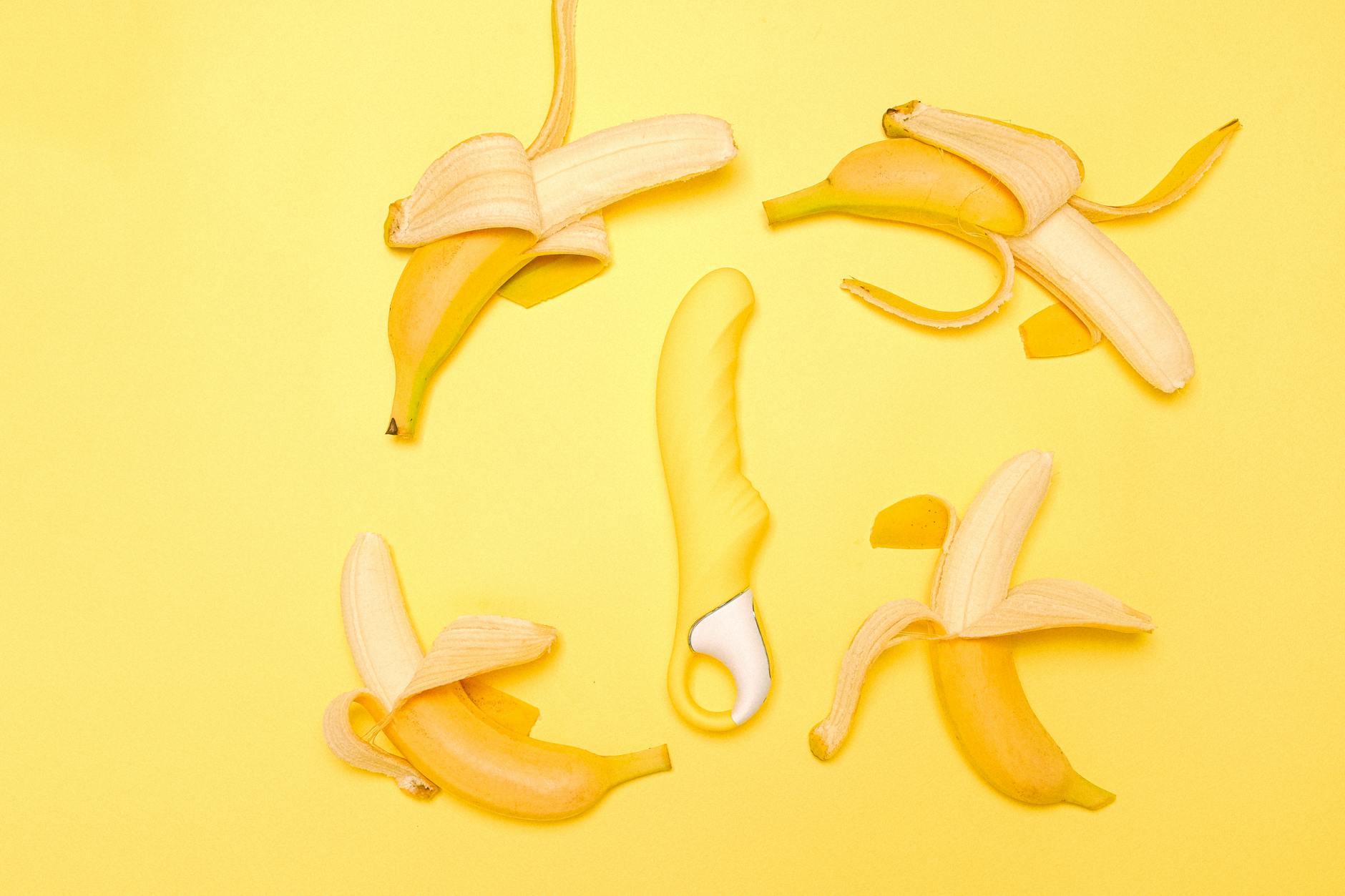
Here's the thing about pleasure after pelvic surgery
Most people assume they need to put sex on pause for months. But actually, many surgeons now say that gentle stimulation during recovery can reduce anxiety, lower inflammation markers, and help you reconnect with your body when you're ready. The catch: not all vibrators are created equal when tissue is healing.
Lemon vibrators, especially air suction clitoral vibrators like the Lem, work differently than traditional vibrating toys. Instead of motors creating direct friction, they use gentle suction and pulsing patterns that stimulate without rubbing sensitive, healing tissue.
Why regular vibrators can feel wrong after surgery
When you have pelvic surgery (hysterectomy, vulvovaginal reconstruction, fibroid removal, or endometriosis excision), the surgical site involves tissue that's been cut, sutured, and is now rebuilding its nerve pathways and collagen structure. For the first 4-6 weeks, direct pressure or repetitive friction can:
- Reopen micro-tears in the incision site
- Trigger inflammation when the body is already healing
- Feel painfully raw, even if the tissue looks fine externally
- Interfere with normal scar tissue formation
Traditional buzzing vibrators create constant, localized pressure. They work by friction. Your clitoris (which has thousands of nerve endings) gets stimulated through repeated contact and vibration intensity. After surgery, that's too much, too fast.
Air suction lemon vibrators work on a completely different mechanism.
How air suction lemon clitoral vibrators differ
Lemon vibrators use gentle suction patterns and pulsing sensations instead of vibration. The stimulation comes from rhythmic pressure changes, not friction. Think of the difference between someone rubbing your arm repeatedly versus someone gently cupping and releasing your arm. Both touch you, but the sensation is entirely different.
With a lemon sucker like Hello Nancy's Lem vibrator, the mechanism:
- Creates gentle suction and release cycles
- Doesn't require direct friction or pressure on healing tissue
- Allows you to control intensity with no motor grinding
- Stimulates the clitoris indirectly through pressure waves
This matters because post-surgical tissue doesn't need friction. It needs gentle activation of the nervous system. Air suction achieves that without the risks.
The timeline: when you can actually use a lemon vibrator
I recommend checking with your surgeon first, but here's the general safety window:
Weeks 1-2: No internal penetration, no external stimulation. Rest the area completely.
Weeks 3-4: You can begin very gentle external stimulation if you have no pain, bleeding, or discharge. Start with hands only, no toys. If that feels fine for a few days, you can introduce air suction toys at their lowest setting.
Weeks 5-6: Most people can explore lemon vibrators more freely. Still avoid intense settings, but gentle suction patterns feel increasingly natural.
Week 7+: You've likely cleared the worst of the acute healing phase. Traditional vibrators might be okay now, but many people find they still prefer air suction toys because the sensation feels less jarring to newly reactivated nerve pathways.
The real timeline depends on your surgery type and your body. Hysterectomy patients often recover faster than vulvovaginal reconstruction patients. Listen to pain signals, not arbitrary timelines.
Why lemon vibrators reduce recovery anxiety
Here's something surgeons don't always mention: sexual anxiety actually slows pelvic healing. When you're worried that your body won't work the same way, stress hormones (cortisol, adrenaline) increase inflammation and slow collagen remodeling. Gentle pleasure does the opposite.
Air suction lemon clitoral vibrators let you:
- Test sensation gradually without fear of hurting yourself
- Rebuild confidence in your body's pleasure capacity early
- Introduce stimulation in a controlled, low-risk way
- Rewire the nervous system's association between your genitals and pleasure instead of pain
Many of my clients report that using a lemon vibrator during recovery actually helped them feel safer returning to partnered sex later, because they'd already proven to themselves that pleasure was possible.
How to use a lemon vibrator safely post-surgery
Start slow. I mean glacially slow.
First session: External contact only. Use the Lem or similar lemon sucker at setting 1 (the lowest pulsing pattern), for 3-5 minutes, over your underwear or a thin cloth. You're not looking for an orgasm. You're checking that nothing hurts.
Sessions 2-4: Same setup, but bare skin if the previous sessions felt fine. Still setting 1. Notice how the sensation changes when there's no fabric barrier. Three to five minutes is plenty.
Sessions 5+: Gradually increase settings only if pleasure is building and pain is absent. Many people find they stay on settings 2-3 indefinitely after surgery. That's completely normal. Your nervous system is rebuilding, and gentle stimulation is enough.
Never force intensity. If something hurts, stop immediately and wait another week before trying again.
Water-based lubricant is your friend
Post-surgical tissue is often drier than usual, especially if you're healing from a procedure that involved hormonal shifts or scar tissue. A good water-based lubricant makes the difference between pleasure and friction.
Apply a small amount to your clitoris before using any lemon vibrator. The lubricant isn't just about comfort. It reduces the risk of micro-abrasions on newly healed skin and lets the suction mechanism work more smoothly without dragging.
Don't use silicone-based lubes if your toy is silicone (which most lemon vibrators are). Stick to water-based options.
When to pause and see your surgeon
If you experience persistent pain, unusual discharge, bleeding, or swelling after using a lemon vibrator during recovery, contact your surgeon. These aren't automatic reasons to stop using toys forever. They're signals that the timing isn't right yet.
Most post-surgical pain with stimulation means you've restarted too early or too intensely. Back off for two weeks and try again with lower settings.
If pain continues even at minimal use, your surgeon might recommend pelvic floor physical therapy, which actually enhances your ability to enjoy air suction toys later by rebuilding pelvic muscle tone and nerve sensitivity.
The longer view: pleasure after healing
Many people find that once they're fully healed (usually 8-12 weeks post-op), lemon vibrators remain their preferred choice even though traditional vibrators are now medically safe. The sensation is gentler, the control is finer, and the orgasms often feel different—less intense but more diffuse, sometimes more satisfying.
Your post-surgical nervous system is rewired. That rewiring often includes a preference for the stimulation mechanism that helped you recover. Lemon clitoral vibrators aren't just a recovery tool. They can become a permanent part of your pleasure toolkit.
FAQ: Lemon vibrators and post-surgical recovery
Can you use any air suction vibrator after pelvic surgery, or does it have to be a lemon vibrator specifically?
Any quality air suction toy works, but lemon vibrators like the Lem are specifically designed with wider mouths and gentler suction patterns, which makes them easier to control and less likely to create painful pressure points. The key feature is the suction mechanism, not the brand. That said, Hello Nancy's Lem vibrator is engineered for comfort and control, which matters when you're healing.
How long after surgery should you wait before trying any vibrator at all?
Most surgeons recommend waiting until you're fully cleared for vaginal penetration, which is typically 4-6 weeks for external-only procedures and 6-8 weeks for procedures involving internal work. That said, check with your surgeon. Some recommend waiting longer if complications arose during surgery.
Can using a lemon vibrator during recovery actually speed up healing?
Gentle stimulation doesn't speed healing directly, but it can reduce recovery anxiety and lower stress hormones, which indirectly supports the body's natural healing process. The real benefit is psychological. You regain confidence in your body's capacity for pleasure, which reduces the secondary anxiety that often lingers after surgery.
What if you have scar tissue or adhesions? Can you still use lemon vibrators?
If your scar tissue is causing pain during stimulation, that's a signal to stop and consult your surgeon or a pelvic floor physical therapist. Scar tissue that's causing problems often benefits from PT before you reintroduce toys. Once you've worked with a therapist, air suction toys are often gentler on adhesive tissue than friction-based vibrators.
Is it safe to use a lemon vibrator during your first week home from surgery?
No. The first two weeks are about rest and letting the incision stabilize. Starting any stimulation, even gentle suction, risks reopening the surgical site. Wait until you've had your follow-up appointment (usually 1-2 weeks post-op) and gotten explicit clearance.
Can your partner use a lemon vibrator on you during recovery?
Yes, but communication is essential. Partner-applied stimulation during recovery can feel more vulnerable because you're relying on someone else to read your pain signals. Set clear boundaries: start at the lowest setting, keep sessions to 3-5 minutes, and use words like "pause" and "stop" rather than relying on nonverbal cues. Many couples find that the caregiving aspect of this (one partner gently reintroducing pleasure) actually deepens emotional intimacy during a vulnerable time.
Moving forward
After pelvic surgery, your body isn't broken. It's rebuilding. Lemon vibrators and other air suction toys respect that process in a way traditional vibrators often don't. They're gentle enough for early recovery, specific enough for fine-tuned control, and often pleasurable enough that you'll keep using them long after you're medically cleared to move on.
Start slowly, listen to your body, and know that pleasure during recovery isn't selfish. It's part of healing. If you have questions about your specific situation, reach out to your surgeon or a pelvic floor physical therapist. That's what they're there for.