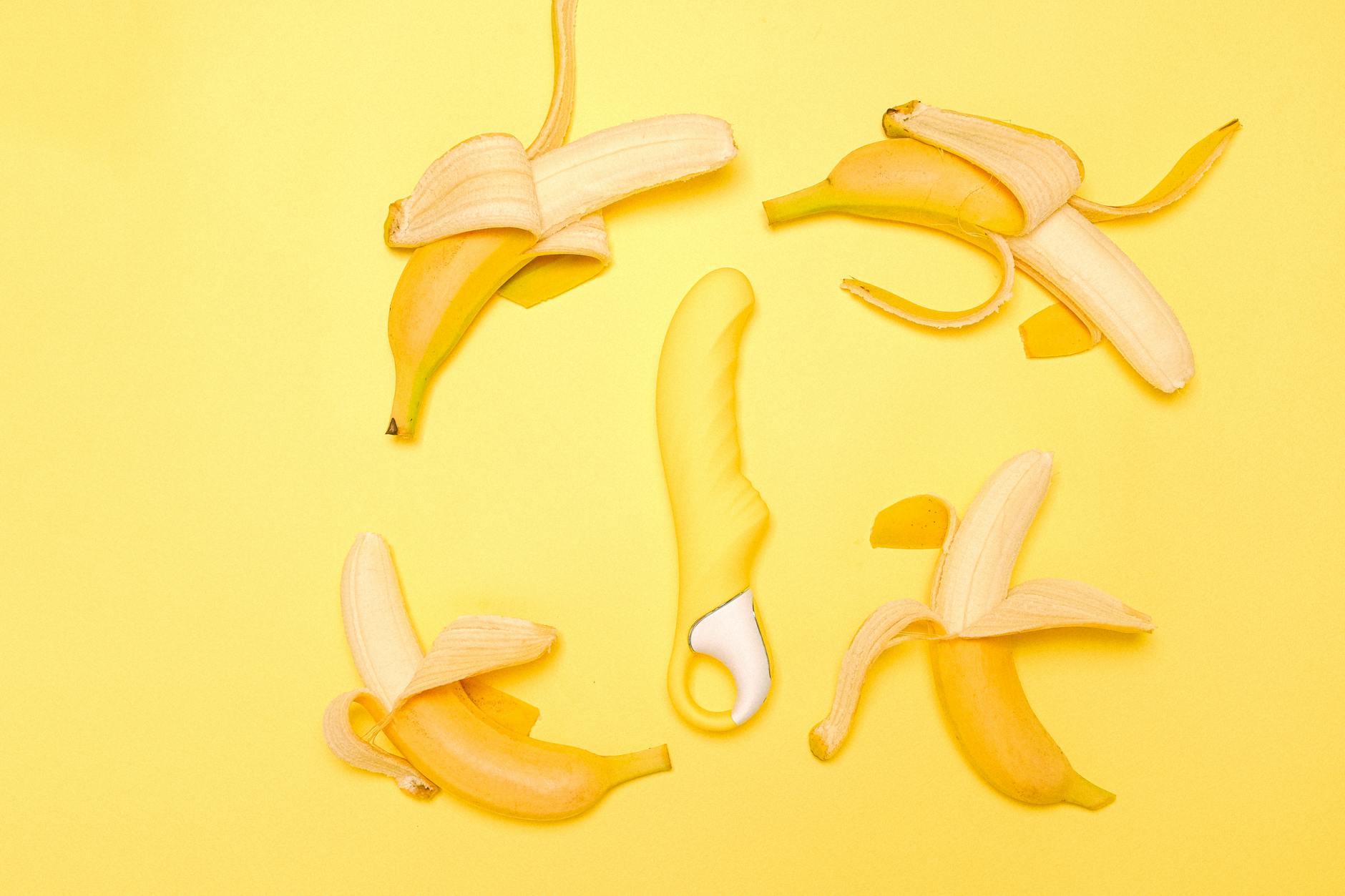
Here's what nobody talks about
Two people can pick up the same lemon vibrator, use the same setting, and have completely different experiences. One person feels intense waves of pleasure. Another barely feels a tingle. A third finds the sensation too much, too fast. It's not that one of them is broken or doing it wrong. It's that pleasure isn't one-size-fits-all, and neither are lemon clitoral vibrators.
When I work with couples and individuals on rebuilding intimate connection, the thing that comes up constantly is confusion about why a toy that transformed someone's friend's sex life feels mediocre (or overwhelming) for them. The answer isn't usually "you need a different toy." It's usually "your body is operating under different physical conditions than you think."
Let me break down what actually changes the way a lemon vibrator feels.
The suction science that most people skip over
Here's the thing that separates lemon vibrators from basically every other toy on the market: suction. Instead of vibrating against tissue directly, a lemon uses gentle suction to stimulate the clitoris and the whole vulva. This matters because the way your body responds to suction depends on a bunch of physical variables.
Tissue thickness varies wildly. If you have thicker clitoral tissue, the suction might feel subtle, like a soft draw. If you have thinner tissue (which is common after menopause or due to hormonal fluctuations), the same pattern on the same lemon vibrator can feel intense, almost overwhelming. Neither is wrong. It's just anatomy.
Blood flow to the area changes constantly too. When you're aroused, blood vessels dilate and tissue swells. The clitoris becomes more engorged and sensitive. This means that even five minutes into a solo session, your tissue is responding differently than it was at the start. A pattern that felt gentle at minute two might feel much stronger at minute seven, not because you've changed the setting, but because your body has changed internally.
Histamine response is real and underrated. When you're turned on, histamine floods the tissue. For some people, this makes sensation feel sharper and more defined. For others, it can tip over into numbness if you're using a toy at high intensity. If you've ever felt a buzzing toy intensely one day and barely noticed it the next, histamine is probably part of that story.
How your arousal pattern reshapes everything
There are roughly three categories of arousal buildup, and they completely change how a lemon vibrator lands.
The fast riser. Some people's bodies jump into gear in minutes. If this is you, lower settings on a lemon often feel perfect because they match the gradual intensity your body is already building. Jumping to setting five immediately might actually feel jarring.
The slow burner. Other people need 15 to 30 minutes to build meaningful arousal. For this group, a lemon's gentler initial patterns can feel disappointing early on, but by the time full arousal hits, those same patterns feel exquisite. The issue isn't the toy. It's that patience and longer foreplay matter more than intensity level.
The variable responder. Some days you're a fast riser. Other days you're a slow burner. Hormonal changes, stress, time of the menstrual cycle (if you cycle), medication side effects. All of these shift your arousal baseline.
The people who love their lemon vibrator most are usually the ones who figured out which category they're in and stopped judging themselves for not matching someone else's experience.
Medications and hormones reshape sensation in ways nobody warns you about
This is where the real friction lives. Your friend might have told you her lemon vibrator changed her life. What she probably didn't tell you is that she's not on hormonal birth control, or that she stopped her antidepressants last month, or that she's past menopause, or that she's breastfeeding and her hormones are completely different from baseline.
Birth control flattens arousal for some people and enhances it for others. The same lemon vibrator might feel amazing for someone not on hormones and feel weirdly numb for someone on the pill, even though the toy is identical.
Antidepressants (especially SSRIs) are well-known for muting sensation. A lemon vibrator still works for people taking them, but the intensity threshold is usually higher. That doesn't mean you need a different toy or that something's wrong with you. It means the neural pathways for pleasure are quieter, and you might need to spend more time warming up or experiment with different patterns.
Hormonal changes during the menstrual cycle are massive. During ovulation, when estrogen and testosterone peak, the same clitoral vibrator might feel more sensitive and responsive. During the luteal phase, the same toy might feel more muted. You're not imagining it. Your tissue is literally responding differently.
Menopause drops estrogen, which thins tissue and changes blood flow. A lemon vibrator that felt great at 35 might need different pressure or longer warm-up at 55. Again, not a failure of the toy or your body. Just different conditions.
The sensitivity spectrum is huge
Genetic variation in nerve density is real. Some people are born with denser nerve endings in their clitoral region. Others have fewer. Neither is better, but they mean different toys land differently.
Repeat use also matters. Your body adapts to stimulation over time, which is why a setting that felt incredible the first time can feel boring after months of regular use. This is normal adaptation, not desensitization or dysfunction.
Threshold for intensity varies too. Some people can handle (and love) sustained high-intensity stimulation. Others feel overstimulated after a few minutes at pattern three. Some people want the suction to build gradually. Others want it to ramp up fast. These aren't preferences. They're neurological realities.
What this actually means for how you use your lemon vibrator
Start lower than you think you need. If you're new to suction toys or new to pleasure exploration generally, begin at pattern one or two and actually spend time there. Your body will tell you what it wants next.
Warm up longer than you do with other toys. Because suction works differently than direct vibration, arousal buildup can feel subtly different. Give yourself 10 to 15 minutes before you decide a setting isn't working.
Pay attention to patterns, not just intensity. Different pattern types (pulse, wave, escalation) feel wildly different to different bodies. You might hate pattern two and love pattern four, even at the same speed. The toy isn't failing you. You're learning what your body actually responds to.
Track the variables if something feels off. When you notice a setting that felt great last week feels mediocre now, run through the checklist: Are you cycling? Did you start or change medication? How much sleep did you get? Are you stressed? Are you actually aroused or just trying to get to the finish line? That information is way more valuable than any toy review.
Don't compare your experience to someone else's. When a friend raves about her lemon vibrator, believe her. And believe that it might feel completely different for you. That's not a flaw in the design or in you. That's just how bodies work.
The partnership angle that changes everything
If you're using a lemon vibrator with a partner, the sensation differences become even more interesting. Your partner's presence, attention level, and touch literally change how your body responds to the toy itself. You might find that a setting that feels perfect during solo play feels too intense when someone you care about is watching or touching you at the same time.
This is often where the confusion happens. Couples assume they're using the toy wrong, when really they're just discovering that partnered pleasure has a different arousal signature than solo pleasure. The lemon vibrator didn't change. The context did, and context matters.
Why this matters for your relationship with your own pleasure
Once you understand that sensation isn't fixed, you stop expecting it to be. Your pleasure doesn't need to look like your friend's or your partner's or what you think it "should" look like. It just needs to feel good to you, in your body, on this particular day, under these particular conditions.
That's the whole point of having a lemon vibrator. It's a tool for learning what actually turns you on, not for matching someone else's experience.
FAQ: Why does my lemon vibrator feel different to me?
Can the same lemon vibrator feel different day to day?
Completely. Your cycle (if you have one), sleep, stress levels, medications, arousal time, and even what you ate that day all influence sensation. A setting that felt perfect Monday might feel different Thursday, and that's totally normal.
Is my lemon vibrator broken if it feels less intense than my friend's?
Probably not. You might have different arousal patterns, tissue sensitivity, or baseline conditions (hormones, medication, stress). Before assuming the toy is the problem, experiment with longer warm-up, different patterns, and different settings. If it genuinely never feels pleasant, you can explore other options. But "less intense than someone else's" isn't a sign of a defect.
Why does my lemon clitoral vibrator feel numb sometimes?
Histamine response, arousal plateau, overstimulation, or medication side effects can all cause this. If you're at a high intensity, try dropping down a pattern or two and building back up more slowly. If it's persistent across sessions, check your medications and stress levels. Sometimes numbness is your body's way of saying you need a break.
Do lemon vibrators work differently depending on your anatomy?
Yes. Clitoral size, tissue thickness, nerve density, and hood coverage all affect how suction stimulation feels. Suction is gentler than direct vibration, which means it often works better for people with very sensitive tissue or for those who find standard vibrators overwhelming. But that doesn't mean it works the same way for everyone.
Should I use the highest setting on my lemon vibrator right away?
No. Most people discover their sweet spot somewhere in the middle range of patterns or settings. Starting high can create overstimulation, which can paradoxically make sensation feel numb or uncomfortable. Build gradually and listen to your body's feedback.
Why does my lemon vibrator feel better with a partner than alone?
Partnership creates a different arousal context. Attention, touch, emotional connection, and the presence of someone you desire all change your physical response. The toy isn't changing, but your nervous system is. Both experiences are valid. They're just different.
Your pleasure isn't a fixed thing. It's a moving target shaped by your body, your mind, your circumstances, and a thousand small variables you can't always predict. Understanding why a lemon vibrator (or any toy) feels different at different times isn't about troubleshooting failure. It's about getting curious about yourself. That curiosity is where real pleasure lives.
If you're working through a shift in your own sensation or trying to reconnect with a partner after change, I'm here. Get in touch.