Let's start with the real part
Trauma doesn't always scream. Sometimes it whispers as numbness. You're present in your body but not really inhabiting it. Touch happens, but the signal doesn't arrive. A lemon vibrator isn't therapy, but it can be a tool for translating sensation into something your nervous system recognizes as safe again.
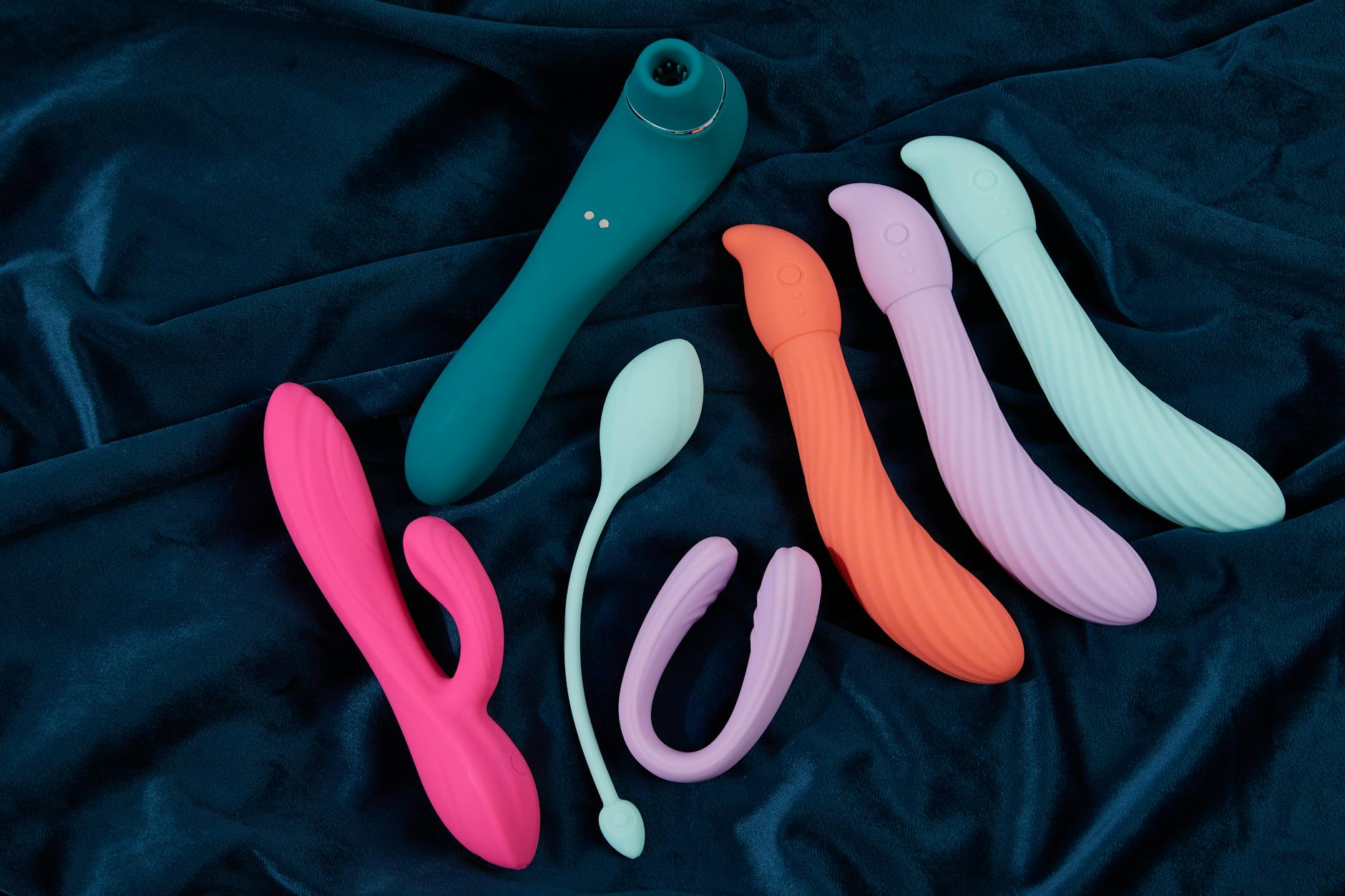
The key word is "safe." Most vibrators demand surrender. They buzz with intensity, they require commitment, they feel presumptuous. A lemon clitoral vibrator works differently. The air suction mechanism builds slowly. You control the intensity. You can pause without guilt. That architecture matters enormously when your body has learned not to trust stimulation.
How dissociation and sensation disconnect
After trauma, the nervous system gets stuck in protection mode. Your brain literally dampens the volume on incoming sensation as a survival mechanism. You might feel touch but not feel touched. You might see arousal happening on a screen somewhere but not experience it in your body. This isn't broken. It's exactly how the system is supposed to work when danger has been present.
The challenge is that disconnection becomes habitual. Even when safety returns, the nervous system keeps humming at that distance. Pleasure gets filed under "unsafe." Arousal becomes something that happens to you rather than something you inhabit.
A lemon vibrator's air suction technology changes this equation. Unlike traditional vibrators that rely on high-frequency oscillation, suction works through gentle, rhythmic pressure. It mimics human touch more closely and requires less neurological intensity to register. For people whose systems have learned not to trust sharp stimulation, this feels different.
Why grounding matters before you even touch the toy
Here's what I tell clients before we talk about any tool: use your senses first.
Take five minutes. Before you touch a vibrator of any kind, do a sensate focus check. What do you see in the room? Pick three specific things. What do you hear? What temperature is the air against your skin? What's one thing you can taste? This isn't meditation fluff. You're anchoring your nervous system in present-moment awareness before you ask it to trust pleasure.
This step matters so much that I'd rather you skip the toy entirely than skip this grounding. Your brain needs permission to come home to your body before anything else works.
Starting slowly with lemon vibrators
Slow is your actual instruction manual.
Before turning it on, hold the lemon vibrator. Feel the weight of it. Run your finger over the surface. Some people hold it for a full minute just making contact. That's perfect. You're telling your nervous system "this is not a threat. This arrived with my permission."
Start with the lowest pattern setting. Hello Nancy's lemon clitoral vibrator has gentle initial patterns specifically designed for this. Many people start at level 1 and stay there for weeks. There's no prize for reaching level 5. The goal is sensation, not achievement.
Apply the suction cup directly to the clitoral area, or hover it nearby first if direct contact feels like too much. The beauty of air suction is that partial contact still registers. You don't have to commit to full intensity.
What grounding looks like in practice
Three techniques that work alongside lemon vibrator use.
1. The 5-4-3-2-1 anchor. While using the toy, notice five things you see, four you can touch (the toy, the blanket, your leg), three you hear, two you smell, one you taste. This keeps your brain from slipping back into dissociation while pleasure is building.
2. Bilateral movement. Alternate tapping your feet or fingers on a surface while using the vibrator. Left, right, left, right. This simple rhythm helps your nervous system stay present by engaging both brain hemispheres.
3. Breathwork integration. Don't hold your breath (the default trauma response). Breathe out longer than you breathe in. Exhale for four, inhale for three. It signals to your nervous system that you're safe.
Combine any one of these with the lemon vibrator and you've got a complete sensate practice, not just toy use.
When sensation returns (and why it might feel complicated)
Here's what I want to warn you about: when your body starts waking up to pleasure again, the experience can actually feel disorienting at first.
People often report that the first real orgasm after traumatic disconnection feels strange. Relief and grief come together. Your body might shake in ways that look like arousal but feel like releasing something else entirely. This is normal. This is your nervous system learning that this specific pleasure is survivable.
You might also find that sensitivity comes back unevenly. One day the lemon vibrator feels perfect. The next day it feels like too much. Your nervous system is still learning where the volume dial is. This isn't failure. This is recalibration. Some days you'll use pattern 1 for the whole session. Other days you'll build to level 3. Both are right.
The partner conversation if you're working with someone
If you're rebuilding connection with a partner, they need to understand something clearly: this tool is not foreplay. It's not a shortcut to sex. It's a sensory practice. Frame it that way.
You might say: "I'm learning to reconnect with sensation. Sometimes I'll use this alone. Sometimes I might want you nearby. Sometimes I might want privacy. I'm not rejecting you. I'm rebuilding trust with my own body first."
The best partners understand that watching you pleasure yourself safely can be its own intimacy, but that's a conversation for later. Right now, the lemon vibrator is between you and your nervous system.
When to pause and check in
If you feel:
- Emotional flooding (sudden unexplained tears or panic)
- Physical pain beyond normal sensation
- A sense of leaving your body rather than arriving in it
- Shame arising where there wasn't shame before
Stop. You're not broken. Your nervous system is communicating a boundary. This is the system working exactly as it should. Some trauma survivors need to do this work with a somatic therapist present. There's no timeline or shame in that. Consider reaching out to a trauma-informed sex therapist or counselor who can guide the process. You're not less capable because you need support. You're using available resources intelligently.
Building a sustainable practice
Think of this as a skill, not an event.
Start with 10 minutes once or twice a week. The goal isn't to orgasm. The goal is to feel your body respond and to notice that response without judgment. Over time, as your nervous system learns that pleasure is survivable, sessions will naturally expand. Some weeks you'll want more. Other weeks you'll want to rest. That variation is the healthy rhythm.
A lemon clitoral vibrator works so well in trauma recovery because it doesn't demand intensity. It offers it, but doesn't require it. You're in control of the pace, the duration, the depth of sensation. That control is often the first thing trauma takes. Getting to choose again is how you take it back.
People also ask
Can I use a lemon vibrator if I have PTSD-related numbness?
Yes, but approach it as a sensate practice rather than a pleasure tool at first. Start with the lowest settings and combine it with grounding techniques. The goal in early stages is to notice any sensation at all, not to reach orgasm. Many trauma survivors find that consistent, low-pressure stimulation helps retrain their nervous system to register pleasure again. If dissociation increases during use, pause and consult a trauma-informed therapist.
How long does it take to feel reconnected after trauma?
This varies widely and depends on the nature of the trauma, your support system, and your own nervous system's pace. Some people notice shifts in 4-6 weeks. Others need months or years. The lemon vibrator is one tool in a much larger healing process that ideally includes therapy, somatic work, and sometimes medication. Don't expect the toy to do the work alone. It's a companion to the real work, not a substitute.
Is it normal to cry or feel emotional when using a vibrator after trauma?
Completely normal. Your nervous system is releasing held tension. Sensation is being restored to areas that were numbed. Sometimes that's just pleasure. Sometimes it's grief, relief, anger, or all of them at once. Cry if you need to. That's your body communicating. You might even want to have tissues nearby and treat emotion as part of the practice, not as a sign something is wrong.
Can I use a lemon vibrator if touch still feels triggering?
Start with grounding first. Use the toy on low settings without direct genital contact initially, or work with it fully clothed just to acclimate to the sensation. Some trauma survivors find that air suction feels less invasive than direct vibration. The slower build might feel safer. If any touch remains triggering, work with a somatic therapist before introducing the toy. Therapy first, tools second.
Should I tell my partner I'm using a lemon vibrator for healing?
That's your call. If you live together and they might notice, transparency is usually easier than hiding. You might frame it as: "I'm working on reconnecting with my body after what happened. This is part of my process." If your partner responds with shame or pressure, that's worth noticing. A partner who loves you will respect your healing. If disclosure feels unsafe, trust that instinct and seek privacy.
What if the lemon vibrator reminds me of the trauma?
Stop using it. Your nervous system is telling you it's not the right tool right now. Try a different approach. Some trauma survivors do better with external pressure (a massage wand) or internal sensation (a curved vibrator). Others need months of therapy before any toy feels safe. There's no single right path. Listen to your body. If it says no, honor that no. The tool should support healing, not recreate harm.
The bottom line
Reconnecting with pleasure after trauma isn't linear. Some days you'll feel present in your body. Other days you'll feel distant again. Both are normal. A lemon vibrator offers something specific: gentle, controllable sensation that doesn't demand surrender. You choose the pace. You choose when to stop. You choose what happens next.
The real work happens between sessions. In the moment you notice yourself feeling present instead of floating. In the conversation where you set a boundary with your partner. In the choice to keep breathing when your system wants to brace. The vibrator is a tool for that work, nothing more and nothing less.
Your body deserves to feel good again. Not on anyone else's timeline. On yours.