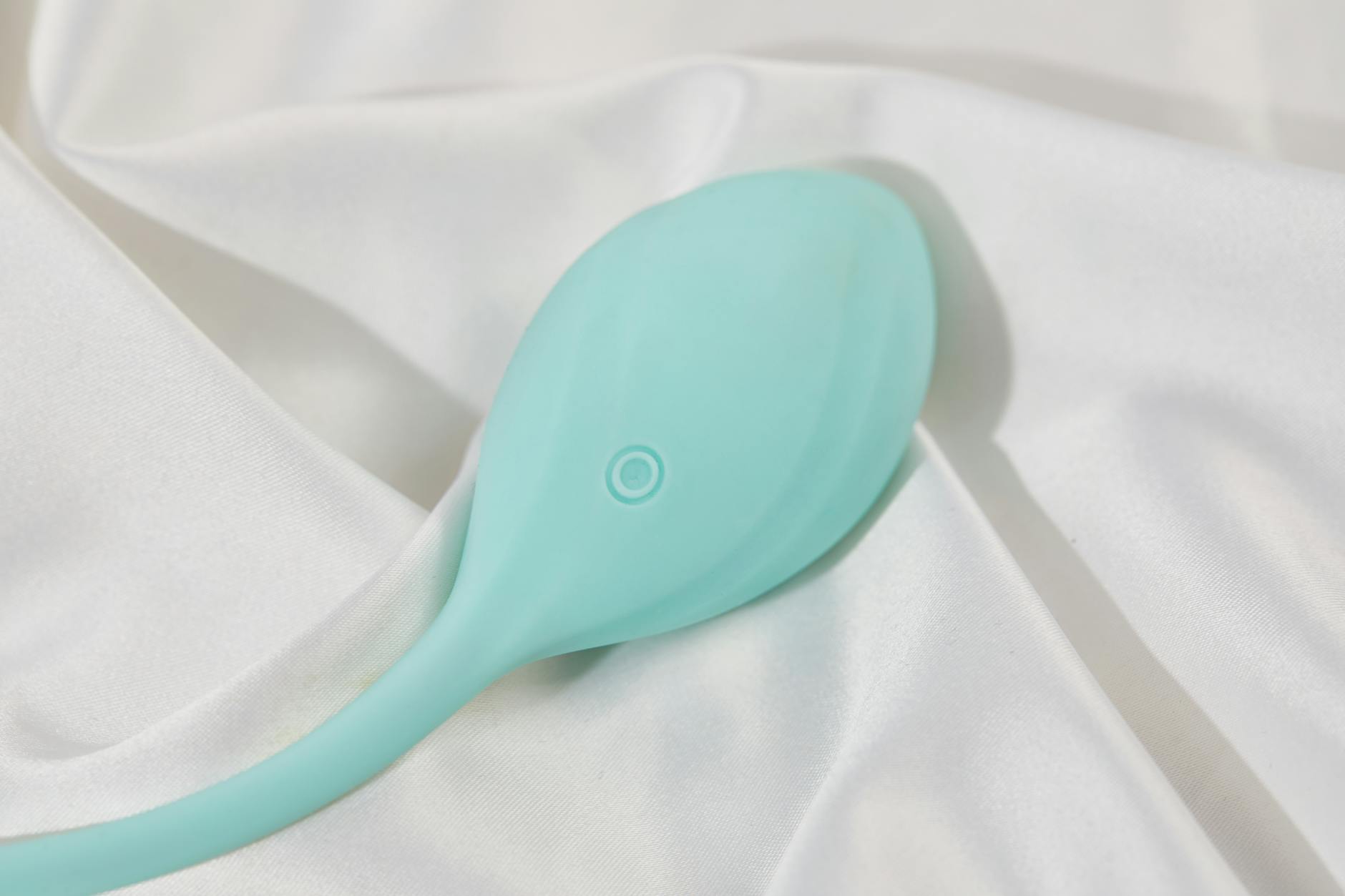
Here's what you're actually feeling (or not)
You've been using a lemon vibrator for a while. It worked beautifully. Then suddenly, the same toy on the same setting feels like almost nothing. You turn up the intensity. Still nothing. You wonder if the toy is broken or if something's wrong with you. Most likely, neither. Your hormones shifted.
Estrogen and progesterone don't just control your cycle. They fundamentally change how your clitoris works. When hormone levels drop or spike, blood flow to genital tissue decreases, nerve endings become less reactive, and the tissue itself gets thinner. The Lem vibrator you loved suddenly feels distant. This is physiological, not psychological, and it's wildly common.
What hormones actually do to clitoral sensation
Your clitoris is densely packed with nerve endings. Estrogen keeps those tissues plump, well-hydrated, and rich with blood. It also affects dopamine and norepinephrine, the neurotransmitters that fire when you're aroused. When estrogen dips, all of this changes at once.
Progesterone plays a different role. Rising progesterone can make you feel less responsive to stimulation because it dampens arousal signals in the brain. You might feel physically present but mentally distant from sensation. Many people notice this in the luteal phase of their cycle, right before their period.
Thyroid hormones matter too. An underactive thyroid often tanks sexual sensation. Insulin resistance can dull nerve sensitivity across your whole body. Cortisol (stress hormone) kills arousal by keeping you in fight-or-flight mode. None of this is obvious until you start connecting the dots.
The result: that lemon clitoral vibrator, the one you've relied on, starts feeling like it's vibrating someone else's body.
Why air suction vibrators feel different when sensation numbs
This is where lemon vibrators have a real advantage over traditional toys. Air suction (the technology in toys like the Lem) doesn't rely on direct friction or pressure. It creates a gentle pulse that stimulates nerve endings through a different mechanism than a standard vibrator. Here's why that matters when sensation dulls.
When clitoral tissue gets thinner and less responsive, traditional vibration can feel overwhelming at low settings or utterly absent at medium ones. You're basically waiting for your tissue to vibrate harder. Air suction, by contrast, works by creating micro-pulses of pressure and release. It's less about friction and more about stimulating the nerve clusters without requiring high-intensity input.
Many people find that lemon vibrators keep sensation intact longer during hormonal shifts. The Lem in particular doesn't feel like you're chasing sensation. It feels like sensation is meeting you halfway.
The timing matters: when your cycle matters most
If you menstruate, your clitoral sensitivity changes predictably across your cycle. In the follicular phase (right after your period ends), estrogen is climbing. Your clitoris should feel most responsive here. This is not a coincidence. Many people report their best orgasms in days 7 to 12 of their cycle.
In the luteal phase (after ovulation), progesterone rises. Sensitivity drops. You might need more stimulation or longer warm-up. Your lemon vibrator might feel fine, but you'll need it longer to reach the same point. This is normal.
Most people don't track this. They just notice one week they feel wildly responsive and another week they feel numb, and they blame themselves or the toy. Knowing your cycle is the first step to not panicking when sensation shifts.
Hormonal shifts beyond the menstrual cycle
Birth control changes things dramatically. Hormonal contraceptives suppress the natural rise and fall of estrogen and progesterone. Some people feel less sensation on the pill. Some feel more (fewer luteal dips). Non-hormonal IUDs? Different story. Copper IUDs can actually intensify sensation for some people.
Stopping hormonal birth control is a whole recalibration. Your natural cycle comes back, which means sensation fluctuations return. That first month off the pill, your clitoris might feel wildly more responsive than it did on hormones. Then, boom. Luteal phase hits and you're confused again.
Perimenopause (the 5-15 years before your final period) brings erratic hormone swings. Estrogen can spike or tank unpredictably. One week your lemon vibrator feels perfect. The next week you can barely feel it. This is especially frustrating because perimenopause is also when people often rediscover their sexuality. You get access to sensation, then it vanishes.
Postmenopause, estrogen stabilizes at a lower baseline. Many people find their clitoral sensitivity settles into a new normal. The Lem often becomes essential at this stage because the technology doesn't punish thinner tissue the way friction-based toys can.
Medical conditions that mimic hormone-related numbness
Not all clitoral numbness is hormonal. Diabetes and prediabetes dull nerve sensation across your whole body. Depression and anxiety reduce dopamine, which directly impacts arousal. Antidepressants, especially SSRIs, are notorious for reducing sexual sensation. Some blood pressure medications do the same.
A thyroid disorder can tank sensation overnight. Pelvic neuropathy (nerve damage) creates the exact symptom you're describing. Vascular issues reduce blood flow to your genitals. None of this is rare. Any of these could be playing a role alongside hormones.
This is why it's worth talking to a doctor if numbness persists for more than a few weeks or comes with other symptoms. A simple blood test can rule out thyroid issues, insulin resistance, or vitamin deficiencies. That information changes everything.
Three concrete strategies to rebuild sensation
Strategy 1: Extend your warm-up. Sensation doesn't show up on a schedule anymore. Give yourself 20-30 minutes of foreplay, mental arousal, or fantasy. Arousal is what brings blood to your clitoris. Without adequate blood flow, even the best lemon vibrator feels muted. This isn't about working harder. It's about meeting your body where it actually is.
Strategy 2: Layer stimulation. Don't rely on the Lem alone. Add internal stimulation, touch on other parts of your body, or mental focus. Your brain is a sex organ. When hormones dull direct sensation, activating your brain helps. This is why phone sex, sexting, or watching something arousing often helps sensation snap back into focus.
Strategy 3: Adjust your expectations about intensity. If you've always orgasmed in two minutes on a high setting, hormonal changes might mean you need six minutes on a lower setting, or a combination of the Lem with a partner's touch. This isn't a failure. It's information. Your pleasure hasn't disappeared. The path to it has shifted.
When to talk to someone
If numbness appeared suddenly and doesn't match your cycle or recent changes, see a doctor. If numbness comes with pain, dryness that won't improve with lubricant, or loss of arousal alongside the sensation loss, that's worth professional attention. Genitourinary syndrome of menopause (GSM) is real and treatable. Thyroid issues are fixable. Medication side effects can often be addressed.
If you're in a relationship, the conversation with your partner matters too. This isn't about blaming your body or apologizing for changes. It's about saying, "My body is responding differently right now. Here's what I need." Most partners want this clarity.
People also ask
Why does a lemon vibrator still work when I can barely feel regular vibrators?
Air suction technology stimulates nerves through gentle pulsing rather than direct friction. When clitoral tissue becomes less responsive due to hormonal changes, this method often maintains effectiveness better than traditional vibration, which relies on intensity or pressure. The Lem, for example, works by creating sensation that doesn't require maximum power to register.
Can hormonal birth control permanently reduce clitoral sensitivity?
No. Hormonal birth control can reduce clitoral sensitivity while you're taking it, but sensitivity typically returns within weeks to months after stopping. The effect is reversible. Different formulations affect sensation differently, so if one type dampens pleasure, another might not.
How long does it take for sensation to come back after hormonal changes?
It depends on the change. If you're cycling naturally, sensation shifts week to week. If you've stopped birth control, expect 4 to 8 weeks as your body reestablishes its natural hormone pattern. Perimenopause can cause months of fluctuation. Postmenopause sensation eventually stabilizes, though often at a lower baseline that many people find equally satisfying with the right tools.
Should I stop using my lemon vibrator if I can't feel it during hormone shifts?
Not necessarily. Some people find that using a lemon clitoral vibrator consistently, even when sensation feels numb, helps maintain nerve responsiveness. It's like exercise for your clitoris. Others prefer to take breaks. There's no universally right answer. Pay attention to what actually helps you feel more present and responsive.
Does lube help when hormone changes make sensation feel numb?
Lubricant addresses dryness, not numbness directly. However, when hormones drop, many people produce less natural lubrication, which can make tissue irritation worse and further dull sensation. Good-quality water-based lube (essential for use with silicone toys like the Lem) reduces friction and discomfort, which sometimes restores the pleasure signal your brain was missing.
What's the difference between numbness and reduced arousal from hormones?
Numbness is a physical sensation (or lack of it) in your clitoris. Reduced arousal is a mental or emotional state where you're less interested in sex. You can experience both at once, or one without the other. Hormones affect both, but through different mechanisms. A therapist or doctor can help you distinguish what's happening and address it accordingly.
The bottom line
Hormones change how your clitoris works. That's not your fault, and it's not permanent. Using a lemon vibrator built on air suction technology like the Lem often helps because it doesn't punish tissue that's become less responsive. But the real fix is understanding what's happening in your body, adjusting your expectations, and giving yourself permission to explore sensation differently.
If you want to dig deeper into how your body responds across different hormonal states, or if sensation loss is affecting your relationship, that's what we're here for. Reach out at /contact and let's talk about what's actually going on.