Let's talk about reduced sensation
You unboxed your new lemon clitoral vibrator, turned it on, and felt... less than expected. Maybe it's barely registering. Maybe the sensation is there but muted, like you're experiencing it through a layer of cotton. Maybe your partner swears it's working fine and suddenly you're second-guessing your entire body.
Here's the thing: your lemon vibrator is not broken. Your body isn't broken either. What's happening is almost always one of five fixable issues.
Desensitization from previous vibrator use
This is the number one culprit I see, and it's not a character flaw. If you've spent months or years using a traditional high-powered vibrator, your nerve endings have adapted to that intensity level. It's the same physiological adaptation that happens when you drink strong coffee every morning and regular coffee tastes weak.
The lemon clitoral vibrator works differently than standard vibrators. Instead of intense, direct oscillation, it uses gentle suction and pulsing. The sensation is concentrated, precise, and honestly more nuanced. But if your baseline is a device that feels like a jackhammer, the lem vibrator will feel understated by comparison.
The fix: a sensory reset period. Step back from vibrators entirely for two to four weeks. This sounds extreme, but it genuinely works. Give your nerve endings time to recalibrate. When you return to your lemon vibrator, the sensation will feel dramatically different. Many of my clients report that this one pause completely transformed their experience.
Inconsistent pressure or angle
Precision tools require precision technique. The lemon sucker design is incredibly responsive to placement and angle. If you're moving it around, holding it at a slight angle, or not maintaining steady contact, you're essentially using it at half its potential.
Unlike a traditional vibrator that works almost anywhere you point it, the lem vibrator asks you to find your exact point of pleasure and stay there. This is actually why many people report more intense orgasms with it. But if you haven't found that sweet spot yet, it can feel disappointingly subtle.
The fix: start with a full minute of stillness. Apply the lemon vibrator to your clitoral area, turn it on at setting 1, and don't move. Let yourself feel exactly what's happening. Notice where the sensation peaks. Once you've mapped that geography, you can move intentionally. This slower approach feels tedious at first and then becomes the whole point.
Numbing from over-stimulation or friction
If you've been using your lemon vibrator for extended periods, or if you've been pressing it too firmly, you might be experiencing temporary numbing. The tissue is sensitive, and sustained pressure can dull sensation rather than heighten it.
This is especially common if you're used to the rapid "on-off-on" rhythm of traditional vibrators and you're now trying to maintain constant contact with a suction device. Your body is receiving unbroken stimulation, which is different, and it can hit a wall of diminishing returns.
The fix: take breaks. Fifteen minutes is genuinely enough time. Stop, let the sensation reset, then resume. You'll be astonished at how much sensitivity returns in those two or three minutes of pause. Also reduce pressure. You don't need to hold your lemon vibrator against your body. Let it sit there, supported by your hand or a pillow underneath, and apply only the weight of the device itself.

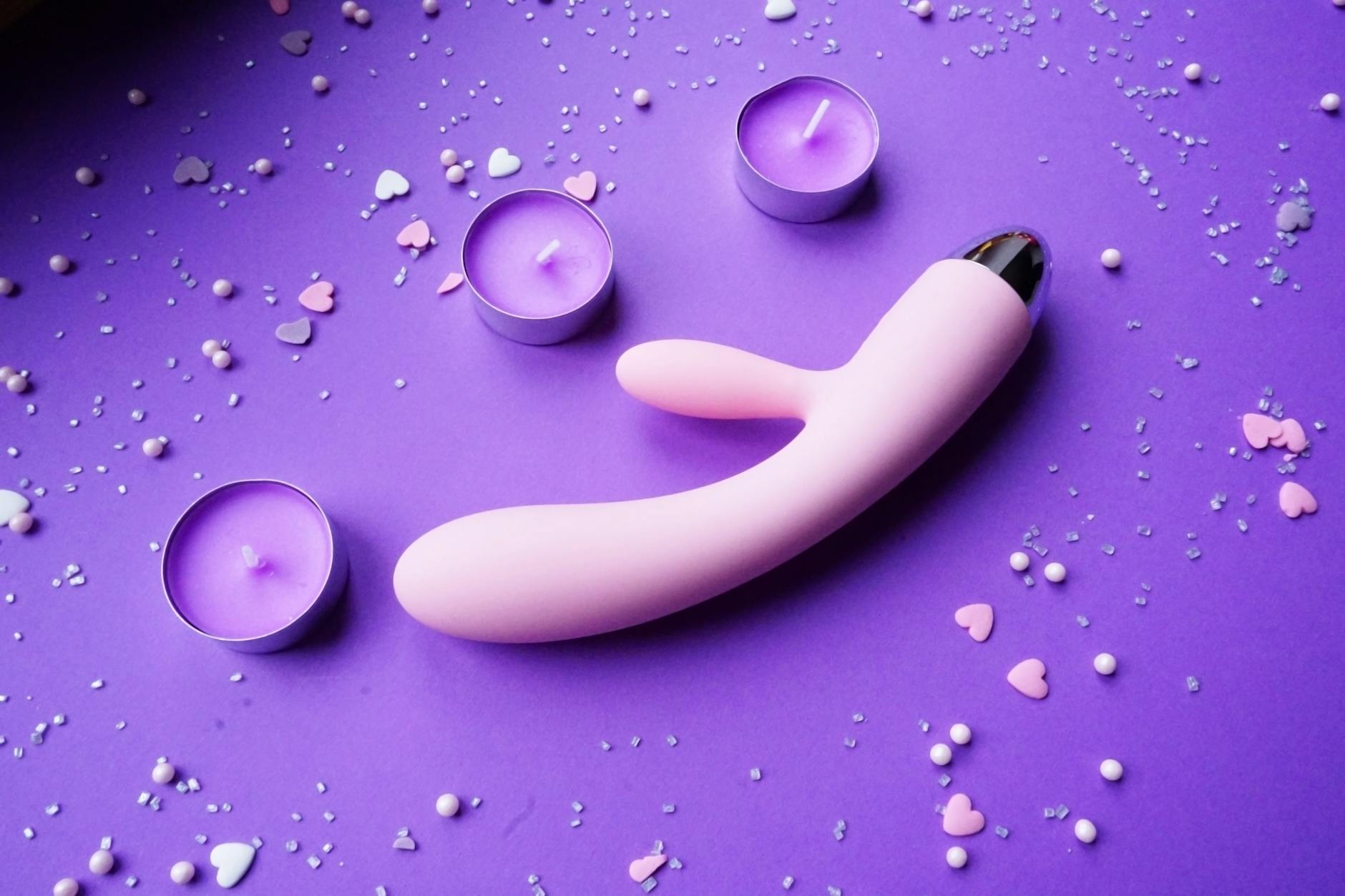
Photo by Anna Shvets on Pexels
Stress, distraction, or emotional disconnection
This is the hardest one to diagnose because it doesn't feel physical. But nervous system arousal is half the equation. If you're stressed, distracted, worried about performance, or emotionally disconnected from your body, even the most sophisticated lemon clitoral vibrator will feel muffled.
The nervous system has two settings: sympathetic (fight-flight-freeze) and parasympathetic (rest-receive). Pleasure lives in parasympathetic. If your system is stuck in sympathetic, your body's sensory perception narrows. It's not that the vibration isn't there. It's that your brain isn't receiving the signal clearly.
I see this constantly with clients who are using a lemon vibrator for the first time. There's often a layer of performance anxiety underneath. Am I doing this right? Should I feel more? Is this normal? Those questions alone can muffle sensation.
The fix: slow down and contextualize. Create an actual sensory experience, not a performance. Light a candle, put your phone in another room, give yourself at least 20 minutes with zero other agenda. If you're with a partner, be honest about what you're feeling, then ask them to be present without expectation. When your nervous system settles, sensation returns. This sounds simple and it's wildly underrated.
Medication, hormones, or medical factors
Several medications and hormonal states genuinely reduce clitoral sensitivity. Antidepressants, antihistamines, hormonal birth control, and hormonal changes related to cycle, breastfeeding, or perimenopause can all mute sensation.
During the luteal phase of the cycle, many people report reduced clitoral sensitivity. During breastfeeding, hormonal shifts can make the clitoris less responsive. Perimenopause sometimes creates a weird zone where sensation is unpredictable. These are real physiological facts, not weakness.
The fix: talk to your doctor if this feels sudden or complete. There may be adjustments to medication, timing, or underlying conditions worth exploring. But also know that lemon vibrators often work better than traditional vibrators for people managing these factors because they're designed for precision, not raw power. You might find that when a regular vibrator stops working for you, a lem vibrator actually shines.
When sensation is present but feels different
Here's a distinction that matters: if you can feel the vibration but it seems less intense than you expected, that's usually a baseline recalibration issue. You're comparing it to something else, and the comparison is misleading.
The lemon clitoral vibrator and traditional vibrators are designed for different nervous system targets. A standard vibrator floods your system with sensation and relies on speed to build arousal. The lem vibrator is precise and rhythmic. The sensation should feel concentrated, almost surgical in its accuracy. If you can feel it clearly but it's just not loud (metaphorically speaking), your device is working exactly as intended.
The real test: can you orgasm with it? Most people can, faster than they expected. If you can reach orgasm, your lemon vibrator is working. The sensation might just be quieter than you're accustomed to, and that's not a bug. That's the design.
The patience factor
One last thing that doesn't get said enough. New sexual tools, especially precision devices like a lemon sucker, often need an exploration phase. You're learning new nerve pathways, new timing, new pressure points. This takes three to five sessions of genuine attention, not one frustrated test run.
Give yourself permission to be a beginner with your body. The sensitivity you're missing isn't gone. It's waiting for you to slow down enough to find it.
FAQ: Reduced sensitivity with lemon vibrators
Why does my lem vibrator feel weaker than my old vibrator?
Your body has adapted to your previous device's intensity. This is normal desensitization. The lemon clitoral vibrator uses precision suction instead of high-speed oscillation, so the sensation profile is completely different. It's not weaker, it's a different kind of strong. A two to four week break from all vibrators will reset your baseline and make the sensation feel much more pronounced when you return.
Can I use my lemon vibrator on a higher setting if I'm not feeling much?
Yes, but that's skipping a step. Start by mastering the lower settings with improved technique (stillness, correct angle, reduced pressure). Most people find that settings 2 and 3 become incredibly intense once they've optimized placement. Jumping to the highest setting can create the same numbing problem you're trying to solve. Work your way up intentionally.
Is reduced sensation a sign my lemon vibrator is defective?
Very rarely. If your device powers on, cycles through settings, and produces vibration you can feel even slightly, it's working. Sensation reduction is almost always about body adaptation, technique, stress levels, or medication, not device failure. If you genuinely cannot feel any vibration at all after several careful tries, contact Hello Nancy support.
How long does it take to readjust to a lemon vibrator after using powerful vibrators?
Most people notice significant improvement within three to five sessions with good technique. A full reset (where sensation feels completely fresh) usually takes two to four weeks of abstinence from all vibrators. You don't need to wait that long to see improvement, but patience yields better results than forcing it.
Can stress or anxiety make my lemon clitoral vibrator feel less intense?
Completely. Your nervous system filters sensation based on whether it feels safe to receive pleasure. If you're stressed, distracted, or in performance mode, your parasympathetic nervous system (where pleasure lives) is offline. The vibration is still there. Your brain just isn't receiving the signal clearly. Creating calm and removing pressure, paradoxically, makes sensation stronger.
Should I see a doctor if sensation doesn't improve?
If you've given yourself four to six weeks of patient exploration with good technique and sensation is still completely muted, it's worth mentioning to your doctor. Hormonal changes, medication side effects, or underlying nerve issues are rare but worth ruling out. But "weaker than expected compared to a previous device" usually needs patience, not medical intervention.
The bottom line
Sensation inconsistency with a new lemon clitoral vibrator is almost never about the tool. It's about readjustment, technique, stress, or body factors that respond to small changes. You haven't lost capacity for pleasure. You're just learning a new language. Give it time, stay curious, and expect the sensation to deepen once you've mapped the geography of your own body.
Your lemon vibrator is waiting. Your pleasure matters. And sometimes the best orgasms arrive when you stop trying to force them and start paying attention instead.