The sensation shift nobody warns you about
You quit hormonal birth control, and suddenly everything feels different. Not better, not worse. Just... quieter. The orgasms that used to happen reliably now require actual effort. Your partner's touch feels pleasant but distant. You find yourself scrolling through your phone mid-sex, which never used to happen.
Here's what's going on. Hormonal birth control suppresses androgens like testosterone and DHEA, which directly control clitoral sensitivity and arousal drive. For years, your nervous system adapted to this altered hormone baseline. When you stop the pill, patch, shot, or ring, your body doesn't snap back overnight. It can take weeks or months for sensation to return to its full baseline. And for some people, it never fully returns without intentional rewiring.
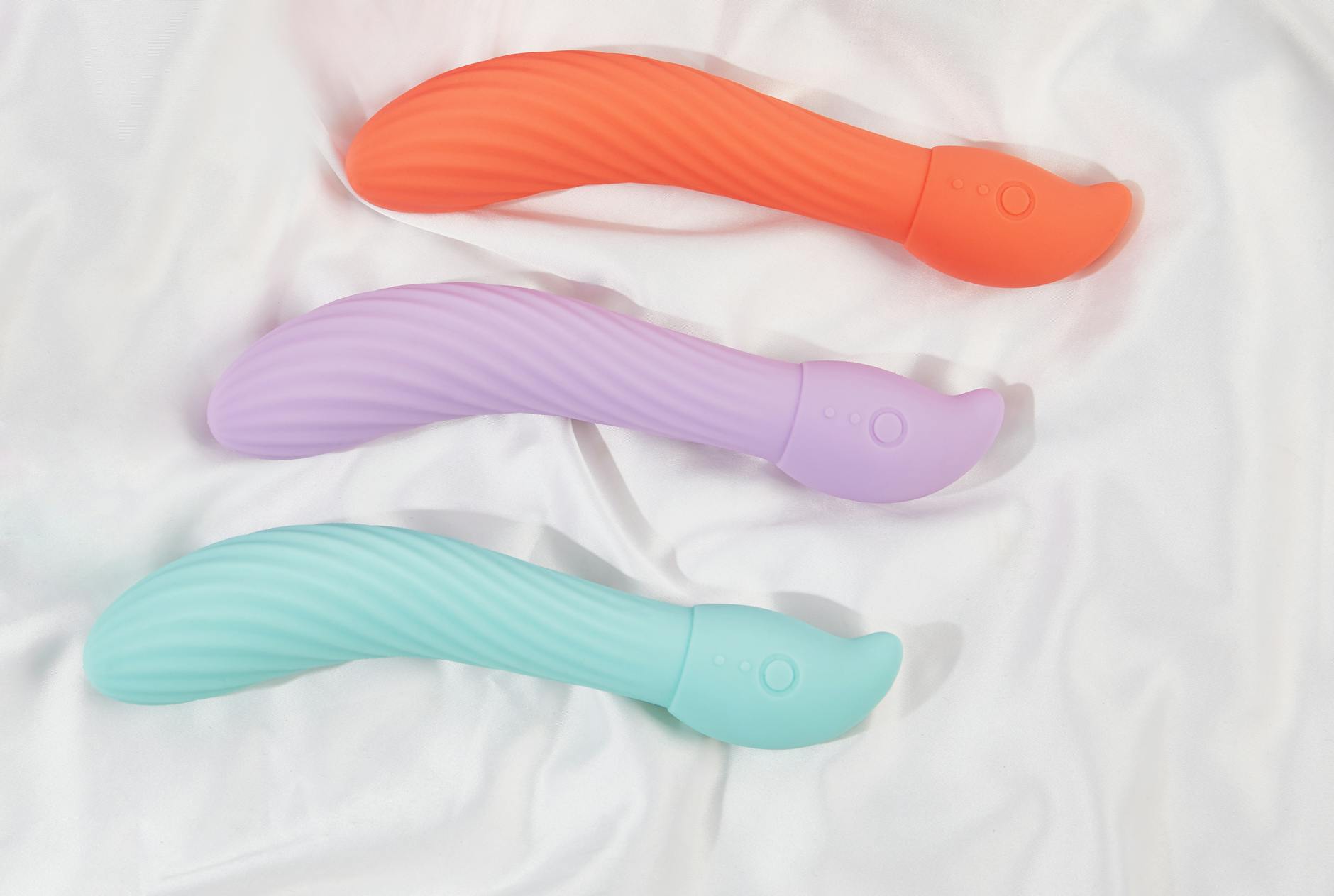
The good news: lemon vibrators, especially air suction clitoral vibrators like Hello Nancy's Lem, are specifically designed to work with reduced sensitivity. They don't require the same degree of baseline sensation that traditional vibrators do.
Why birth control actually does reduce sensation
Let's get precise about what's happening biologically.
Hormonal contraception suppresses the production of androgens, including testosterone. Women typically produce 15 to 70 micrograms of testosterone daily. Hormonal birth control can cut that by as much as 40 percent for the duration of use. Testosterone isn't about aggression or libido stereotypes. It's a direct neurochemical driver of genital sensitivity and arousal response.
When androgen levels drop, several things happen simultaneously. Clitoral tissue becomes less engorged during arousal. The nerve endings that fire during stimulation require stronger input to reach the same threshold. The brain's pleasure centers become slightly less responsive to genital input. Many people also experience vaginal dryness, which reduces the friction sensation that normally contributes to arousal.
On top of that, many hormonal contraceptives also suppress overall libido by increasing levels of sex hormone binding globulin (SHBG), which binds to testosterone and makes it unavailable to your tissues. So you're experiencing both reduced genital sensitivity and reduced desire simultaneously. That combination feels like your body just lost interest in sex, when really it's a chemical shift.
Why lemon vibrators work differently for post-pill sensitivity
Traditional vibrators rely on consistent rhythmic stimulation to create sensation. They work by delivering repetitive vibrations that accumulate over time until they cross the threshold for an orgasm. If your baseline sensitivity is lower because you're recently off hormonal birth control, you need either higher intensity, longer duration, or a different kind of stimulation altogether.
Air suction lemon clitoral vibrators work through pulse suction instead. A lemon vibrator creates a seal around the clitoral area and pulses suction at varying intensities and rhythms. This pattern doesn't require the same baseline sensitivity that vibration does. Suction stimulates deeper nerve pathways and can create sensation even when surface-level sensitivity is still waking up.
I recommend starting on the lowest suction level and spending time exploring. Many of my clients report that suction feels more "complete" than vibration. It's less like tapping and more like a wave. For someone whose sensitivity is rebuilding, that difference matters enormously.
The timeline for sensation recovery
How long does it actually take?
For most people, noticeable sensitivity returns within two to three weeks of stopping hormonal birth control. That's when your androgen production ramps back up and your nervous system starts responding more robustly. But full sensitivity recovery often takes longer. Some research suggests eight to twelve weeks is more realistic. If you're someone whose androgen production was particularly suppressed by contraception, it might take four to six months.
During this window, your body is exquisitely sensitive to what you do with it. If you're using a lemon vibrator during this recovery phase, you're not just experiencing pleasure. You're also retraining your nervous system and your brain's pleasure maps. That rewiring is valuable and lasts long after hormone levels stabilize.
A practical approach to rebuilding sensation
Here's what I tell clients who are restarting their sex lives after stopping birth control.
First, give yourself permission to feel absent. Your body isn't broken. It's in transition. That mental shift alone removes a lot of anxiety, which is itself a blocker to sensation.
Second, lengthen your warm-up time. Arousal takes longer to build when your baseline hormones are shifting. Budget 15 to 20 minutes of foreplay or solo exploration before you use any vibrator. This isn't wasted time. It's part of the rewiring process.
Third, start your lemon vibrator on the lowest setting and stay there. Resist the urge to crank up intensity. Lower settings actually create more nervous system engagement because your body has to work harder to register the sensation. Counterintuitive, but true.
Fourth, use the lemon vibrator consistently but not obsessively. Three to four times weekly gives your nervous system a chance to reset between sessions without losing momentum. Daily use can create tolerance; sporadic use means you're always starting from zero.
Fifth, vary the rhythm. If your lemon vibrator has multiple pulse patterns, cycle through them during a single session. Your brain adapts quickly to predictable stimulation. Novelty keeps the nervous system engaged.
The partner conversation during this transition
If you're partnered, this sensitivity shift affects both of you. Your partner might feel confused or rejected if your responsiveness has changed. They might assume it's about them, when it's actually about your hormone rebalancing.
Here's what I recommend saying: "I'm rebuilding sensitivity after stopping birth control. This isn't about our relationship. It's a physical shift I'm working through. What would help is if we slowed down and explored together without a specific goal."
That reframes the conversation from "something is wrong" to "something is changing." Partners often feel useful and involved in that narrative, which actually deepens intimacy during the transition.
You can also invite your partner to learn about your lemon vibrator with you. That doesn't have to mean they use it during sex with you. It might just mean they understand how it works and why you're using it. Knowledge removes awkwardness.
When to expect bigger shifts
If you had particularly strong suppression of desire and sensation on hormonal birth control, or if you were using it for a very long time, you might notice a second wave of sensitivity returning around month three or four post-cessation. This isn't unusual. Your endocrine system is slowly recalibrating, and sensation recovery isn't always linear.
You might also notice that your orgasm quality changes again. Some people find that orgasms become more intense. Some find they develop slightly different orgasm triggers. Some discover whole new pleasure pathways they didn't have access to on hormonal birth control. That exploration is part of what makes this phase interesting, even when it's frustrating.
When to bring in professional help
If your sensitivity hasn't noticeably improved after three months off hormonal birth control, or if you're experiencing pain instead of just numbness, talk to a healthcare provider. Sometimes prolonged hormonal suppression does create lasting sensation changes that benefit from specialist support. A gynecologist familiar with sexual health can run hormone tests and help you understand what's happening biochemically.
There's also no shame in consulting a sex therapist during this transition. They can help you distinguish between physical sensitivity recovery and psychological factors like performance anxiety that might be layering onto the physical shift. Often both are at play.
Your body's capacity for pleasure is still there. It's not broken. It's just waking up again. A lemon vibrator is one of the most effective tools for accelerating that process because it engages your nervous system without requiring the baseline sensitivity that traditional vibrators demand.
The bigger picture
This sensitivity shift is temporary. Your clitoral nerve endings aren't damaged. Your brain's pleasure centers didn't disappear. Your body is exactly as capable of pleasure as it was before you started hormonal contraception. It just needs time, patience, and the right tools for the transition.
Many of my clients report that once they rebuild sensitivity, their pleasure is actually richer than it was before. Because they're not on hormonal contraception anymore, they have access to a wider range of arousal patterns and desire states. The rebuild phase feels difficult in the moment, but it often leads somewhere genuinely better.
People also ask
How long after stopping birth control does clitoral sensitivity return?
For most people, noticeable improvement happens within two to three weeks. Full sensitivity recovery typically takes eight to twelve weeks, though some people need four to six months. The timeline depends on how long you were on hormonal contraception and your individual androgen production. If you experienced strong suppression, recovery might take longer. Using a lemon vibrator during this window can help accelerate the process because suction-based stimulation doesn't require baseline sensitivity the way vibration does.
Can a lemon vibrator help if birth control made me numb?
Yes. Lemon clitoral vibrators are particularly helpful for reduced sensitivity because they create a different type of stimulation than traditional vibrators. Air suction works through pulse patterns that engage deeper nerve pathways, so they're effective even when surface sensitivity is lower. Start on the lowest setting and spend time exploring. The goal isn't intensity. It's nervous system engagement.
Is it normal to not feel arousal for weeks after stopping the pill?
Completely normal. Hormonal birth control suppresses androgens like testosterone, which directly control arousal drive and clitoral sensitivity. When you stop, your endocrine system takes time to recalibrate. You're not broken, and you're not uninterested in sex. Your body is in transition. Most people notice significant improvement by week four, though full recovery takes longer. During this window, lowering expectations and using supportive tools like lemon vibrators can help.
Can I use a lemon vibrator while rebuilding sensation, or will it delay recovery?
Using a lemon vibrator during sensitivity rebuilding is actually supportive, not harmful. Consistent, varied stimulation helps your nervous system rewire and strengthens the pathways involved in arousal. The key is varying the rhythm and intensity so your body doesn't adapt to a single pattern. Three to four times weekly is ideal. Daily use can create tolerance, while sporadic use means you're always starting from baseline.
Should I tell my partner I'm using a lemon vibrator to rebuild sensitivity?
That's your call, but transparency usually helps. Many partners feel confused or hurt when they notice sensitivity changes, and they assume it's about attraction. Explaining that you're in a hormone rebalancing phase and using tools to support that process reframes the situation. It also opens the door for partners to feel useful and involved in your transition rather than excluded by it.
What if I've been off birth control for months and sensitivity still hasn't returned?
Consult a gynecologist or sex-informed healthcare provider. Prolonged sensitivity suppression after birth control cessation is less common but does happen. It might indicate persistently low androgen levels or other hormonal factors that benefit from specialist support. A sex therapist can also help you distinguish between physical sensitivity recovery and psychological factors like performance anxiety that might be layering on top of the physiological shift.