Let's talk about the thing nobody mentions in the pharmacy
You've been on antidepressants for months or years. They work. Your mood is stable, your anxiety has softened, and you're sleeping better. But somewhere along the way, sex stopped feeling like much of anything. Arousal comes slowly or not at all. Orgasm feels distant, muted, or impossible. You're not broken. Your medication is doing exactly what it's designed to do.
The good news: if you've switched medications, reduced your dose, or stopped taking them altogether, your sensation can come back. It doesn't always return overnight. But it does return. And there are specific tools that help you rebuild that connection faster.
How antidepressants actually affect arousal and sensation
Most SSRIs (selective serotonin reuptake inhibitors) work by increasing serotonin in your brain. That stabilizes mood, but serotonin also plays a role in sexual response. It dampens the dopamine pathways that drive desire, delays arousal, and can make it harder for your nervous system to register pleasure.
It's not psychological. It's not in your head. It's neurochemistry.
When you take an SSRI, your body gets less responsive to touch. Your clitoris is still there. The nerve endings are intact. But the signal that reaches your brain moves more slowly and feels quieter. Imagine turning down the volume on a song you love. The music is still playing, but you can barely hear it.
Other antidepressants affect sensation differently. Some people on SNRIs notice less impact. Others on older tricyclic antidepressants have stronger side effects. The exact mechanism depends on the drug, your dosage, your individual neurology, and how long you've been taking it.
What happens when you stop or switch
Once you discontinue the medication (with your doctor's guidance), your serotonin levels begin to normalize. Most people notice the first shifts in arousal within two to four weeks. Some feel a difference sooner. A few take longer.
But here's what surprises most people: sensation doesn't snap back like a light switch. It's more like slowly turning up a dimmer. Your body needs time to remember what arousal feels like. Your nervous system needs practice recognizing pleasure signals again.
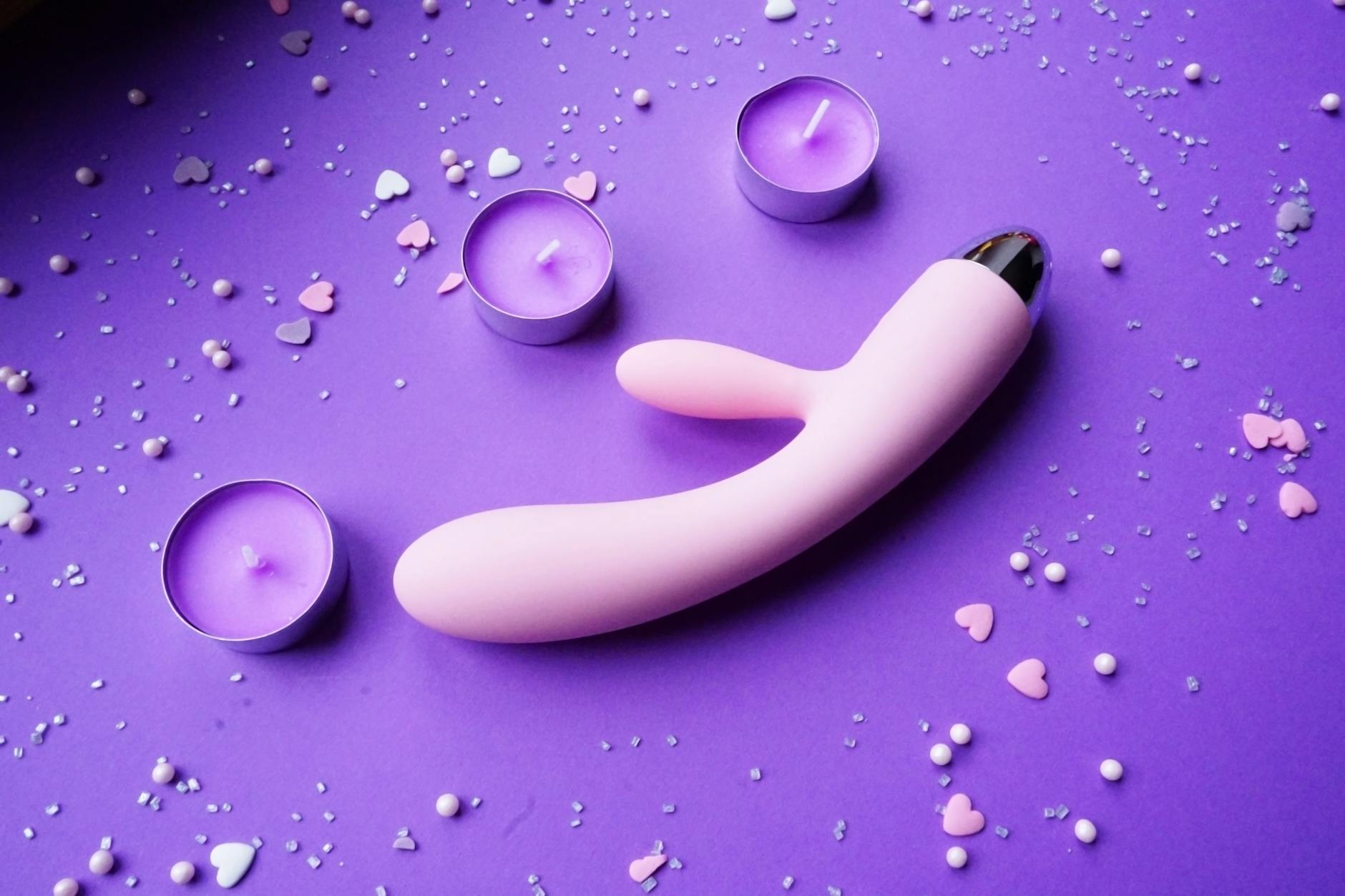
That's where a lemon clitoral vibrator becomes genuinely useful.
Why air suction vibrators work better during this transition
Traditional vibrators rely on friction and buzz. They're effective, but they require your body to already be somewhat aroused and sensitive to feel the stimulation. When you're rebuilding sensation after antidepressants, that baseline sensitivity is lower. You're asking an already-quiet signal to get louder.
A lemon vibrator works differently. The suction mechanism doesn't depend on vibration alone. It creates gentle pressure and release patterns that stimulate the entire clitoral structure, not just the surface. This technique is more likely to trigger a response even when your baseline sensitivity is suppressed.
Research on clitoral vibrators and air suction devices shows they're particularly effective for people with reduced sensation from medication or hormonal changes. The pattern of stimulation is more varied and can feel less uniform than traditional vibration, which helps your nervous system stay engaged.
The practical steps to rebuild arousal
Start with time and patience. Don't expect sensation to return at full intensity right away. Give yourself at least four to six weeks of consistent practice before you judge whether your body is responding.
Budget longer for everything. Arousal takes time when you're rebuilding. Foreplay that used to take ten minutes might now take twenty or thirty. That's not failure. That's normal. Some people find this slower pace actually creates more sustainable pleasure.
Use a lemon vibrator on the lowest patterns first. The Lem vibrator, for example, has multiple intensity levels and pulsing patterns. Start at level one or two. Spend two to three minutes exploring just pattern one before moving to a second. You're retraining your nervous system to notice sensation, not chasing orgasm.
Combine it with touch. Use the vibrator for a few minutes, then put it down and try direct hand stimulation. Alternate between them. This helps your body recognize pleasure from multiple sources and prevents you from becoming dependent on one type of stimulation.
Track what feels different. After a week or two, you might notice that certain patterns feel more responsive than others. You might find that touching other parts of your body first (your inner thighs, your breasts, your neck) helps prime your nervous system for clitoral stimulation. Keep notes. These patterns matter.
Talking to your prescriber about this
If you're still on antidepressants and experiencing sexual side effects, don't assume you have to live with it. Good options exist.
Some doctors will reduce your dose slightly. Others will switch you to a different medication with a lower sexual side effect profile. Some add a second medication that counteracts the sexual dampening. A few prescribe a small dose of a stimulant before sex. None of these are ideal long-term solutions, but they're worth discussing with your doctor.
The worst outcome is suffering in silence and assuming your medication can't be adjusted. It usually can be.
When sensation takes longer to return
Some people's bodies take three to four months to fully rebuild arousal after stopping antidepressants. That's still normal. Depression itself also suppresses sensation, so if you've been on medication for years, you might be rebuilding from two different directions at once.
In those cases, the lemon vibrator becomes even more useful. It gives you a consistent, gentle tool to practice with while your nervous system recalibrates. The key is consistency, not intensity. Five or ten minutes with the vibrator three or four times a week does more for rebuilding sensation than sporadic longer sessions.
The emotional side of recovery
Losing sexual sensation while on medication can feel like mourning. You grieve the spontaneity, the quick arousal, the way sex used to feel. That grief is valid, and it doesn't disappear the moment you stop taking the pills.
As sensation returns, you might feel frustrated that it's slower or different than it was before. You might worry it won't come back fully. You might feel disconnected from your partner during this transition. All of that is normal.
Talk about it. Tell your partner that you're rebuilding, that it's a process, and that slower doesn't mean broken. If you're using a lemon vibrator to explore on your own, that's self-care, not rejection. Many people find that relearning their own pleasure actually strengthens their relationships because they stop waiting for their partner to create sensation and start being active participants in their own recovery.
People also ask
How long after stopping antidepressants does sexual sensation return? Most people notice the beginning of a return in sensation within two to four weeks of stopping an SSRI. Full recovery of baseline arousal typically takes six to twelve weeks, depending on how long you were on the medication and your individual neurology. Some people notice improvement much sooner. A few take longer. Consistency with rebuilding practices (like using a clitoral vibrator) can accelerate this timeline.
Can I use a lemon vibrator while still on antidepressants? Yes, absolutely. Using a lemon clitoral vibrator while on medication won't interfere with your treatment. In fact, many people find that air suction vibrators are one of the few tools that still generate sensation even with medication dampening arousal. It can help you maintain some sexual connection during treatment.
Will my sensation come back fully, or will it always feel different? For most people, sensation returns to its pre-medication baseline once the drug is out of your system and your nervous system recalibrates. A small percentage of people report that their arousal feels slightly different afterward, even fully recovered. This is rare and usually described as a slight shift in intensity or pattern, not a permanent loss. If you're concerned about this, talk to your prescriber before stopping medication.
Is it normal for arousal to feel spotty when rebuilding after antidepressants? Completely normal. Some days you'll feel responsive. Other days you'll feel like you're back to zero. Stress, sleep, hormones, and emotional factors all influence arousal even when you're rebuilding. That inconsistency is part of the process, not a sign that recovery isn't happening. Stick with it.
Should I switch to a different toy if a lemon vibrator doesn't work immediately? Give the lemon vibrator at least two to three weeks before switching. Your nervous system needs time to adapt to a new type of stimulation. Many people need four to six weeks to know whether a tool is actually working for them during this recovery phase. If you've tried consistently and it still doesn't feel right, you can explore other options, but patience usually pays off.
Can I use a lemon vibrator with a partner while rebuilding sensation? Yes. Some couples find that exploring together with a clitoral vibrator actually helps rebuild sensation faster because the shared experience creates emotional connection alongside physical rebuilding. If you want to involve your partner, you might explore solo first so you know what feels good, then bring them in.
Your sensation will come back. Your body's capacity for pleasure hasn't disappeared. It's been quieted, and quiet things need time and the right tools to be heard again. A lemon clitoral vibrator is one of those tools. Patience is another. Both matter.