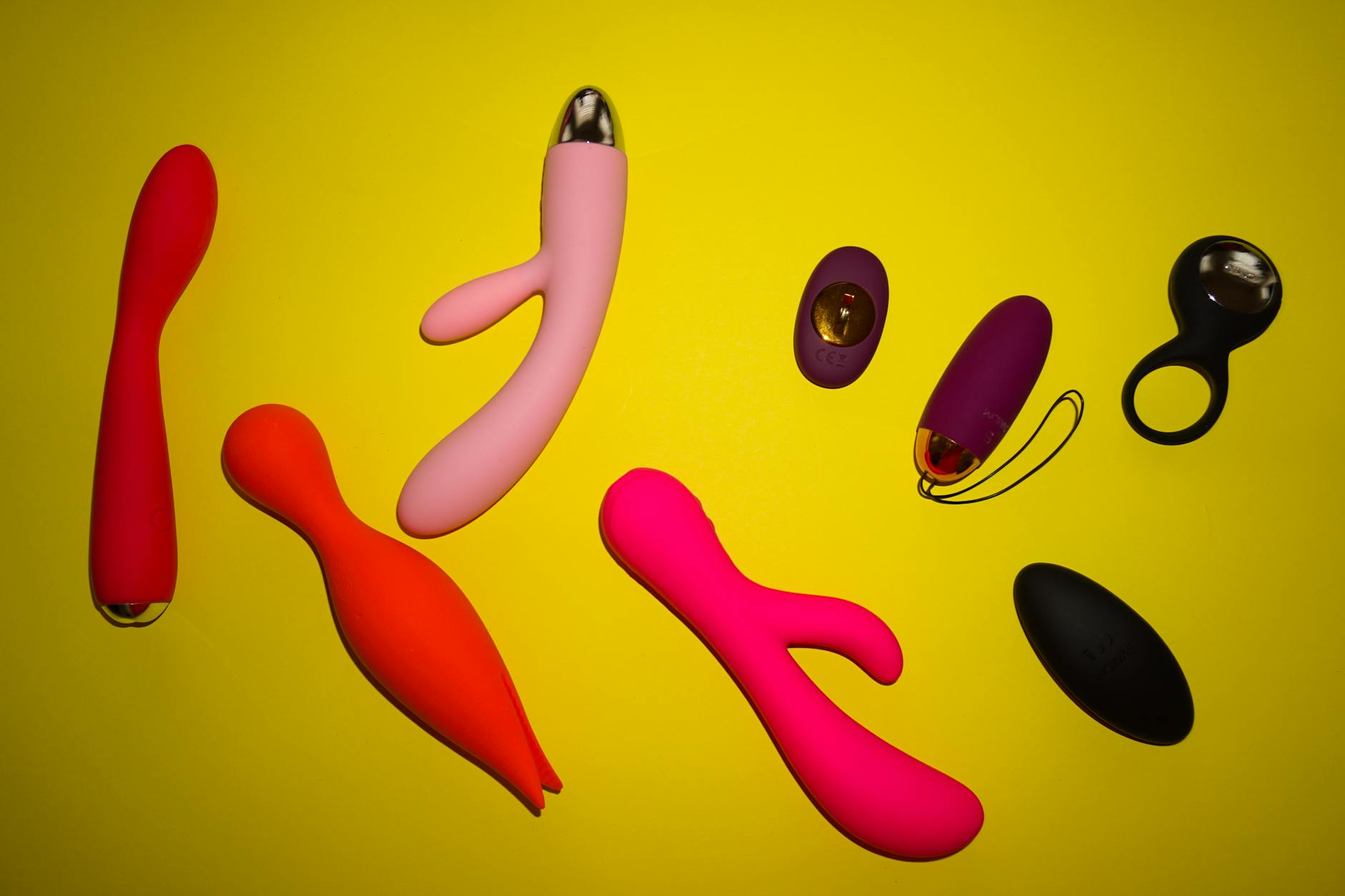
Can You Use a Lemon Vibrator After Childbirth? A Recovery Timeline
Let's be real: nobody warns you that pleasure becomes weirdly complicated after you give birth. Your body just experienced something that fundamentally rewired it, your hormones are doing backflips, and the last thing anyone asks is "Hey, when can you enjoy sex again?" Instead you get "How's the baby sleeping?" and absolutely nothing about your own recovery.
So let's talk about it.
Specifically, let's talk about when and how you can safely use a lemon vibrator (or any clitoral vibrator) after childbirth, whether you had a vaginal delivery or a cesarean. Because pleasure isn't frivolous during postpartum recovery. It's part of feeling like yourself again.
The postpartum body is not the same body you had before
Your pelvic floor got incredibly stretched or surgically opened. Your vulva may be swollen, tender, or numb from tearing or stitches. Your hormones have crashed hard, which affects lubrication and blood flow. Your brain is running on the fumes of sleep deprivation while managing an impossibly demanding new human.
This is not the time to expect the same response you had before. That's not judgment on you. It's biology.
The good news: this is temporary. Within weeks to months, most of the acute tenderness fades. And that's when a lemon vibrator, specifically, can be a gentle re-entry tool that traditional vibrators often aren't.
The timeline: when can you actually try?
Most healthcare providers green-light intercourse around 6 weeks postpartum, assuming no complications and no signs of infection. But a lemon clitoral vibrator isn't quite the same as intercourse, and the timeline is a bit different.
Here's what I recommend:
Weeks 1-4: Do not use any vibrator. Your body is actively healing. Your pelvic floor is swollen, and stimulation can interrupt healing. This is the time for rest, ice baths if your doctor approved them, and letting yourself just exist.
Weeks 4-6: You can begin very gentle external stimulation if you feel ready. A lemon vibrator at its lowest setting, held away from any stitches, can feel less jarring than a traditional vibrator because it uses suction rather than intense vibration. But check with your OB first, especially if you had stitches or tearing.
Week 6 onward: If your 6-week checkup cleared you and there's no pain, you have more flexibility. A lemon clitoral vibrator becomes a reasonable option if you want to explore pleasure solo before partnered sex.
Month 3+: Your pelvic floor has usually regained enough tone and sensation that sensation feels more familiar. Pleasure starts to feel less tentative.
Why a lemon vibrator is gentler than traditional vibrators postpartum
A traditional vibrator creates rapid friction and vibration directly on tissue that's already been through trauma. A lemon vibrator (or any clitoral suction toy) works differently.
Instead of vibration, it creates gentle suction. This pulls soft tissue slightly inward rather than stimulating the surface directly. For postpartum vulvas, especially those with stitches or swelling, suction feels less aggressive. It's gentler on healing tissue.
The lemon vibrator also gives you control over intensity in a way that matters during recovery. You start at the lowest setting, and you can pause anytime. You're not managing competing sensations of pain and pleasure on already-sensitive skin.
That said: if you try it and it hurts, stop. Pain is not normal and is usually a sign that something still needs more healing time.
The emotional side nobody talks about
Physical recovery is one thing. Emotional recovery is another.
After childbirth, many people feel disconnected from their bodies. Your vulva, in particular, might feel like it belongs to your baby and your healthcare providers right now, not to you. Claiming it back as a place of pleasure takes real mental work.
Some people find that using a lemon vibrator solo, before attempting partnered sex, helps rebuild that connection. It's a way of saying: this body is still mine, and I still deserve pleasure. That matters. Not just for sex, but for identity and autonomy.
Others feel no desire for weeks or months, and that's normal too. Oxytocin from nursing, sleep deprivation, and hormonal shifts can completely flatten libido. Don't force it. Your body will tell you when it's ready.
If you have a partner, talk about this explicitly. Not "We haven't had sex yet, is something wrong?" but "My body went through something really big, and I need time to feel like myself again." That conversation prevents resentment and creates space for pleasure when you're actually ready.
What to watch for: pain means stop
There's a difference between "I feel a little vulnerable" and "This hurts."
Vulnerability during recovery is normal. Pain is not. If you experience sharp pain, burning, or heavy bleeding when you use a lemon vibrator, stop and contact your doctor. It could mean your pelvic floor needs more time, or you have an infection, or your stitches need attention.
Mild discomfort (like pressure or sensitivity) might fade with continued gentle use. But actual pain is a signal to back off.
Also watch for signs of pelvic floor dysfunction, which is common postpartum: heaviness, pelvic pressure when standing, or feeling like things are "falling down." If you notice these, see a pelvic floor physical therapist before using a vibrator.
Lubrication matters even more postpartum
Your estrogen is lower postpartum than it was before pregnancy (especially if you're nursing). That means lubrication might be different. Don't assume you'll self-lubricate the way you did pre-pregnancy.
Use water-based lubricant. Generously. Even if you don't think you need it. It reduces friction, which protects healing tissue and makes any sensation feel better.
Skip silicone-based lube if you're using a lemon vibrator or any silicone toy. Water-based won't degrade your toy and gives you more control over how much slickness you have.
The bigger picture: pleasure is part of recovery
Postpartum care usually focuses on physical healing: bleeding, stitches, infection. Mental health gets a nod. But pleasure? Sexual recovery? Reclaiming your body as your own? That's almost never part of the conversation.
It should be.
Bringing pleasure back into your life during postpartum recovery isn't selfish or frivolous. It's a sign that you're reclaiming yourself. A lemon clitoral vibrator, used gently and at the right time, can be part of that reclamation. It's gentler than a traditional vibrator, easier to control, and less likely to re-traumatize healing tissue.
But timing matters. Your body will tell you when it's ready. Listen to it.
People also ask
Can I use a lemon vibrator if I had a cesarean delivery?
Yes, the same timeline applies. Your incision site is separate from your clitoris, so a lemon vibrator won't directly irritate it. However, your core and pelvic floor are still in recovery, so wait until at least week 4, and ideally until your 6-week checkup clears you. Start gently and pay attention to how your body feels.
Is it safe to use a lemon vibrator while breastfeeding?
Completely safe. Vibrator use has no impact on breast milk production or quality. Go ahead if you want to. Your body, your choice.
What if I feel zero desire postpartum and it's been three months?
That's common, not broken. Sleep deprivation, hormonal shifts, and the total depletion of managing a newborn all flatten libido. If you want desire back and it's not returning, talk to your OB about hormone levels or postpartum depression screening. Sometimes desire takes 6 months or longer to return, and that's okay. Don't rush it.
Can a lemon vibrator help with postpartum numbness or reduced sensation?
Sometimes. The gentle suction of a lemon vibrator can help wake up nerve endings that feel asleep. But if sensation is still absent at 6 months postpartum, talk to a pelvic floor physical therapist. Nerve healing takes time, and they can help.
Is postpartum pleasure different than pre-pregnancy pleasure?
Often, yes. Your body has changed. Your tissues are different. Your baseline arousal might be lower. Over time, pleasure usually returns and can feel richer than before, but don't expect it to feel identical immediately. Be patient with yourself.
Should I tell my partner I want to use a lemon vibrator?
If you have a partner and you want to be intimate again, honesty helps. You could say something like: "I'm not ready for intercourse yet, but I want to start exploring pleasure again. Would it feel okay if I used a lemon vibrator on my own to see what my body needs right now?" That sets expectations and creates space for intimacy without pressure.
What comes next
Your body did something extraordinary. Recovery takes time. Pleasure is part of feeling human again. And when you're ready, a lemon vibrator can be a gentle, controllable way to bring that back into your life.
If you have questions about your specific recovery or timeline, your OB or a pelvic floor physical therapist is the right person to ask. But know this: pleasure postpartum isn't something you need to earn or deserve more than you already do. It's part of your life coming back to you.
If you want guidance on rebuilding intimacy with a partner after childbirth, or if postpartum recovery is affecting your relationship, I'm here to help. Reach out at /contact to chat about what you need right now.