Let's be honest about what chronic illness does to desire
Chronic illness doesn't just affect your body. It rewires your entire relationship with pleasure. Pain steals focus. Fatigue flattens energy. Medications that keep you alive often numb the sensations that make sex feel worth having. After months or years of managing symptoms, prioritizing pleasure can feel like a betrayal of the work it takes just to get through the day.
But here's what I've learned from working with couples navigating chronic illness. Pleasure is not a luxury. It's a form of survival. And reclaiming it doesn't mean going back to what sex felt like before you got sick. It means building something new, gentler, and sometimes even deeper.
Why chronic illness quietly kills libido (it's not just the fatigue)
Three things happen simultaneously when chronic illness arrives:
First, there's the physical load. Pain, fatigue, and medication side effects create a neurological reality: your nervous system is stuck in a sympathetic state, running on emergency mode. Arousal requires parasympathetic activation. You can't relax into pleasure when your body is literally fighting to survive.
Second, there's the identity shift. Illness changes how you see yourself. You're no longer the person who could go out dancing or stay up late. That grief is real. And grief and arousal are almost incompatible.
Third, there's the power dynamic. When your partner has become a caregiver, the power structure in the bedroom shifts. You might feel less like a lover and more like someone being managed. That changes everything about consent and desire.
None of this is depression or "loss of libido" in the clinical sense. It's a rational response to an irrational situation. Your body is protecting itself.
Why a lemon suction vibrator is different when you're managing chronic illness
Most vibrators demand something. They need pressure, movement, focus. When you're already depleted, that feels like another chore.
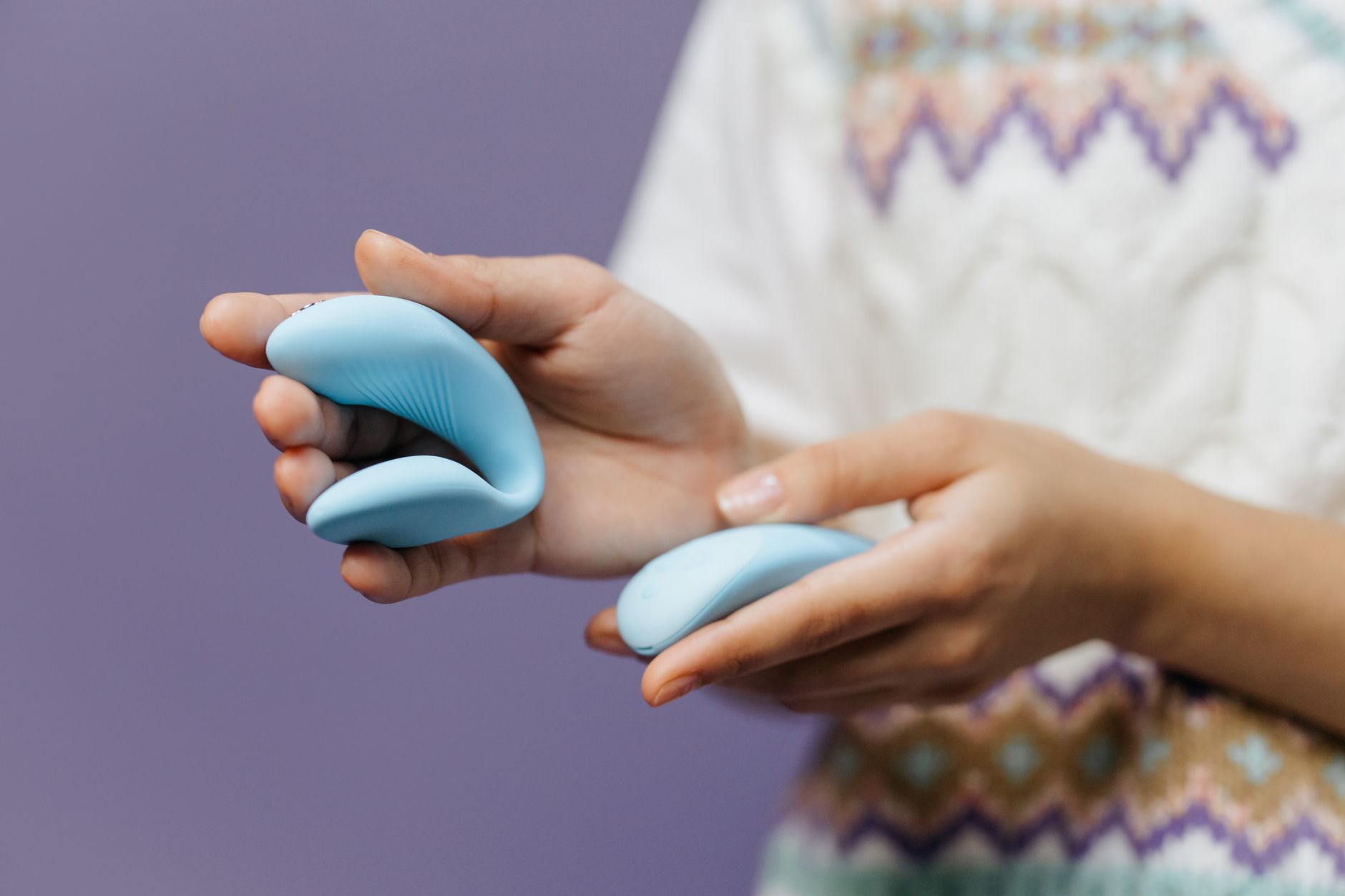
A lemon clitoral vibrator works differently. The suction technology doesn't require you to hold it in one place, apply friction, or move your hips. It stimulates through gentle, rhythmic pressure. You can activate it, rest against it, and let it do the work while you breathe.
This matters when energy is scarce. You're not performing. You're receiving.
For people with pain conditions, the suction approach is gentler on sensitive tissue. There's no direct friction that can trigger pelvic floor tension or amplify pain signals. Instead, the lemon vibrator creates a sensation more like a gentle massage. Many clients report that they can use it longer without discomfort creeping in.
If medication side effects have dulled sensation, the suction pattern actually reaches different nerve endings than traditional vibration. You might feel more with a lem vibrator than you did before.
Building a realistic intimacy plan when illness is part of the equation
Here's what I recommend to most clients managing chronic pain or fatigue:
Start with solo time, not partnered sex. Rediscovering pleasure on your own terms, without the pressure of someone else's timeline or pleasure, is less overwhelming. A lemon sexual toy is perfect for this because you can experiment with intensity without an audience. Use it for 10-15 minutes. Not to climax, just to notice what feels good. Many people find that sensation returns gradually through solo exploration.
Separate pleasure from performance. Illness disrupts the cultural script about what sex should look like. Let it. If reaching orgasm feels impossible, try pleasure without that goal. The lemon clitoral vibrator is excellent for this because the sensation is intrinsically pleasurable even if climax doesn't arrive. Notice the feeling. That's the point.
Build in rest days. Your body needs recovery. Intimacy every day might be impossible. That's not a failure. Plan for 2-3 times per week when you have slightly more energy, and protect that time. A partner who understands that intimacy happens on a different schedule because of illness is a partner worth keeping.
Use positioning to minimize pain. If lying down aggravates pain, try side-lying. If that triggers fatigue, stay seated. The lemon vibrator works in almost any position, which is why so many people with chronic illness prefer it to positions that require more physical involvement.
Talk to your partner about the emotional piece. Illness changes desire, but it also changes vulnerability. Many couples find that talking about pleasure becomes easier when illness has already cracked open the conversation about bodies not cooperating. You're not pretending anymore. You're being real about what you can actually feel and what you actually want.
When medication is the culprit
If your chronic illness medication is flattening sensation or killing desire, you have options. Don't just accept it.
First, talk to your prescriber. Some medications are notoriously harder on libido than alternatives. Your doctor may be able to adjust dosage, switch timing, or try a different medication in the same class. This is a legitimate conversation to have.
Second, understand that sensation often returns slowly. If you've recently changed medication, give your nervous system time to recalibrate. That can take weeks or months. Use a lemon clitoral vibrator during this period to actively rebuild sensation rather than waiting passively.
Third, if medication-related numbness persists, a lem vibrator can actually help bypass that numbness. The suction pattern stimulates deeper nerve pathways that traditional vibration misses. Clients often report that once they switch from standard vibrators to a lemon adult toy, sensation returns more readily.
Bringing your partner back into the picture (without guilt)
When you've been isolated by illness, letting your partner touch you again feels vulnerable. You might worry that your body won't respond. You might feel broken.
Here's what I know: your partner probably doesn't want performance. They want you. If they're worth keeping, they'll be relieved that you're interested in pleasure again, even if it looks different now.
Start small. Try the lemon vibrator together during partnered intimacy. Your partner can apply it while you relax. They get to participate without you having to move. You get pleasure without having to carry the weight of making it happen.
Many couples find that illness actually deepens intimacy because it strips away pretense. You stop performing and start connecting. A lemon suction vibrator can be part of that conversation, not separate from it.
The patience piece (which is hardest)
Reclaiming pleasure after illness takes time. You can't force it. You can't will your nervous system to relax or your medications to stop having side effects.
What you can do is show up, gently, with patience for yourself. A lemon clitoral vibrator makes that easier because it requires so little effort. No complicated techniques. No endurance. Just rest and receive.
Your pleasure matters. Not despite your illness. Not once you're "better." Now, in this body, with all its limitations and realness. That's where intimacy lives.
People also ask
Is it normal to lose desire when you have a chronic illness?
Completely normal. Chronic illness creates a perfect storm for low libido. Your nervous system is in survival mode, your identity has shifted, and you're depleted. That's not a personal failing. That's your body doing what it's designed to do under stress. The fact that desire can return, even changed, is what matters.
Can I use a lemon vibrator if I have chronic pain?
Yes, and many people with chronic pain prefer them. The suction technology doesn't require friction or pressure, which can trigger pelvic floor tension or pain flares. Start on the lowest setting and use for short intervals. If pain increases, stop and rest. You're not pushing through pain. You're exploring what feels genuinely good.
How long does it take for libido to come back after illness?
There's no timeline. Some people regain desire in weeks. Others take months or years. It depends on the illness, the medication, your stress level, and whether your nervous system feels safe. Solo exploration with a lemon clitoral vibrator can actually speed the process because you're actively signaling to your body that pleasure is allowed.
Should I tell my partner I want to use a vibrator if they've been my caregiver?
Yes. The caregiver dynamic can feel loaded, but reclaiming pleasure together is actually a way to reclaim your relationship. You're saying "I'm still here. I still want this." Most partners find that deeply moving. If your partner resists, read our guide on how to approach this conversation.
Can lemon vibrators help with medication-related numbness?
Yes, often. The suction pattern reaches different nerve pathways than traditional vibration. If another lemon adult toy hasn't worked, switching to a lem vibrator is worth trying. Your body might respond to the sensation differently.
What if I'm too tired to use a vibrator?
Use it during your peak energy window, even if that's 10 minutes in the morning. And remember that "using" it doesn't have to mean anything effortful. Sometimes pleasure is just letting the vibrator rest against you while you breathe. That counts.
If you're consistently too exhausted for any sexual activity, that's a sign to talk with a healthcare provider. Extreme fatigue can indicate illness progression or medication adjustment needs.
Moving forward
Chronic illness is a long conversation with your body. Pleasure is part of that conversation, not separate from it. A lemon clitoral vibrator is one tool for reclaiming your voice in that dialogue.
Start where you are. Be gentle. Your pleasure matters, and it's waiting for you whenever you're ready to meet it there.
Have questions about how to navigate intimacy while managing a chronic condition? Get in touch.