Let's start with the real part
Your body has been through something. Maybe you've been managing a chronic condition, recovering from surgery, dealing with a serious illness, or healing from a physical or emotional trauma. Whatever the reason, you've been away from pleasure. Now you're thinking about coming back to it, and it feels like crossing a threshold you're not sure you're ready for.
Here's the honest truth: your nervous system doesn't just flip back on. It needs permission, space, and tools that work with where you actually are right now.
Why restarting isn't the same as starting over
Your body remembers pleasure even when you've been away from it. The neural pathways are still there. But your nervous system has also learned to protect itself. When you've been through prolonged illness or pain, your brain creates associations between your body and discomfort. Restarting means gently overwriting some of those associations while honoring that they existed.
This is different from a beginner's journey. You're not learning what pleasure feels like. You're relearning that your body is safe and capable again. That's a subtly different emotional and physical process.
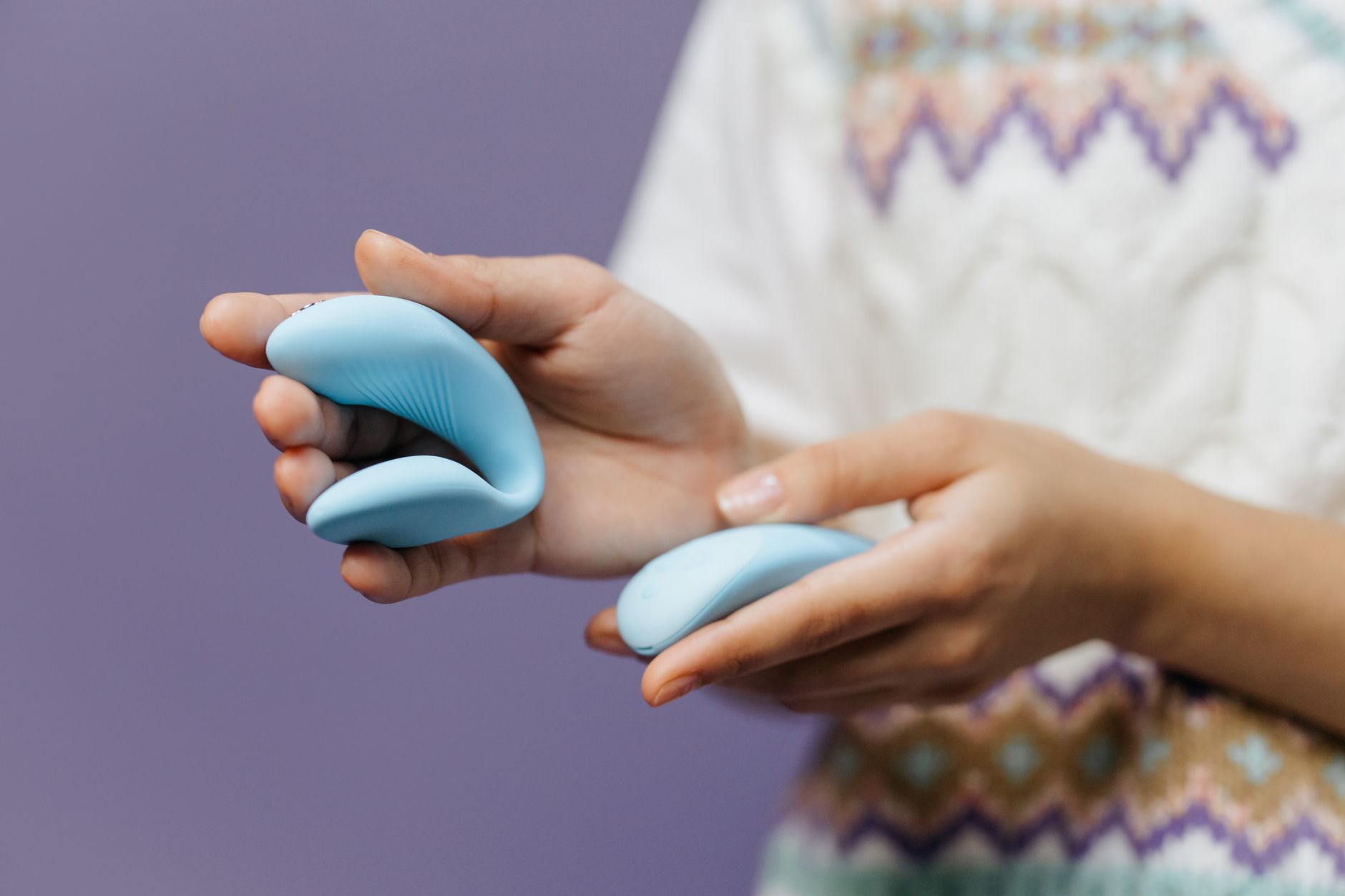
Lemon vibrators and other clitoral vibrators are particularly useful during this phase because suction-based stimulation doesn't require you to interpret what's happening in the way direct vibration does. It's a different signal to your nervous system. That distinction matters.
The first conversation you need to have
If you have a partner, this starts with talking before you touch anything. Not a big production, just honest clarity. "I want to come back to this. I'm nervous about my body. I need us to go slowly and I need to know it's okay if I need to stop."
If your partner responds with pressure, timeline expectations, or tries to turn this into a performance, that's useful information. A partner worth restarting with will say something like, "I'm here for this at whatever pace feels right for you." Listen for that.
If you're restarting alone, you still need that conversation with yourself. Permission matters just as much. Write it down if you need to. "My body is allowed to come back to pleasure slowly."
Physical prep before you even pick up a lemon vibrator
Start with sensation without any tools. Spend a few days or a week just noticing what touch feels like on your skin. Not sexual, just present. Temperature changes. Textures. Where you feel numb, tight, or tender. This isn't therapy language. It's just you getting reacquainted with your own nervous system.
When you do pick up a lemon clitoral vibrator for the first time after a long break, do it on a day when you're not expecting anything to happen. Put it on the lowest setting. Try it on your forearm first, then your inner thigh, then near (but not directly on) your genitals. You're collecting data about what sensation feels like, not chasing an orgasm.
Lubricant is non-negotiable. Even if you don't think you need it, use it. Water-based is your safest bet. It lets the vibrator glide without friction doing any of the work. That's important when your tissues might be sensitive from recovery.
The pacing strategy that actually works
Week one: sensation only. No goal. Just five to ten minutes with the vibrator on the lowest setting, exploring different pressures and positions. You're not trying to orgasm. You're building a library of what feels okay.
Week two: if week one felt good, try the next setting up. Again, no goal. Just time with the vibrator and your own attention.
Week three: start adding longer sessions. Fifteen to twenty minutes. By now, your body might start responding. It might not. Both are completely normal.
Week four and beyond: you get to decide what feels good.
This timeline is a guideline, not a prescription. If it takes two weeks at each stage, that's fine. If you need to stay at the lowest setting for a month, that's also fine. There's no prize for moving faster.
When partnered sex feels scary
Many people restarting after illness or recovery worry that partnered sex will hurt or feel wrong. So you might start that phase with a lemon vibrator as a buffer. You can use it during foreplay. You can use it as the main event. You control the intensity, the rhythm, and how long it happens. Your partner is present but not driving the experience.
That's a completely legitimate way to restart. It tells your nervous system, "I'm in charge of my pleasure right now. My partner is here to support it, not deliver it."
If direct penetration is something you used to do and want to return to, the sequencing matters. Don't rush to it because you think that's what you're supposed to want. You're allowed to spend as long as you need with other kinds of stimulation. Some people find that once they're comfortable with vibration again, partnered touch becomes easier. Others find they want to stay with vibrators as their primary pleasure source. Both outcomes are success.
Managing expectations and setbacks
Some days your body will feel open and responsive. Other days you'll touch yourself or your partner and feel nothing but anxiety. That's not failure. That's your nervous system being honest about where it is.
If you have a session where something doesn't feel good, don't force it. Stop. Cuddle, breathe, do something gentle. Then, separately, figure out what happened. Was it the intensity? The position? Lack of lube? Stress from earlier in the day? Your nervous system isn't being difficult. It's giving you information.
This is why the slowness is crucial. When you're moving at a pace that actually fits your recovery, you can notice these signals and respond to them. When you're pushing yourself toward what you think you should be doing, you miss the data.
When to check in with a professional
If you're more than a month into restarting and everything still feels numb, or if pleasure triggers pain, talk to a pelvic floor physical therapist. They can assess whether there's a physical restriction you're bumping up against. This isn't weakness. It's information.
If anxiety spikes whenever you try to be intimate, a therapist who specializes in somatic work can help you unbind some of the nervous system patterns that got created during your illness or recovery. Again, not weakness. Just support.
The lemon vibrator is a tool, not a fix. It works best alongside patience, communication, and the willingness to listen to what your body is actually telling you right now.
You're not starting from zero
Your body has memory. Pleasure has a groove in your nervous system even if you've been away from it. The restart isn't about building from nothing. It's about re-establishing the connection with gentleness and the right tempo. That's actually something you're now better equipped to do than you might have been before because you know what it feels like when your body has to protect itself. You know what safety matters.
That's knowledge that changes everything.
Common questions about restarting
How long should I wait after surgery before using a vibrator?
Ask your doctor for clearance on any kind of sexual activity first. Once you have that green light, you can start the gentle exploration phase. For most people, that's between four to eight weeks post-surgery, but every procedure is different. Your surgical team will have specific guidance. After you get that clearance, start exactly as described above. Low intensity, no goals, lots of lube.
Can I use a lemon vibrator if I still have pain?
This depends on the type of pain. Sharp pain, burning, or deep internal pain is a signal to pause and check with a pelvic floor specialist. Discomfort from muscles that are rusty or from tissue that's sensitive is different. That might soften with patient exploration and the right lube. But pain that doesn't improve after two to three gentle sessions is worth discussing with someone trained in sexual health.
Should I tell my partner exactly what my body is doing during this phase?
Yes. Not a blow-by-blow, but the framework. "I'm not feeling much right now and that's okay," or "I felt something today and it surprised me," or "I got anxious and needed to stop." Your partner can't support you if they're guessing what's happening. You deserve someone who knows where you actually are.
What if my partner gets impatient with the slow pace?
That's a relationship problem, not a you problem. A partner who pressures you to move faster than your nervous system is ready for is not supporting your recovery. You can offer to have regular check-ins where you talk about the pace together. But ultimately, the timeline is yours. Your body gets the vote.
Can I restart using a lemon clitoral vibrator alone first, then with a partner later?
Absolutely. Many people find that solo exploration first lets them rebuild confidence in private. You can learn what feels good, what doesn't, and get reacquainted with your own body at your own pace. Then, when you bring a partner into the picture, you already have data about what you like.
Is it normal to feel emotional during this phase?
Completely. You might feel grief about the time you lost. You might feel relief when you realize your body still works. You might feel anger or fear. All of that is normal. It's not a reason to stop. It's just your nervous system processing something big. If the emotions feel overwhelming, a therapist can help you move through them.
The path forward
Restarting after a health break isn't about erasing what happened. It's about building a new relationship with your body where you move at the pace that feels true, you listen to what your nervous system is actually saying, and you give yourself credit for the courage it takes to come back to pleasure at all.
Lemon vibrators and other clitoral vibrators are tools for that journey, but the real work is the permission you give yourself. Start there.
Want to talk through your specific situation? Reach out and we can help you figure out what comes next.