The thing nobody tells you about depression and desire
Depression doesn't just make you sad. It flattens sensation itself. Your body stops sending the signals that make pleasure possible, and when the depression lifts, those signals don't automatically come roaring back. You're supposed to feel better now, right? Except your clitoris feels like it's somewhere very far away.
This is clinical, not emotional. Depression and antidepressants both dampen the nervous system's ability to register physical sensations. When you start feeling mentally clearer, your body is often still catching up. That gap between "I should want this" and "I can actually feel this" is where most people get stuck.
A lemon vibrator works differently than your hand or a partner's touch. The suction-based stimulation from a device like the Lem bypasses the dulled sensitivity problem because it's creating a different kind of pressure. You're not waiting for sensation to come back. You're using physics to access pleasure that's still there, just harder to reach.
Why sensation feels different after depression
Three separate things happen during depression that make pleasure harder.
First, the brain dampens signal transmission. Depression literally reduces how much neurotransmitter activity reaches your brain. When your serotonin and dopamine are suppressed, the neural pathways for pleasure flatline. Antidepressants help rebalance this, but the process is slow. You might feel mentally clearer after two weeks and still have a body that doesn't "hear" physical stimulation for months.
Second, you lose the cognitive component of arousal. Arousal isn't just physical. Your brain has to pay attention to sensation for it to feel like pleasure. Depression pulls your attention inward. You're too busy managing thoughts like "will this ever work again" to actually feel what's happening in your body.
Third, many antidepressants genuinely reduce genital sensation as a side effect. This is temporary and usually improves, but if you're restarting intimacy while still on medication, you're working against your own chemistry. This isn't a reason to stop your medication. It's just information.
The lem vibrator helps because it doesn't require you to feel subtle sensation. The suction technology creates enough intensity that even a dampened nervous system can register it.
Before you try a lemon vibrator again
Honestly, set a timeline expectation that's generous. Your body took weeks or months to shut down during depression. It deserves at least that long to wake back up. The pressure to "get back to normal" sexually can actually delay recovery.
Three things to do first:
Check in with your doctor. If you're on antidepressants, mention to your psychiatrist that you're restarting intimacy. Some people find switching medications or timing doses differently helps. Others just need patience. Either way, you're not being weird for bringing it up. Your doctor has heard this conversation dozens of times.
**Separate "arousal" from "pleasure." ** After depression, waiting to feel horny before touching yourself is often a setup for disappointment. Instead, try touching yourself without expecting arousal to happen first. Let sensation lead. A lemon clitoral vibrator is perfect for this because you don't need to be turned on to feel the physical effect of suction.
Give yourself permission to do this alone first. If you're partnered, starting with solo exploration lets you rebuild the neural pathways for pleasure without the performance pressure. Once your body remembers how to feel, bringing a partner in becomes way less fraught.
How to actually restart with a lemon vibrator
Start with the lowest intensity. The Lem has multiple patterns. Begin at pattern 1 or 2 for 30 seconds at a time. You're not trying to have an orgasm. You're just teaching your body that this sensation exists and feels okay. Most people with depression-dampened sensation start seeing change after 3-5 days of brief, low-intensity exploration.
Build a tiny ritual around it. Not romantic, just consistent. Same time, same place, same 5-10 minutes. Routine helps your nervous system know it's safe to slowly wake up. Depression taught your body that pleasure was unsafe. Rhythm and predictability help it unlearn that.
Layer in one grounding technique. Breathwork is the most accessible. Slow breath in through the nose, out through the mouth. This activates your parasympathetic nervous system. Depression lives in your sympathetic nervous system (fight, flight, freeze). You're literally using breath to shift your nervous system state.
Increase intensity only when you notice the lower levels becoming predictable. Not "I should be turned on by now." Just "I notice this doesn't startle me anymore." That's the signal to try pattern 3. Let physical response lead your progression, not a timeline.
Expect weeks, not days. Some people report sensation returning in 2-3 weeks. Others take 2-3 months. If you're on antidepressants, the timeline is often longer. Antidepressants are also wildly individual. What took your friend three weeks might take you six. Both are normal.

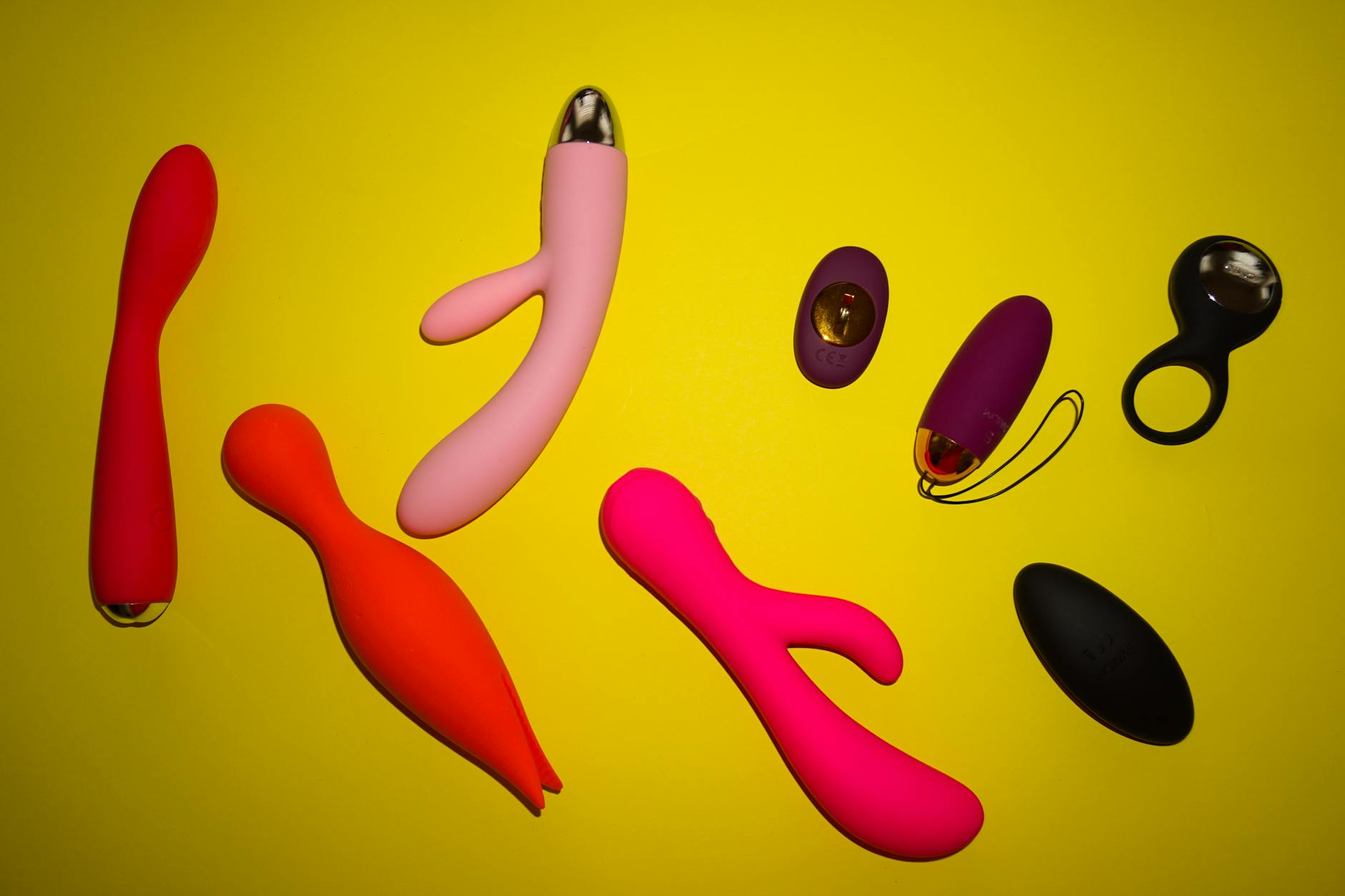
Photo by Ron Lach on Pexels
When to involve a partner
If you're in a relationship and restarting intimacy together, this gets more complicated. Your partner might have their own grief about the intimacy gap. They might worry that using a toy means they're not enough. Here's what actually helps.
First, tell them before you start. Not as "I need a toy because you're not working." Frame it as "I'm trying to help my body remember how to feel pleasure again. This is a tool that helps me do that independently." The key word is independently. A lemon vibrator for your own recovery is completely different from introducing it as a couples' thing.
Second, let them know the timeline will be longer than they might expect. Depression recovery and sexual recovery operate on different schedules. Being patient with your body's timeline is not the same as being distant from your partner. You can have conversations, cuddle, be physically affectionate without having sex. Keep connection going while sensation reboots.
Third, when you do bring a partner back into physical intimacy, a lemon sucker actually helps with the transition. If you've learned that suction-based stimulation feels accessible, you can try it together. Using it on yourself while your partner is present is different from using it alone. That difference helps your body understand that pleasure with someone else is safe.
Many people who restart intimacy after depression find that they were avoiding physical touch altogether out of shame or fear. A lemon vibrator makes physical intimacy about sensation and information, not about performance or proving that things are "back to normal." That makes it easier for partners to re-engage.
The weird part nobody talks about
Sometimes sensation comes back, but it feels different than it used to. Sharper, or duller, or off-center. This is actually normal and usually temporary. Your nervous system is recalibrating. You're not broken. You're healing.
If orgasm doesn't feel like it used to, give it time. The mechanics are the same. The neural sensitivity will catch up. Some people find that when sensation does return, their orgasms are actually stronger than before depression. There's no predicting how your body will reorganize itself. Just let it.
One more thing. If you're on antidepressants and sexually-related side effects don't improve after 3-4 months, talk to your doctor again. There are options: timing adjustments, switching medications, or adding something else. Sexual health is part of mental health. Any good psychiatrist knows this.
How a lemon clitoral vibrator fits into the bigger picture
The Lem isn't magic. But it's useful because it doesn't ask your body to feel subtle sensation while your nervous system is still learning how to feel anything. It creates intensity that even a post-depression body can register. That's not a workaround. That's good design.
When you're rebuilding intimacy after depression, you need tools that work with your current nervous system, not tools that require you to already be "fixed." A lemon vibrator is that kind of tool. So is therapy. So is patience with yourself. So is honesty with your partner.
Your pleasure isn't gone. It's just temporarily buried under depression's anesthesia. The fact that you're thinking about bringing it back is the first step. The vibrator is the second.
People also ask
Why does depression make sensation feel numb even when I'm feeling better mentally?
Your brain and your body heal on different schedules. Mental clarity can return in weeks. Physical sensation often takes months. This is because depression affects both neurotransmitter production (which affects mood) and the vagus nerve's responsiveness (which affects physical feeling). Your brain can rebalance serotonin faster than your nervous system can relearn how to process touch. This gap is completely normal and doesn't mean anything is wrong.
Can antidepressants make it harder to feel pleasure with a vibrator?
Yes, some antidepressants reduce genital sensation as a side effect. SSRIs are the most commonly reported culprits. But this side effect usually improves over time as your body adjusts, typically within 3-6 months. A lemon vibrator can actually help because suction-based stimulation creates more pressure than your hand, making it easier to feel something even if sensitivity is reduced. If side effects haven't improved after several months, talk to your doctor about adjusting your dose or timing.
How do I know if I'm ready to involve a partner in lemon vibrator use?
You're ready when you've spent at least 2-3 weeks exploring sensation on your own and you feel less anxious about whether your body "works." You don't need to be having consistent orgasms. You just need to feel less scared of your own body. Then, you can introduce the idea to your partner as something that helps you feel safer, not something that replaces them. Start by using it on yourself while they're present, then let that evolve.
Is it normal to feel nothing the first time I use a lemon vibrator after depression?
Completely normal. Your nervous system might need several sessions before it registers the sensation as pleasant rather than just "something happening." Think of it like turning up the volume gradually. The first week might feel like nothing. By week two or three, you'll notice physical response. Sensation doesn't flip on like a switch. It builds.
Will my pleasure feel the same as it did before depression?
Maybe not immediately, and possibly never exactly the same. But that's not bad. Some people find their pleasure feels stronger after depression because they've learned to value it differently. Others find it takes a few months to feel familiar again. Your nervous system will reorganize itself. Just give it time. A lemon vibrator helps you access pleasure while that reorganization is happening.
Should I tell my therapist that I'm using a vibrator to rebuild sensation?
If you have a therapist, yes. Not because it's weird, but because it's information about your recovery process. A good therapist will see this as a healthy step toward reconnecting with your body. If your therapist reacts poorly, they're not the right fit for you.
The bottom line
Depression doesn't end your capacity for pleasure. It just temporarily disconnects you from it. A lemon vibrator is a concrete tool that helps you rebuild that connection while your nervous system is still healing. Paired with patience, a little rhythm, and honest communication with yourself or a partner, it's a genuinely useful part of restarting intimacy.
Your body is smarter than you think. It will remember how to feel. You just need to give it time, the right tools, and permission to heal at its own pace. That's not settling. That's being realistic about how recovery actually works.