Let's talk about the thing nobody wants to admit
Vulva pain during partnered sex happens way more often than people discuss. You're not broken, and your partner isn't failing. The intersection of physical sensation, emotional safety, and partnership dynamics creates a specific problem that generic sex advice can't solve.
Here's what I see in couples therapy: pain shows up, shame arrives shortly after, and then the whole relationship around sex gets smaller. The lemon vibrator, used thoughtfully with a partner, can actually reverse that pattern.
Why vulva pain stalls pleasure with a partner
When pain arrives, the nervous system learns to brace. Even before penetration happens, tissues tighten in anticipation. Your partner senses the shift. They pull back. You feel guilty for the pullback. Suddenly you're both managing fear instead of accessing pleasure.
Vulva pain has lots of sources: vulvodynia, endometriosis, pelvic floor tension, scarring, hormonal shifts, or sometimes just the interaction between your body and your partner's approach. The physical cause matters for treatment, but the relational piece matters equally.
When you're trying to manage pain while also performing pleasure for someone else, your nervous system can't relax. You're doing emotional labor on top of physical discomfort. That combination teaches your body that partnered sex isn't safe.
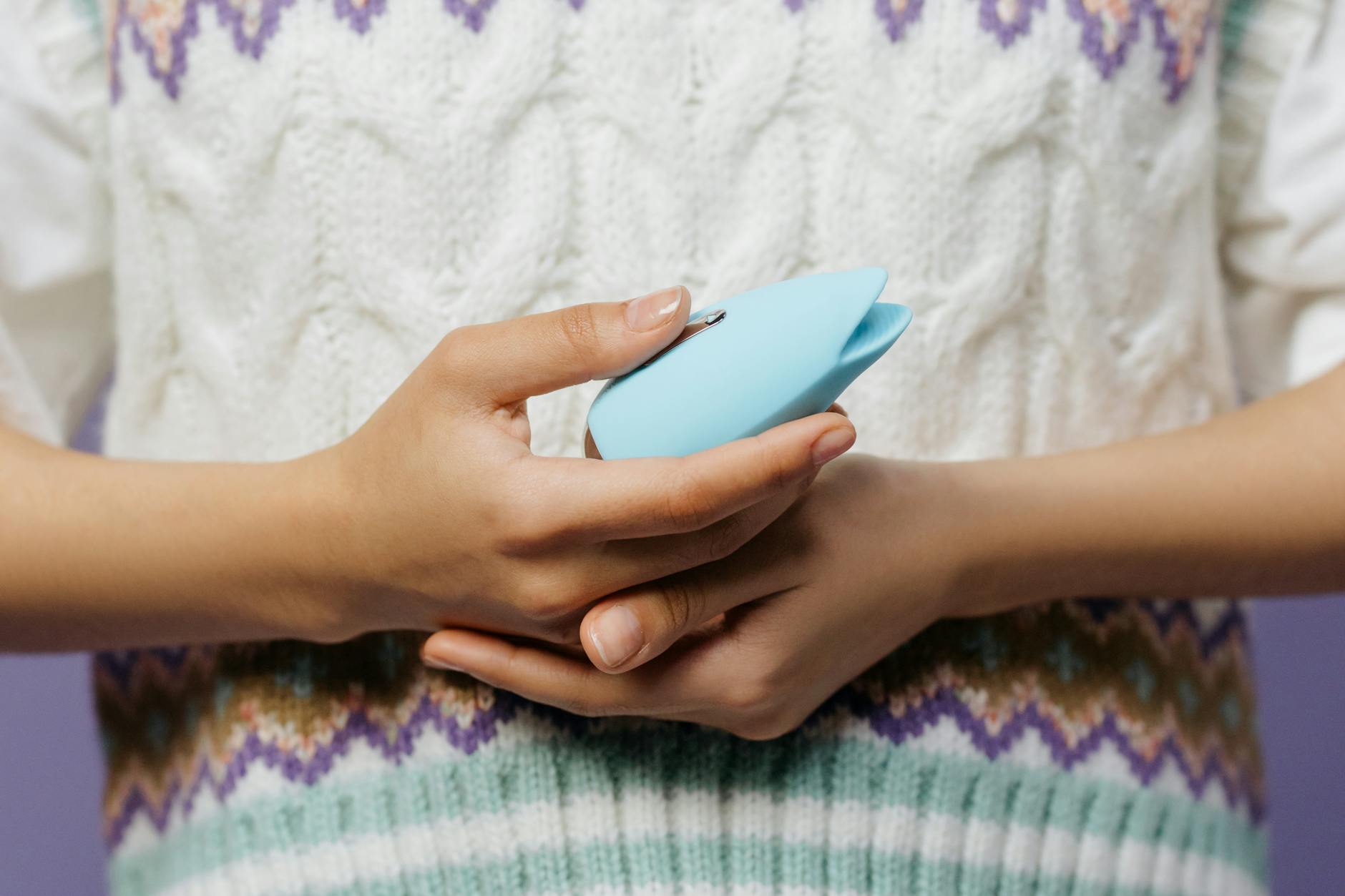
Photo by cottonbro studio on Pexels
The communication piece comes first
Before you bring a lemon vibrator into this conversation, you and your partner need to separate pain from performance. That means saying things like: "I have pain, and that's not about how I feel about you. I need us to approach this differently."
Most partners want to help but don't know how. They often interpret pain as a signal that they're doing something wrong, which makes them hesitant to initiate anything at all. That hesitation can feel like rejection, even though it's actually care.
The conversation that helps: "I want to explore what feels good to me first, solo or together, without the goal of penetration. Then we can figure out what works for both of us." This reframes the whole dynamic from "managing pain during sex" to "discovering pleasure in a way that respects my body."
Your partner needs to know that supporting you here isn't settling. It's actually the foundation of better sex long-term, because you're both learning what actually feels good instead of defaulting to scripts.
Why a lemon clitoral vibrator changes the game
The clitoris has a different sensation profile than penetrative areas. When vulva pain is located internally or around the opening, the clitoris often remains a pleasure source that doesn't trigger pain.
A lemon vibrator, with its suction-based stimulation, offers a few advantages for partnered situations. First, it doesn't require direct friction. You can control the intensity yourself, which means you're managing sensation rather than your partner's rhythm managing it for you. That agency matters neurologically. Your nervous system relaxes when you're in control.
Second, the suction approach spreads stimulation across a wider nerve field instead of concentrating pressure. That often feels less intense, less likely to activate pain responses. With a partner, this means you can experience pleasure together without your body bracing against discomfort.
Third, it creates a clear boundary. You're using the lemon vibrator for clitoral pleasure while your partner engages differently. That separation can actually deepen intimacy because you're not asking your partner to perform miracles in a pain-trigger zone.
How to introduce this without awkwardness
Don't lead with "I need this because of pain." Lead with "I want to explore this because it feels amazing." Those are both true. Separating them prevents your partner from feeling like they're being asked to solve a medical problem.
Start solo first. Use your lemon vibrator alone until you know what feels good: which patterns, which intensity levels, how long you need for arousal. That information is gold when you're using it with a partner, because you can actually guide them ("like that, but a touch slower") instead of hoping they guess.
When you do introduce it with a partner, frame it as an expansion: "I want to use this during partnered time because I think it'll help us both feel better." Then actually show them. Let them see you access pleasure. That's more powerful than any conversation.
If your partner seems hesitant, check in: "Does this feel less intimate to you?" Often the answer is yes, and it's worth naming. But also name this: pleasure together, in whatever form it takes, is more intimate than pain managed in silence. A lemon vibrator doesn't replace your partner. It creates a bridge to partnered pleasure that your body can actually access.
The physical setup that actually works
Position matters when you're using a lemon clitoral vibrator with a partner. You need access to your clitoris while also being close enough to feel connected.
On top gives you control and lets your partner be present without controlling motion. Side-by-side or spooning lets your partner enter from behind while your hands are free for the vibrator. Many couples find that partnered touch in non-pain zones (thighs, chest, mouth) while the vibrator does clitoral work creates a sense of shared experience without the pain trigger.
Start with lower intensity patterns. Your nervous system needs to learn that this new approach is safe. That learning happens gradually. If you jump to high intensity right away, you might trigger the same bracing response you're trying to move past.
Lube is important here too. Even if pain isn't a lubrication issue, having more moisture reduces any residual friction and signals to your body that this is safe. Reapply as needed.
What happens in your nervous system
When pain has been part of partnered sex, your body learns a fear response. Over time, that fear can extend beyond the specific pain zone. You start bracing your whole pelvis, your breathing gets shallow, your pleasure receptors dim.
Using a lemon vibrator with a partner can actually help retrain that response, because you're in control of the stimulus. You're choosing the sensation. You're building positive associations with partnered pleasure in a way that doesn't require you to override pain signals.
This isn't a forever fix if there's an underlying cause (endometriosis, pelvic floor dysfunction, etc.). Those need medical attention. But while you're working with a doctor or pelvic floor specialist, the vibrator helps maintain the relational connection instead of watching sex disappear.
When it's time to see a specialist
Vulva pain that's new or worsening deserves medical evaluation. A gynecologist trained in sexual health, or a pelvic floor physical therapist, can often identify whether this is muscular tension, tissue-based pain, or something else. That information changes the approach.
Some people benefit from topical anesthetics that let them access pleasure while pain treatment is underway. Others find that pelvic floor therapy, done alongside a vibrator practice, accelerates nervous system rewiring. A few discover that their pain was rooted in something simple, like a position change or a lube type, once they had proper assessment.
The point: a lemon vibrator is a tool for reclaiming pleasure while you're addressing root causes, not instead of addressing them.
The relationship part, which is really the whole point
Pain in partnered sex tests couples. It asks both people to move past scripts and actually communicate. Some relationships get stronger through that reckoning. Some don't.
If your partner is unwilling to adapt, unwilling to hear that pain exists, or unwilling to explore alternatives, that's information too. Your body's signals matter. Your pleasure matters. A partner who dismisses either is showing you something about the relationship.
But many partners are relieved when you name the pain and offer a pathway forward. They've been worried. They've been trying to figure out what they were doing wrong. Suddenly there's a map: we can use a lemon vibrator, we can explore clitoral pleasure, we can rebuild this together.
That shift changes everything. Not because the vibrator is magic, but because you're finally on the same team.
People also ask
Can using a lemon vibrator make vulva pain worse?
Not if you start low and slow. Many people with vulva pain find that the suction-based approach of a lemon clitoral vibrator feels gentler than direct stimulation. The key is respecting your body's signals. If something triggers pain, stop immediately. Over time, as your nervous system learns that clitoral pleasure is safe, you can often explore higher intensities. But there's no timeline here. Your pace is the right pace.
Should I use a lemon vibrator solo first before trying it with a partner?
Yes. Using a lemon vibrator alone helps you map what feels good without any performance pressure. You learn your own preferences, your body's response patterns, and what intensity is actually pleasurable versus what's just stimulation. That knowledge makes the partnered experience easier and more grounded. Plus, solo exploration often helps rebuild confidence after pain has made sex feel unsafe.
What if my partner feels like the vibrator is replacing them?
That's a real feeling, and it's worth addressing directly. Have the conversation: "This isn't about you not being enough. It's about my body needing a different approach right now. I want us to be close during this." Then show them. Use the vibrator while you're touching them, kissing them, making eye contact. Let them see that the vibrator is a bridge to partnered pleasure, not a substitute for it. Many partners actually feel more connected once they see their partner accessing genuine pleasure.
How do I know if my vulva pain needs medical attention versus just being nervous system tension?
If pain is new, getting worse, or present even without penetration, medical evaluation is worth pursuing. A gynecologist or pelvic floor specialist can usually narrow down the cause. But nervous system tension is real too. Sometimes both things are happening at once: there's a mild physical irritation, and your nervous system has amplified it into a bigger pain response because of past experiences. Medical assessment helps you know which piece you're addressing.
Can a lemon sucker vibrator help with pain from past sexual trauma?
Trauma-related pain often involves the nervous system bracing and not trusting partnered situations. A lemon vibrator can be part of healing because it gives you control and helps you rebuild positive associations with pleasure. But trauma work usually benefits from therapy alongside physical exploration. A trauma-informed therapist and a sex-positive physical therapist working together create the best foundation. The vibrator is a tool within that larger healing, not the whole solution.
What if pain only happens with one partner but not another?
That's actually common and often points to relational dynamics rather than purely physical causes. Some partners' body size, technique, or emotional presence triggers your nervous system's fear response. Others don't. That information is valuable. It's worth exploring whether the pain is purely physical or whether the relationship dynamics are contributing. Sometimes it's both. A pelvic floor specialist and a couples therapist can help you sort that out.
What comes next
Vulva pain with a partner is solvable. Not always easily, not always quickly, but solvable. The path forward involves medical support if needed, clear communication, and tools like the lemon vibrator that let you access pleasure on your body's terms.
Your pain is real. Your desire to feel good is also real. Those things can coexist while you figure out a path that honors both. Start with a conversation. Then start exploring. Your nervous system, and your partnership, will thank you.
If you're stuck on where to begin, reach out. We can map this together.