Here's the thing about stress and libido
Stress doesn't just make you tired. It actually shuts down the neural pathways that create desire. Cortisol floods your system, your nervous system stays in fight-or-flight mode, and the part of your brain that processes pleasure goes quiet. This isn't a personal failing. This is biology.
What makes it worse is that most people expect desire to just bounce back once they get a weekend off. It doesn't work that way. Low libido from chronic stress requires intentional rebuilding, not willpower.
Why stress kills arousal before anything else
Your body prioritizes survival over pleasure. Always has, always will. When you're juggling deadlines, managing conflict, or running on four hours of sleep, your brain treats that as a threat. Cortisol and adrenaline climb. Oxytocin, dopamine, and the hormones that fuel desire drop.
Women report particularly steep libido crashes during stressful periods. Men experience it too, though they're less likely to talk about it. Partners notice the shift and often blame themselves. Then resentment builds. Then the relationship stress becomes another layer of cortisol on top of everything else.
That's the pattern I see most often in my practice. Stress kills arousal. Arousal loss creates conflict. Conflict creates more stress. The cycle spirals.
The good news? It's reversible. But you have to approach it differently than you would if you were just trying to spice things up.
Why a lemon vibrator works when desire is stuck
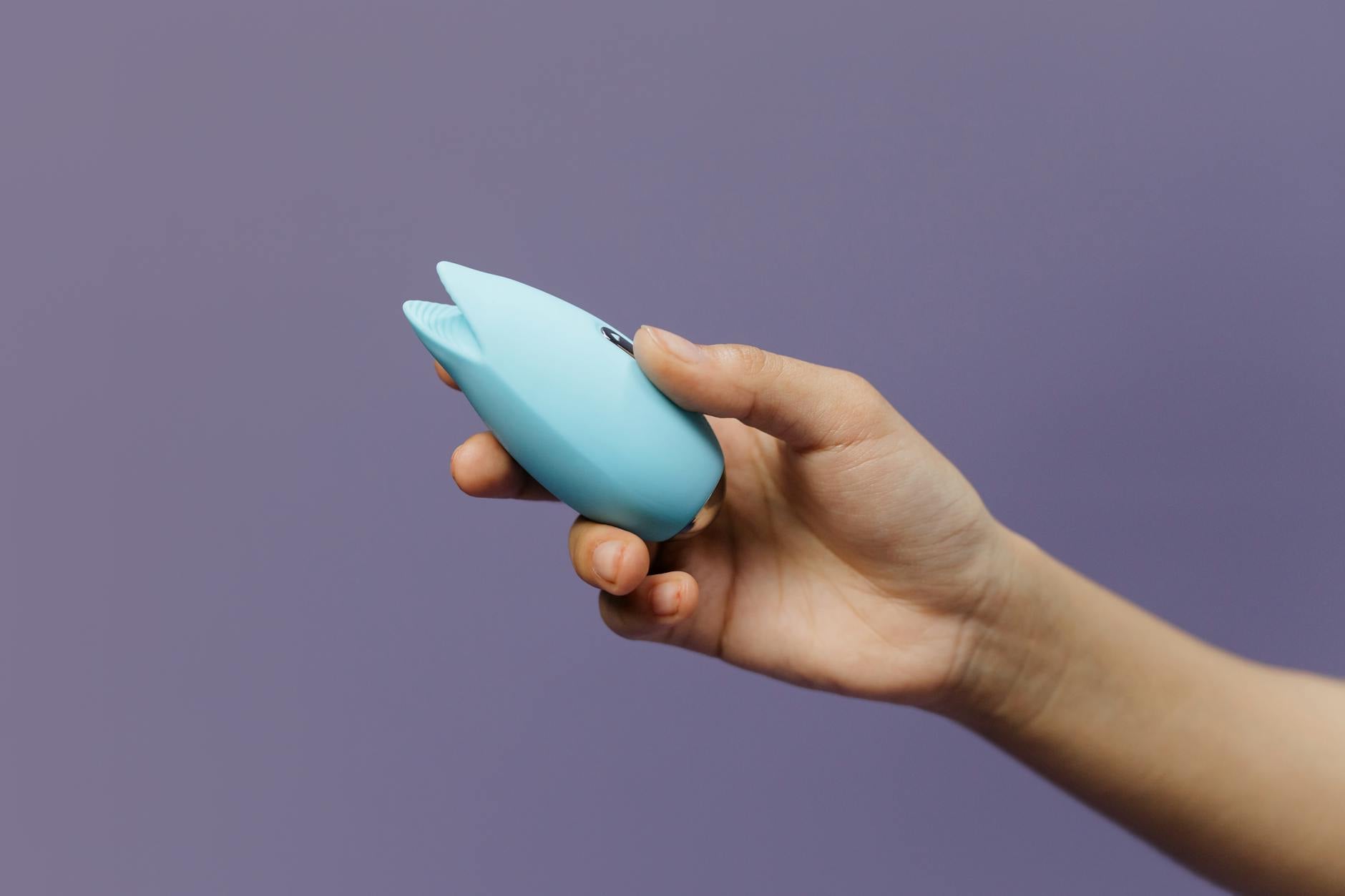
A lemon sexual toy like the Lem bypasses the motivation problem entirely. You don't need to feel like it's a good idea. You don't need to be in the mood. You can literally just turn it on.
Here's what happens: the sensation from a clitoral vibrator stimulates nerves directly. This creates pleasure signals that travel to your brain independent of whether you consciously want to be aroused. Your body starts releasing dopamine. Oxytocin begins flowing. After a few minutes, the neural pathways wake up.
It's not magic. It's priming. You're creating the biochemical conditions for arousal to return, rather than waiting passively for desire to show up on its own.
Lemon vibrators specifically are gentler than many clitoral toys because of the suction mechanism. When you're stressed, your pelvic floor tenses. You might feel sore with direct vibration. Suction creates a different kind of stimulation that works better on a defended body.
The stress-arousal restart protocol
Don't treat this like a performance. Treat it like a nervous system reset. Here's what actually works:
Set a time that's protected from interruption. Ten minutes. Phone off. Door locked. Most people try to fit this in between tasks, which defeats the purpose. Your nervous system needs to know it's safe to drop the guard.
Start without the goal of orgasm. This matters hugely. The moment you add the pressure of climax, you've reintroduced performance anxiety. Instead, the goal is sensation. Can you notice what the toy feels like? Can you breathe? That's the whole point.
Warm up with the lowest setting. Your stress response has probably numbed you a bit. Start at setting one or two on your lemon clitoral vibrator. Let your body gradually wake up. You can always increase intensity later.
Use this as a couples tool if you have a partner. Have them sit quietly nearby while you use it alone. Not watching. Just present. This rebuilds the association between arousal and the presence of your partner without the pressure of partnered sex. Many couples tell me this single shift changes everything.
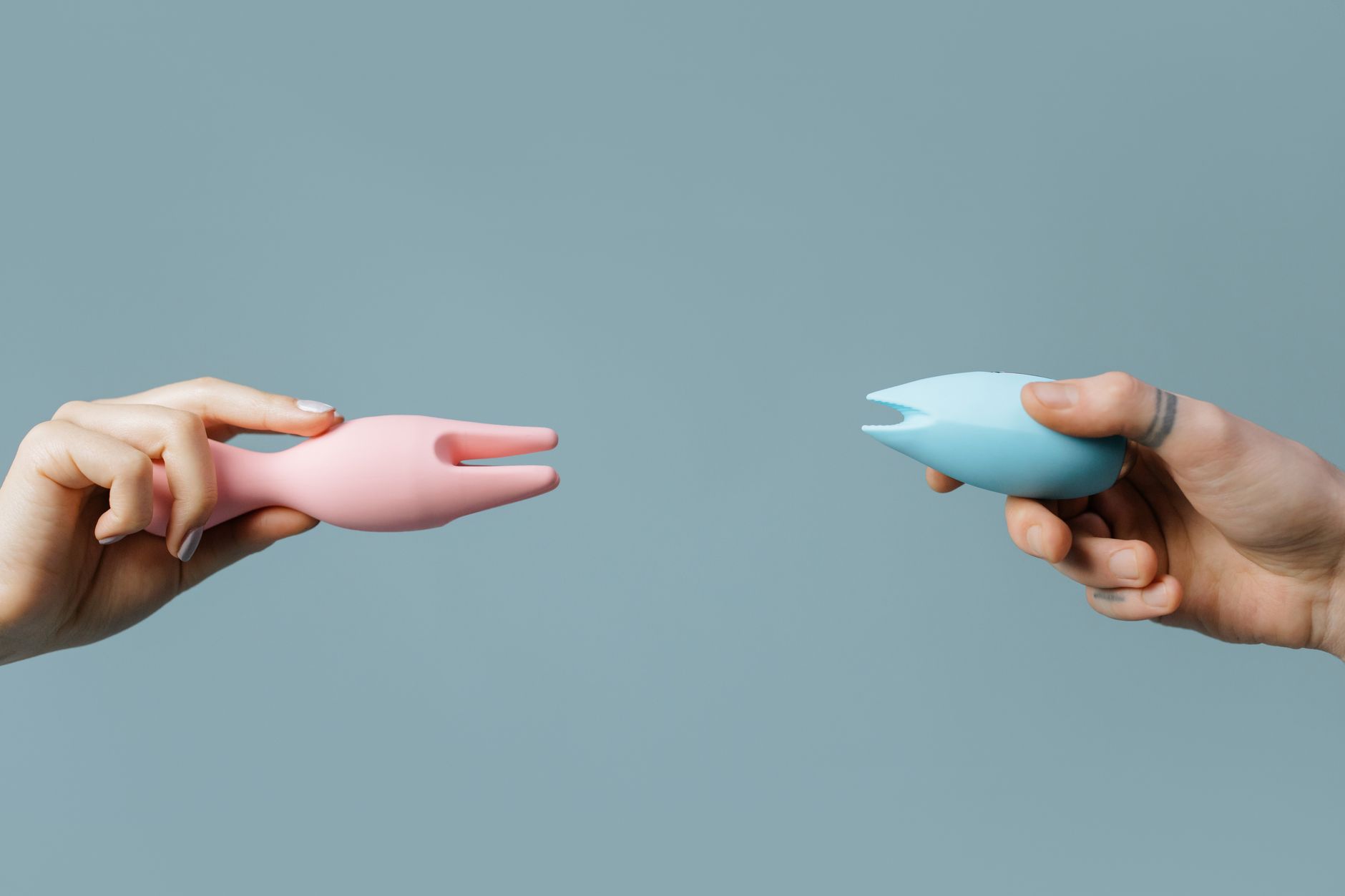
Photo by cottonbro studio on Pexels
What stress-depleted arousal actually feels like
When libido crashes from stress, it doesn't always feel like numbness. Sometimes it feels like guilt. You think, "I should want this," and then shame spirals on top of the stress. Other times it feels like anxiety. Your body tenses before anything sexual is even proposed.
Some people describe it as a persistent distraction. Desire starts to build, and then your brain involuntarily reviews everything on your to-do list. Your body disengages automatically.
This is your nervous system protecting you. It believes you're in danger and that pleasure is a distraction you can't afford. The solution isn't to override that. It's to communicate to your nervous system that safety exists in this moment.
A lemon vibrator helps because it's a form of communication with your own body. You're essentially saying, "I'm choosing pleasure right now. Let's practice together."
The timeline for desire to return
Don't expect a dramatic shift in one session. Rebuilding arousal pathways takes about three to four weeks of consistent practice. Two or three times per week, you use the toy for pleasure. No agenda. No outcome requirement.
Around week two, most people notice something shift. It's not always an orgasm. Sometimes it's just that your body takes longer to leave the arousal state. You feel warmth that lasts a few minutes after you finish. That's the nervous system recalibrating.
By week four, many people find that partnered desire starts returning too. Not because the stress is gone, but because your body remembers that pleasure is available.
I recommend setting a calendar reminder. Literally block it. Treat it like a medical appointment, because physiologically, it kind of is. You're treating a stress response with nervous system rehabilitation.
When to address the stress itself
Here's where I need to be direct. Using a lemon clitoral vibrator to restart arousal is helpful. But it's not a substitute for addressing the underlying stress.
If you're managing impossible deadlines, that needs to change. If your relationship itself is the stressor, that needs attention. If you're running on sleep deprivation and that's chronic, your body will keep shutting down arousal no matter how good the toy is.
Use this protocol to rebuild the arousal capacity while simultaneously addressing what's actually stressing you out. Talk to your partner. Set boundaries at work. See a therapist. Cut back on commitments.
The lemon sexual toy is a tool. It's not a band-aid on a deeper problem. But used alongside real stress reduction, it's remarkably effective at waking up desire that stress has put to sleep.
FAQ
How often should I use a lemon vibrator when rebuilding arousal from stress?
Two to three times weekly is the sweet spot. More than that and it can feel like another obligation. Less than that and your nervous system doesn't get enough repetition to rewire the arousal pathways. Consistency matters more than frequency.
Can using a clitoral vibrator actually lower my stress levels?
Yes, measurably. Orgasm triggers the release of oxytocin and endorphins. These actually reduce cortisol and activate the parasympathetic nervous system. The challenge is reaching orgasm when stress has your nervous system locked down. That's why the gradual buildup over several weeks works better than expecting one session to fix everything.
What if my partner feels threatened by me using a lemon vibrator to rebuild desire?
This is worth a real conversation. Some partners worry that it means you don't desire them. But the truth is, you don't currently desire anyone, including yourself. This is about rebuilding your own capacity. Frame it that way. If they're willing to be present during the process without watching, that often shifts the dynamic. If they resist despite this framing, how to introduce a lemon vibrator when your partner resists toys has more strategies.
Is numbness during stress-related libido loss permanent?
No. Numbness is a protection response, not nerve damage. Your body is still capable of sensation. The neural pathways just need to be reactivated. A lemon clitoral vibrator does this faster than waiting for desire to spontaneously return because it directly stimulates the sensory pathways while you manage the stress separately.
Should I tell my partner about using a toy to restart arousal, or is this private?
It depends on your relationship dynamic, but I lean toward transparency. Hiding it often creates more distance than openness does. Many couples find that reframing this as "I'm rebuilding my arousal capacity during a stressful period" feels collaborative rather than secretive. If you have a partner, consider inviting them into the process.
How is stress-related low libido different from other kinds of desire loss?
Stress-related desire loss is acute and reversible. It typically appears after a specific stressful period begins and lifts as the stressor reduces and arousal capacity is rebuilt. Other causes, like hormonal shifts or relationship rupture, require different approaches. If your low libido doesn't respond to four weeks of consistent tool use plus stress reduction, it might be worth talking to your doctor about other factors.
The path forward
Stress-depleted arousal is one of the most common reasons people contact me. And it's also one of the most fixable. Not because a lemon vibrator is magic, but because it gives your nervous system permission to practice pleasure while you're actively addressing what stressed you out in the first place.
Your desire didn't disappear because something is broken. It disappeared because your body was trying to protect you. The protocol above is how you tell your nervous system, "I'm safe enough now. Let's come back online."
If you have a partner, this process can actually deepen intimacy during a stressful period because you're being honest about where you are instead of faking it. If you're alone, it's a way to maintain your relationship with your own pleasure while life is demanding.
Desire returns. But it needs conditions: safety, time, consistency, and tools that work with your stressed body rather than against it. Start with those, and most people find their way back.