Starting over is its own kind of transition
You're not the same person you were five years ago. Your body shifted. Your priorities shifted. Maybe your marriage ended, or you're exploring partnered pleasure for the first time in decades. Now there's someone new, and everything feels like a first date and a negotiation at the same time. That's not anxiety talking. That's just accurate.
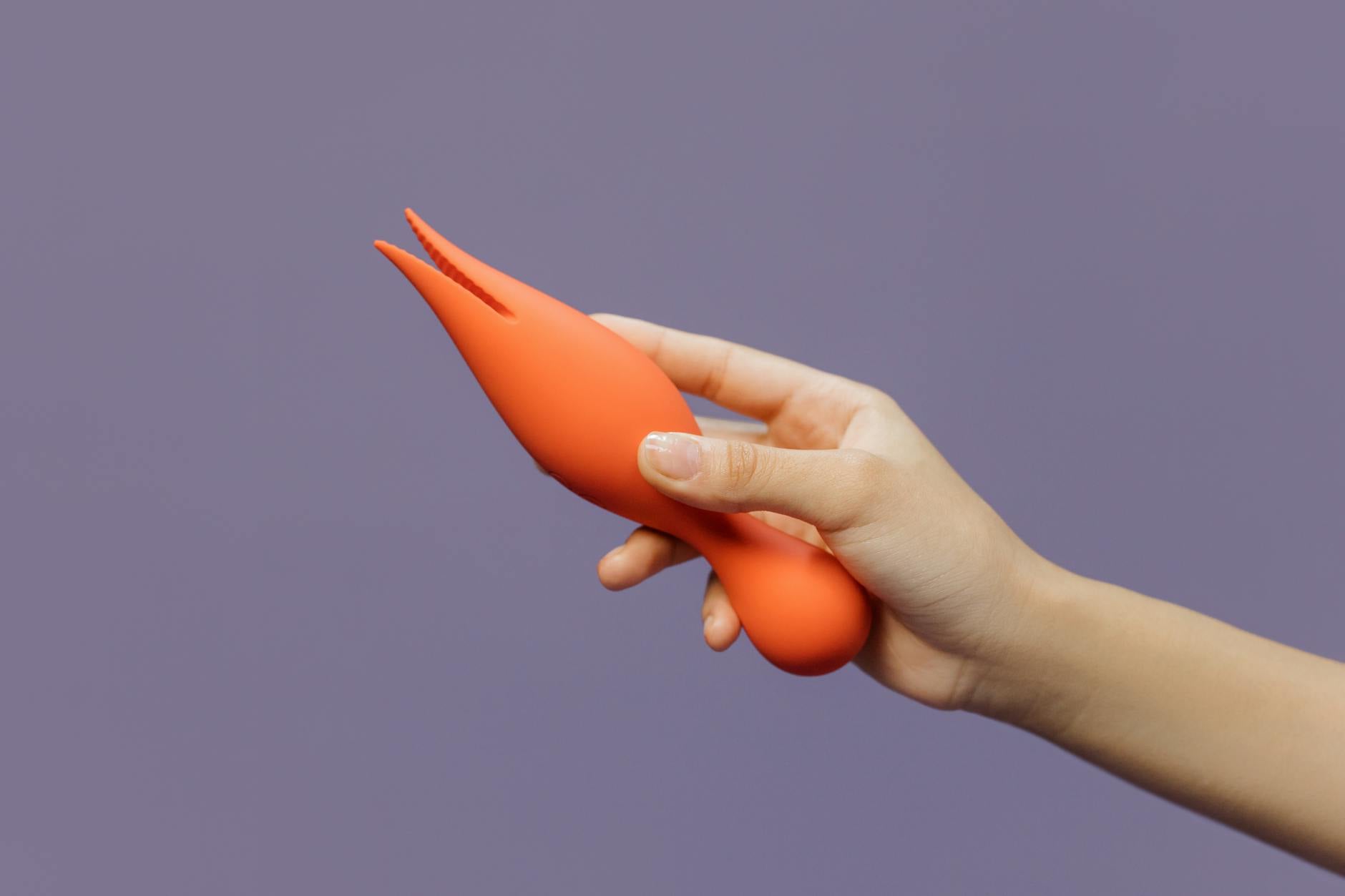
Menopause plus a new partner is a specific kind of friction. Your nervous system is rewiring itself. Your tissues are thinner. Your arousal timeline has changed. And you're trying to build intimacy with someone who doesn't know your history, your preferences, or what you need. A lemon clitoral vibrator isn't a workaround for any of that. It's actually the conversation starter you've been looking for.
Why a lemon sucker works better than what you've tried
If you used traditional vibrators before menopause, you know the drill. Direct stimulation feels good until suddenly it doesn't. Post-menopause, that threshold gets narrower. Thinner tissue means direct vibration can feel too intense, too fast, or weirdly numb depending on the day.
A lemon vibrator uses air-suction technology instead of pure vibration. That changes everything. Suction pulls the clitoral tissue gently into a chamber, creating rhythmic pressure and release rather than direct friction. With post-menopausal tissue, that feels like expansion instead of grinding. It's stronger, more consistent, and weirdly less tiring.
Here's the thing about bringing this into a new relationship. It's not a statement that something's wrong with the intimacy you're building. It's the opposite. It's you saying, "I know what my body needs now, and I'm not willing to settle for guessing." That confidence is massively attractive.
The conversation before you introduce it
Okay, so you're thinking about bringing a lemon clitoral vibrator into partnered time. The instinct is to do it quietly, maybe during sex, and hope they don't notice or make it weird. Don't do that. The weirdness lives in the secrecy, not the toy.
Have the conversation before it's in the bedroom. "I've been thinking about what feels good right now in my body," is a perfectly normal opener. You're not asking permission. You're sharing information. "Menopause changed how my clitoris responds to stimulation. Direct touch sometimes feels too intense. I've found that suction, like the kind a lemon vibrator creates, feels way better. I'd love to try that with you."
If your partner is worried they're not enough, address it directly. Most new partners worry that exactly. "This isn't about you not being capable. It's about my body being different now. I want us to figure out what works together." That shifts the whole frame from replacement to collaboration.
If they hesitate, read that carefully. Hesitation about your pleasure in a new relationship is information. Not a dealbreaker necessarily, but information worth taking seriously. A partner who wants to learn your body is one worth staying with. A partner who wants to stay ignorant is one you can probably skip.
The solo setup first
Don't jump straight to partnered exploration. Use a lemon vibrator alone first, for two reasons.
First, you'll find your settings. If you haven't used suction toys before, the sensation is genuinely different. Start at pattern 1 or 2. Your clitoris will tell you what it wants. Most people find their sweet spot between patterns 2 and 4. Numbness means you're going too intense or too long. Step back. Pleasure isn't a volume dial where more equals better.
Second, you rebuild your own baseline. New-relationship energy is a specific kind of rush. Add menopause brain fog and you might lose track of what actually feels good versus what feels good because it's happening with someone new. Solo time with a lemon vibrator reminds you. You deserve orgasms that feel exactly like your body wants them to feel, not like a negotiation.
Spend a week or two here. Two or three times a week, twenty minutes, exploring. Note what patterns hit, what temperatures (some people find running the toy under warm water first changes the sensation), how long you need to warm up. This is data for both you and your partner.
Bringing it into partnered time
Start with foreplay, not as a main event. You're kissing, touching, building sensation. Your partner's hand is exactly where you usually want it, and you introduce the lemon vibrator. "Let me show you what this feels like. I want you to see what makes me come."
That last bit matters. Lots of partners have never actually watched their lover orgasm. They've felt it, heard it, but haven't seen it. The lemon vibrator creates a really clear, visible pattern of response. Your pelvis will shift. Your breath will change. Your clitoris will react in ways your partner might not have noticed before. That visual feedback is bonding. It's also educational. They learn how your body works.
After the first time, ask what they noticed. Did the rhythm seem consistent? Did they see when you were building toward orgasm? What turned them on about watching? That conversation is intimacy work. It's also foreplay for next time.
Once you're comfortable, a lemon vibrator works really well if your partner is inside you or touching you elsewhere while you use it. The sensations stack. You get clitoral stimulation from the suction, internal sensation from them, and the mental experience of being wanted and attended to. That combination is often stronger than solo use.
Managing the reality that some days are harder
Menopause is not a line you cross into clarity. It's a long, messy, non-linear process. Some days your clitoris is sensitive and responsive. Other days it feels like it's under anesthesia. Some days a specific pattern on the lemon vibrator changes your life. Other days that same pattern does nothing.
Your new partner needs to understand that this isn't rejection. It's biology. On the days when sensation is flatter, you might need a slower buildup, a different pattern, or just to skip partnered sex and take care of yourself solo. That's not a failure of the relationship. That's you honoring your body.
A good partner will get curious about this. "Is today a pattern-2 day or a pattern-4 day?" That curiosity is what you're looking for. They're learning you, not trying to fix you.
When to loop in a doctor
If pain shows up, mention it. Genitourinary syndrome of menopause is real and treatable. A good GP or gynecologist can prescribe topical estrogen that rebuilds tissue thickness and elasticity. It's often the actual solution that makes everything easier, including clitoral sensation. That's not weakness. That's using the tools available.
If desire is completely flatlined despite everything else being good in the relationship, that's also worth talking to someone about. It might be hormonal. It might be stress. It might be that your nervous system is still processing the transition. A therapist or a menopause specialist can help you figure out which.
Building confidence instead of faking it
New relationships after menopause ask a lot of you. They ask you to be vulnerable about a body that feels unfamiliar to you. They ask you to ask for what you need when you've probably spent years adapting to what someone else wanted. They ask you to trust that someone new actually cares about your pleasure.
A lemon clitoral vibrator is part of that conversation, but it's not the whole thing. It's a tool that makes your body's actual response visible and accessible. It buys you time and permission to figure out what you actually want instead of what you think you should want.
That's the real shift after menopause. Not that your body is broken. It's that you finally have permission to stop pretending it works like it used to. You get to redesign pleasure from scratch. With a new partner, that redesign happens together. That's not settling. That's building something better.
People also ask
How long should I use a lemon vibrator in one session?
Start with ten to fifteen minutes solo. Your tissues need time to warm up and respond, especially post-menopausal tissue. Longer isn't always better. If you hit numbness, you've gone too long. The goal is pleasure, not endurance. In partnered time, you might use it for five to ten minutes as part of foreplay, then shift into other touch. Listen to your body. If it says stop, you stop.
Can I use a lemon vibrator if I'm taking hormone replacement therapy?
Absolutely. HRT might actually make clitoral sensation more accessible. You'll likely notice that as your tissue rebuilds, sensation becomes more consistent and responsive. A lemon vibrator just makes that sensation easier to access. You might find you need different patterns than you did before HRT kicked in. That's normal. Your body's changing.
What if my new partner feels threatened by me using a vibrator during sex?
That's a conversation, not a problem to solve for them. Stay calm. "My body works differently now. This helps me orgasm. That's good for both of us. I need you to work with me on this." If they can't get there after that conversation, that's information about their capacity for partnership. You don't owe anyone your sexual pleasure as the price of being with them.
Is there a lemon vibrator that's specifically designed for people with sensitive clitorises?
Most suction vibrators work well for sensitivity because suction is gentler than direct vibration. The lemon vibrator (also called the Lem) is specifically designed with patterns that start slow. Start at setting 1 or 2 even if you think you want more. Your clitoris will tell you when to turn it up. Some people never go above pattern 3. That's perfect.
How do I explain to a new partner why I need a lemon vibrator when they might think their hands or body should be enough?
Be direct. "My clitoris needs a specific kind of stimulation right now. It's not about your body. It's about what my body needs." Then show them. Let them watch what happens when you use it. Let them feel the sensations. Make them part of the solution instead of the problem. Most people, when they actually understand what's happening, want to help.
Can I use a lemon suction vibrator if I have vaginal dryness after menopause?
Yes. Lemon vibrators don't require lubrication the way friction-based toys do. They work on the external clitoris, not internally. That said, you might still want to use water-based lubricant on the vulva for comfort during foreplay or if your partner is touching other areas. Just avoid silicone lube if you're using silicone toys. It degrades the material.
The real shift
Menopause plus a new partner is actually an opportunity. You get to build a relationship with someone who never knew the old version of your body. They don't have comparison. They have only what you tell them and what you show them. A lemon clitoral vibrator is just the tool that lets you show them what works. The rest is communication, curiosity, and the willingness to figure this out together. That's the relationship worth having.
If you're ready to explore, start with you. Solo time with a lemon vibrator gives you the confidence and the data to bring this into partnered space. Then bring the conversation. Then bring the toy. Everything else follows.