
How to Use a Lemon Vibrator When Sensation Feels Numb After Starting Antidepressants
Let's be real. You started antidepressants to feel better, and now you can't feel much of anything below the waist. That's not a personal failing. It's a known side effect, and you're far from alone in experiencing it.
The numbness that follows antidepressant use is neurochemical, not psychological. It's also not permanent, and it's absolutely navigable with the right approach and tools. The key is understanding what's happening so you can work with your body instead of against it.
What antidepressants actually do to sensation
Most prescription antidepressants work by increasing serotonin availability in your brain. That's the part everyone knows. What's less discussed is that serotonin also regulates sensation, arousal speed, and the physical mechanics of orgasm.
When serotonin rises, a few things happen simultaneously. Neural signals travel more slowly in some pathways. The clitoris and vulva become less responsive to direct touch. Arousal takes longer to build. Orgasm, when it happens, might feel muted or distant.
This isn't the medication failing. This is the medication doing exactly what it was designed to do. Serotonin reuptake inhibitors smooth out signal transmission across your nervous system. That smoothing happens everywhere, not just in your mood centers.
The good news: your nerve endings are still there. Your capacity for pleasure hasn't evaporated. The signals are just traveling a different route.
Why traditional vibrators often stop working
Here's where most people get stuck. A standard vibrator that worked beautifully before the medication now feels like holding a phone on silent mode against your skin. The vibration is happening. You can see it. But the neural feedback loop that turns vibration into sensation has slowed down.
Direct, repetitive stimulation requires fast neural signaling. When that's dampened, you chase increasingly intense settings, which leads to fatigue without satisfaction. It's frustrating and usually makes people assume their body is broken.
It's not. It just needs a different kind of input.
How lemon suction vibrators work differently
A lemon clitoral vibrator uses suction, not vibration alone. That distinction matters enormously when sensation is muted.
Suction stimulates nerves in a broader, gentler way than direct vibration. Instead of trying to send a rapid-fire signal through dampened pathways, suction creates a sustained pressure change that activates a different set of nerve fibers. It's less about speed and more about presence.
Lemon vibrators, designed as gentle suction toys, essentially bypass the neural bottleneck that antidepressants create. You're not fighting against the medication. You're using a different sensory channel.
The lem vibrator's design is particularly useful here because it covers a wider surface area and allows for varied intensity without requiring you to crank up to painful settings.
Starting over with sensation after medication
Three practical steps to reintroduce pleasure:
Step one: lower your expectations about speed. Arousal now takes longer. Budget 20 to 35 minutes of warm-up instead of 10. This isn't laziness or loss of desire. Your nervous system is processing input differently. Honor that.
Step two: use suction before vibration. Start with the lemon clitoral vibrator on the lowest setting and let the suction do the work for several minutes. Your nervous system will gradually "wake up" to the input. Once you feel even mild tingling, you can add vibration or increase intensity.
Step three: experiment with rhythm over intensity. Most people assume numbness requires cranking the power to 10. The opposite is true. A pattern that pulses at your own arousal rhythm will engage your nervous system far more effectively than constant high intensity. Play with the lower settings and notice which patterns create the most sensation.
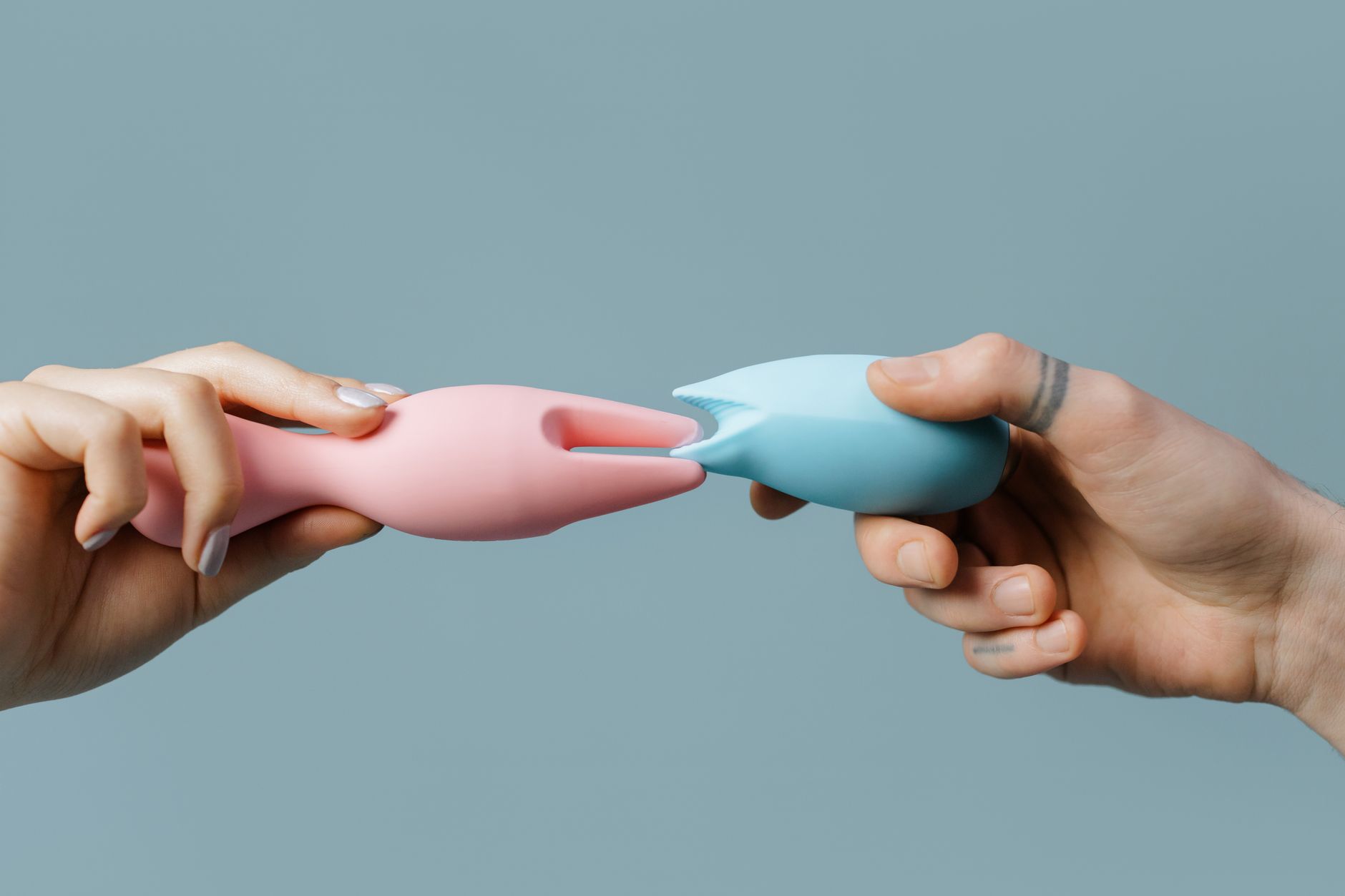
Photo by cottonbro studio on Pexels
When it's worth talking to your doctor
If sensation hasn't shifted at all after eight weeks, or if numbness accompanied by other changes (mood flatness, motivation loss), ask your prescriber about adjusting timing or dose. Some people find taking their medication at night instead of morning shifts when the peak effect hits. Others benefit from a lower dose or a different class of antidepressant with a milder sexual side effect profile.
This isn't giving up on the medication. It's advocating for yourself. A good prescriber expects these conversations and has options.
The emotional piece (which is as real as the neurochemical one)
Medicating for depression often means grieving the body you had before. You took the medication because you needed it. Your mind is steadier. Your mood is more even. And your pleasure got quieter. That's a real loss, even if the trade-off is necessary.
Most people skip this grief work and jump straight to "fix the numbness." That skip usually means the numbness stays longer because you're approaching it as a problem to solve instead of a transition to navigate.
You might need to have a separate conversation with yourself (or a therapist) about what it means that mental health and sexual sensation sometimes pull in different directions. That conversation doesn't invalidate either one.
How this connects to partnered pleasure
If you have a partner, they need to understand this is neurochemical, not about them or your attraction. The numbness isn't rejection. It's a side effect you're managing together.
Many partners assume the slowdown in arousal or intensity means something's wrong with the relationship. It doesn't. Explaining that your nervous system is processing sensation differently, and that you're learning new ways to experience pleasure, keeps the intimacy intact while you adapt.
The suction design of a lemon vibrator also works beautifully in partnered scenarios because it creates sensation without requiring intense reciprocal effort. If your partner is worried they're "not enough" anymore, showing them that external tools are about chemistry, not comparison, often shifts the dynamic entirely.
Timeline for recovery
Most people report noticeable shifts in sensation within three to six months as their nervous system acclimates to the new neurochemical baseline. Some feel change within weeks. A few take longer.
That acclimatization doesn't mean sensation returns to exactly what it was before. For many people, it becomes different but equally satisfying. The slowness that felt frustrating at first often becomes permission to stay present longer. The subtlety that felt like numbness becomes intimacy.
FAQ
What if I'm on multiple antidepressants? Does that make numbness worse?
Multiple medications can compound the effect, yes. Each one dampens signal transmission slightly. If you're on more than one psychoactive medication, the numbness might be more pronounced or take longer to resolve. This is another conversation worth having with your prescriber. They might adjust the dose of one medication or change the timing of when you take each one.
Can I stop taking my antidepressant to get sensation back?
Not recommended as a solo decision. Stopping antidepressants without medical guidance can trigger withdrawal symptoms and a return of depression. If the sexual side effects feel intolerable, talk to your prescriber about alternatives or adjustments. They exist, and they're worth exploring. But stopping unilaterally usually creates more problems than it solves.
Does sensation eventually return to normal without any tools?
Sometimes. Many people find that sensation gradually normalizes as their body acclimates to the medication, usually between three and nine months. But some people's baseline doesn't return fully, even after years. Using tools like a lemon clitoral vibrator isn't settling. It's accepting that your nervous system works differently now and finding pleasure within that new reality.
Is a lemon suction vibrator more effective than other vibrators for this?
Not universally, but for most people dealing with medication-related numbness, yes. Suction stimulates differently than vibration alone, and that different pathway often bypasses the sensory bottleneck that antidepressants create. Why lemon suction vibrators feel so different from regular toys goes deeper into the science.
How long should I spend using the lemon vibrator each session?
Start with 20 to 30 minutes and don't chase orgasm as the goal. Let your nervous system wake up at its own pace. Pressure to come often makes numbness feel more pronounced. Removing that pressure and focusing instead on sensation itself usually brings results faster.
Can I combine lemon vibrators with my partner's touch?
Absolutely. Many people find that alternating between partnered touch and solo tool use helps recalibrate sensation. Your partner's hands can provide warmth and presence while the lemon vibrator handles the suction. This takes pressure off both people and often creates deeper connection than either approach alone.
The bottom line
Antidepressants change how sensation works. They don't remove it. Your body isn't broken, and you're not stuck with numbness forever. Understanding the neurochemistry helps you stop blaming yourself and start working with the tools that actually work for your current nervous system.
A lemon clitoral vibrator isn't a workaround. It's a match between your actual needs and actual physiology. Your pleasure matters, and it deserves this kind of attention.