The plot twist nobody talks about
Everybody assumes sensitivity decreases with age. Not always true. For some partners, nerve endings actually become more responsive over time, especially in the clitoral area. What used to feel like a gentle buzz now feels intense. What used to build slowly now builds fast. This catches people off guard because it contradicts the whole "use more vibration as you age" narrative you hear everywhere.
Here's the thing: this isn't a problem. It's actually an opportunity to get even more attuned to each other's bodies and rebuild pleasure together.
Why increased sensitivity happens
Three mechanisms are at work here. First, nerve density doesn't decline uniformly. In some people, especially those with vulvas, the clitoral nerve cluster can become more reactive with time as the surrounding tissue thins and protective layers become more permeable. Second, hormonal changes (including perimenopause or post-menopause) can dramatically shift sensitivity in unpredictable directions. Third, reduced friction from other sources (less frequent partner sex, different activity levels) means when stimulation does arrive, it hits differently.
It's also possible that previous partners used too much intensity, numbing the area temporarily. As that numbness reverses, sensation roars back.
Whatever the cause, the solution is the same: start lower, communicate constantly, and use a tool like a lemon vibrator that gives you granular control.
The lemon vibrator advantage for sensitive partners
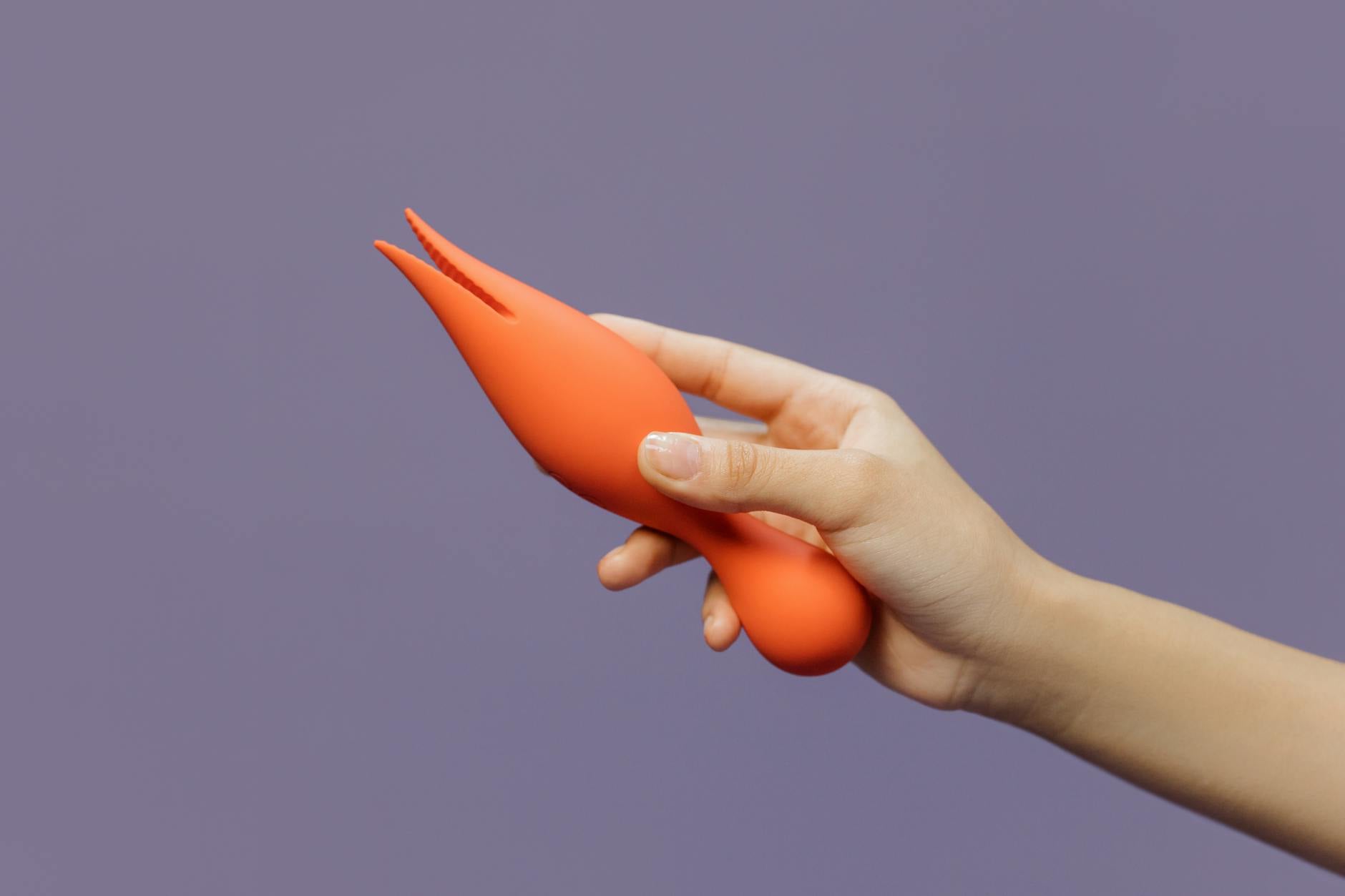
A lemon clitoral vibrator works brilliantly for partners experiencing increased sensitivity because it offers what most standard vibrators don't: precision and modulation. The lem vibrator uses air-suction technology rather than mechanical vibration, which means you're stimulating nerve clusters without the blunt force of a buzzing motor.
This matters because air-suction feels gentler on the first few settings while still building intensity if your partner wants it. You can spend 10 minutes on pattern 1 or 2 with a lemon sucker without overstimulating. With a traditional clitoral vibrator, you're often choosing between "too soft to feel" and "bouncing off the walls."
Starting the conversation
Before you even touch a lemon sexual toy together, you need to talk. Not the clinical "so your sensitivity changed" conversation. Something more like: "I've noticed things feel different for you lately, and I want to explore that together instead of guessing." This signals that you're on the same team, not trying to solve a problem.
Then ask specific questions: Does increased sensitivity feel good or uncomfortable? Is it all sensation or specific types of touch? Does it fluctuate through the month or day? The answers will shape how you approach the vibrator.
The first session with a lemon vibrator
Start with the lem vibrator on the lowest setting. Not pattern 1. The lowest. Hold it about a half-inch away from the clitoral area for the first minute. This desensitizes the area gently so the next touch doesn't feel like a shock.
Then make contact with the gentlest suction. Let her control the tempo. If she wants you to move it slightly, follow her lead. The point isn't to "give an orgasm." It's to map her current sensitivity together.
I often tell partners: think of this like tuning an instrument. You're finding the right frequency. This might take 20 minutes. It might take three sessions. That's fine. You're building data and trust simultaneously.
Adjusting intensity as you go
Once you've established what pattern 1 feels like, try a slightly longer application on the same setting. See if sensation builds or plateaus. If it builds smoothly, you're calibrated. If she flinches or wants relief, you're too intense.
If pattern 1 is too strong, here's what works: alternate suction. Apply the lemon clitoral vibrator for 10 seconds, release for 5 seconds, repeat. This rhythm allows sensation to build without overstimulation. Many partners with increased sensitivity prefer this pattern over continuous stimulation.
When you move up to pattern 2 (if she wants it), do the same calibration. Introduce it for 5-10 seconds, watch and listen for feedback, then decide whether to continue or stay lower.
The communication loop that actually works
Don't ask "is that okay?" every five seconds. That kills the moment. Instead, establish signals. Maybe a simple "more," "less," or "hold" system. Or notice her breathing and muscle tension. When someone's close to overwhelm, breathing gets shallow and muscles tense. When they're in flow, breathing deepens.
After the session, check in while you're still close. Not afterward when everyone's distracted. "That felt different. What did you notice?" This anchors the data for next time.
When lemon adult toys aren't enough on their own
Sometimes increased sensitivity means penetration during the same session feels too intense. The clitoral area is so activated that internal pressure becomes uncomfortable. This is actually very common. The fix is simple: separate the sensations. Use the lemon vibrator on its own some nights. Use a partner's fingers or toys on other nights. Let her body recover between different types of stimulation.
Other partners find that after 10 minutes of a lemon sucker, they need a slower, less direct touch to come. So you might use the vibrator for 8 minutes, then switch to a partner's fingers or mouth for the final approach. This isn't a limitation of the lemon vibrator. It's your partner's body telling you what works best right now.
Addressing the emotional layer
Increased sensitivity sometimes comes with self-consciousness. If your partner's been told for years that women over 45 lose sensation, having it suddenly return can feel weird or embarrassing. "Why do I feel so much now? Did something break?" is a real thought pattern.
Your job is normalizing this. Pleasure isn't a straight line. It's seasonal, cyclical, and responsive to health, stress, hormones, and age. Enhanced sensitivity isn't a glitch. It's information. You get to receive it together.
One partner told me: "When my wife's sensitivity increased, I realized I'd stopped paying attention. I was going through motions. Having to recalibrate with the lemon vibrator forced me to actually show up." That's the real win.
Building a routine that honors both of you
If your partner has newly sensitive areas, it helps to establish a rhythm. Maybe once a week you dedicate time to the lemon clitoral vibrator specifically. Not because you're "solving a problem," but because you're exploring together. This removes the pressure of "performance" from regular intimate time.
On those dedicated nights, start with the vibrator. Spend 15-20 minutes just learning. Don't aim for orgasm. Just sensation. You'd be amazed how much pressure lifts when there's no finish line.
After a few sessions, you'll have a clear map. Pattern 1 for warm-up. Pattern 2 for building. The distance that works best. The rhythm that gets her breathing deeper. You'll know if she prefers suction on the hood, the shaft, or the sides. This knowledge becomes your language.
Checking in over time
Sensitivity isn't static. It shifts with hormones, stress, medications, and seasons. What worked perfectly in January might be too intense in July. Build in check-ins every month or so. "How's the vibrator feeling lately?" Not because something's wrong. Just because you're tracking together.
As partners age and sensitivities shift, the couples who come out ahead are the ones who treat it as a journey, not a crisis. A lemon vibrator becomes less about fixing something and more about staying curious about each other.
People also ask
How do I know if my partner's sensitivity has actually increased or if I'm just using vibration wrong?
Ask directly. Try the vibrator on the lowest setting, then ask: "Does this feel like more sensation than you're used to, or am I using it differently than you'd expect?" If she confirms increased sensitivity, you're not imagining it. If she says the intensity feels normal, the issue might be technique. Either way, you get clarity.
Can a lemon vibrator desensitize the area if I use it too often?
Not typically, especially with air-suction technology. The lem vibrator is gentler on tissue than mechanical vibrators. That said, every body is different. If you're using it multiple times a week and sensation starts flattening, try a week off and see if it returns. Most partners find once or twice weekly keeps everything responsive.
Should I adjust how a partner uses the lemon sucker if they're using it solo versus with me?
Often, yes. Solo use might involve higher intensities because there's no partner calibration needed. When you're together, starting lower and building together usually feels better. Talk about her solo preferences without judgment. It's information. Maybe you learn that pattern 3 is too intense when you're doing it, but she loves it alone. That just means you have different comfort zones, which is totally normal.
What if my partner's increased sensitivity is actually uncomfortable or painful?
This shifts into potential medical territory. Increased sensitivity that feels like pain (burning, sharp sensations, or pain during regular touch) can indicate a condition like vulvodynia or neuropathy. Encourage a visit to a gynecologist, especially one trained in sexual medicine. A lemon vibrator can help manage some cases, but only after ruling out underlying conditions.
How do I bring up that I've noticed her sensitivity has changed without making her feel self-conscious?
Frame it as excitement, not concern. "I noticed your body's responding differently, and I'm really into exploring that with you." This is genuinely sexier than clinical language. Most partners appreciate the attention far more than they fear judgment.
Can increased sensitivity in one area mean decreased sensitivity elsewhere?
Absolutely. The nervous system doesn't distribute sensitivity evenly. She might have heightened clitoral sensitivity but decreased vaginal sensation, or vice versa. This is why mapping her body together with a lemon clitoral vibrator is so valuable. You learn the whole picture, not just assumptions.
The deeper payoff
When you use a lemon vibrator because your partner's sensitivity has changed, you're not just learning her body again. You're rebuilding intimacy in real time. You're signaling that her pleasure matters enough to recalibrate. That her body deserves attention and curiosity, not habit. That you're both willing to grow together.
That's the kind of partnership that deepens with age instead of flattening out. And honestly? That's when pleasure gets really interesting.