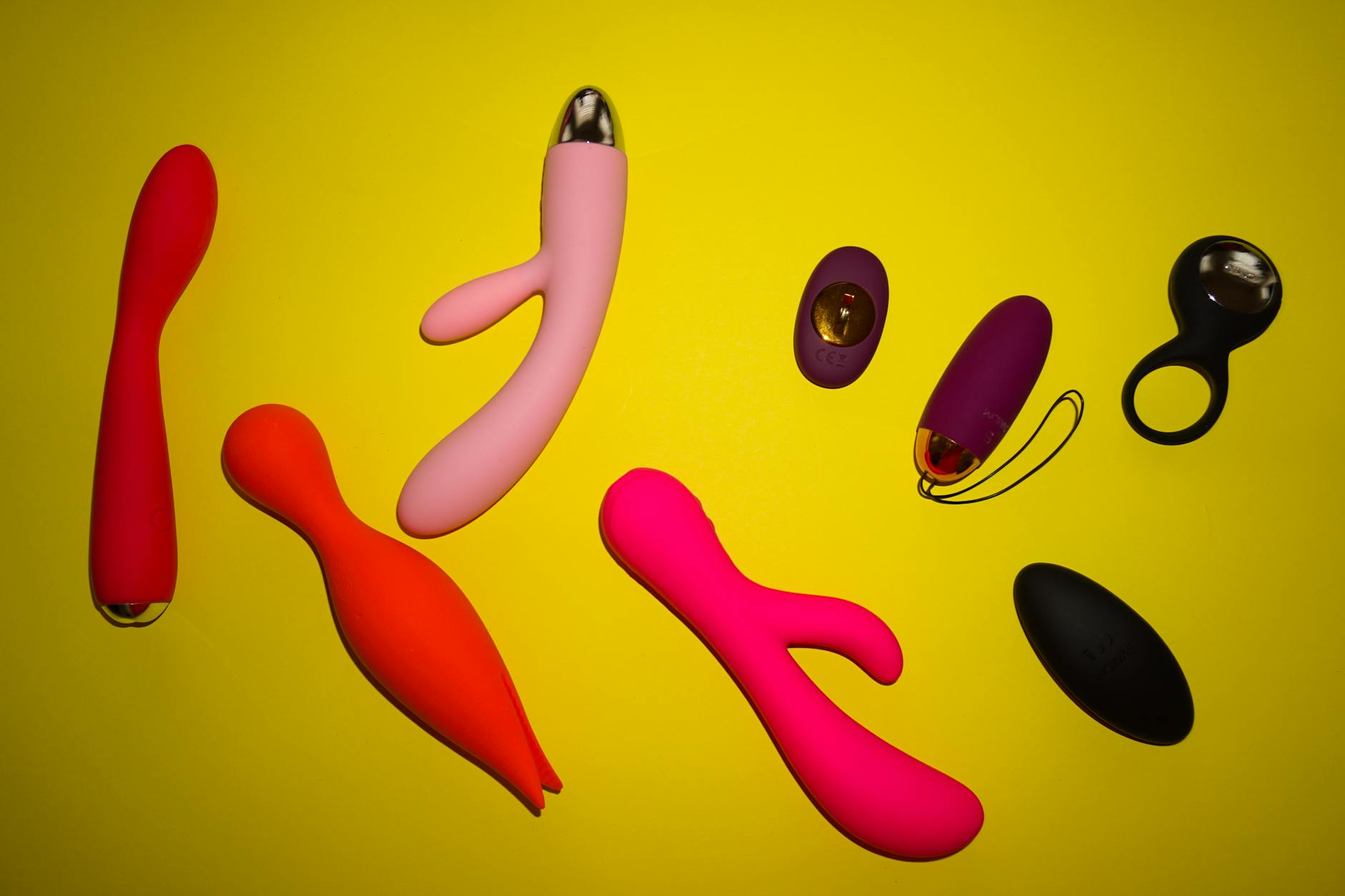
Let's talk about the gap
Your partner wants you some weeks and goes months without touching you other weeks. You're wondering if it's you. It's not you. But the anxiety it creates is real, and it's exhausting.
This is one of the most common relationship patterns I see in couples therapy, and it's also one of the least discussed openly. One partner is the initiator. The other waits and hopes. After months of this, the waiting partner stops hoping. They organize around their partner's whims instead of their own desire. A lemon vibrator changes that equation entirely.
Why inconsistent initiation kills your sexual confidence
When your partner initiates sporadically, your brain does something protective but unhelpful: it learns to ignore your own arousal signals. You stop noticing what actually turns you on because you're too busy monitoring your partner's interest level. You become hypervigilant to their cues instead of attuned to your body.
That hypervigilance has a name in attachment research: it's called anxious attachment in action. You're managing someone else's desire and calling it your own libido. Over time, this erodes sexual confidence. You start to feel dependent on their initiation for permission to feel sexual at all. That's the trap.
A clitoral vibrator, specifically a lemon vibrator with its targeted suction technology, short-circuits that trap because it requires you to tune inward. You have to notice what your body wants, when it wants it. You're not waiting for consensus. You're practicing solo pleasure on your own terms.
The permission piece nobody mentions
Here's what I tell clients: inconsistent initiation is often about permission, not passion. Your partner might have depression, high stress, medication effects, or their own intimacy wound. None of that is your job to fix. But it is your job to stop handing them the keys to your sexual self-expression.
Using a lemon vibrator solo, regularly, is a form of reclamation. It's you telling your nervous system: "My pleasure doesn't depend on someone else's availability." That's not selfish. It's healthy.
When you've been orgasming consistently on your own schedule, something shifts in how you show up in coupled intimacy. You're no longer desperate. You're no longer performing gratitude for crumbs of attention. You approach sex from a place of "I want this" instead of "I'm relieved you want this."
How to build a solo practice that actually sticks
There's a difference between using a toy once and building a sustainable practice. Here's what works.
Set a loose rhythm. Not a rigid schedule. You're not treating this like a chore. But something like twice a week gives your body permission to expect pleasure without depending on your partner. It's predictable in a way your partner's initiation isn't.
Start with no goal. This is crucial. Many people approach solo time like it's a sprint to orgasm. That triggers the same performance anxiety that's already in the relationship. Instead, treat your first five sessions as exploration. Touch yourself. Notice what the Lem does at different intensities. Don't worry about finishing.
Use a vibrator that talks to your body, not at it. The reason a lemon vibrator works particularly well for this is that suction mimics the way many people naturally stimulate themselves. It's not invasive. It's not intimidating for someone rebuilding sexual confidence. Air-pulse technology gives you nuance. You can layer sensations.
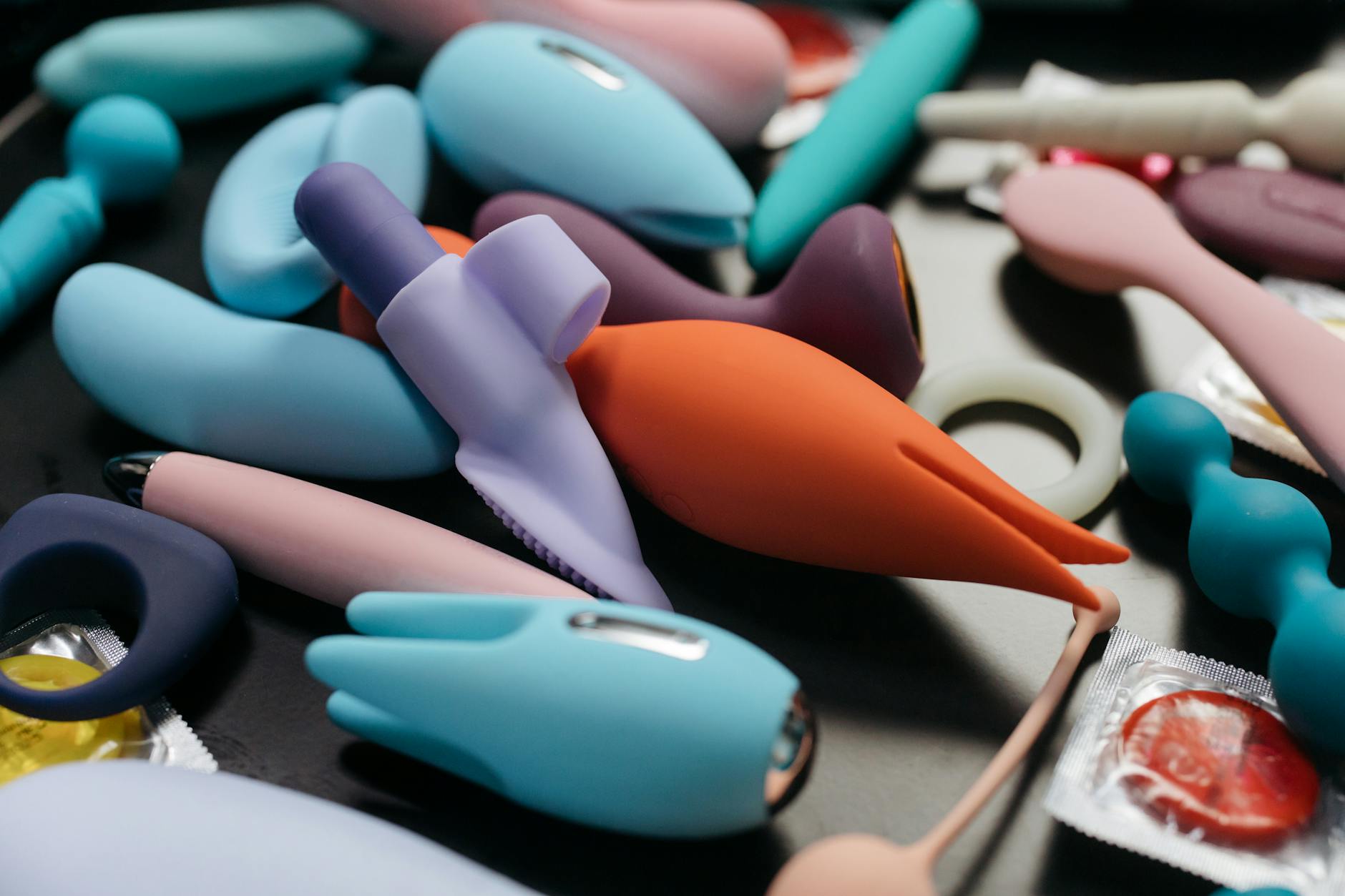
Photo by cottonbro studio on Pexels
What changes when you own your pleasure
Within two to four weeks of consistent solo time, most of my clients notice something: they feel less resentful toward their partner. This is counterintuitive, but it works. When you're no longer starving for sexual attention, you can actually see your partner's inconsistency without it feeling like rejection.
You might even understand it differently. Maybe your partner has anxiety around sex. Maybe they're depressed and don't realize it. Maybe they're asexual and didn't have language for that until you stopped pressuring them (consciously or not) to perform desire they don't feel.
None of this is your responsibility to diagnose or fix. But it is worth noticing. Sexual mismatches in relationships are not character flaws. They're mismatches. And they can be worked on if both people want to.
Your lemon vibrator buys you the time and mental space to figure out if your partner is someone you want to work on a mismatch with, or if the inconsistency is part of a larger pattern of emotional unavailability that you're done accepting.
The conversation you might need to have
If your partner is unaware that their inconsistent initiation is affecting you, using a lemon clitoral vibrator solo is not a replacement for saying that out loud. It's just not. Your pleasure is non-negotiable and separate, but your emotional needs still belong in the relationship conversation.
There's a way to frame this that doesn't blame: "I've noticed our rhythms are really different. I'm exploring ways to feel more sexually fulfilled that don't depend on perfect timing with you. That means I'm going to be using a vibrator regularly on my own. I wanted you to know because I don't want it to feel like a secret."
Some partners hear this and panic. Some hear it and feel relief. Some need to process it over weeks. That's all useful data. How your partner responds tells you something about whether they see your pleasure as a shared value or a threat.
When to consider the bigger picture
If your partner is inconsistent about initiation but shows up emotionally in other ways. If they're stressed but interested when stress lifts. If there's genuine desire underneath the inconsistency, a lemon vibrator plus some couples work can transform things.
But if the inconsistency lives in a broader pattern of emotional distance, dismissal of your needs, or refusal to acknowledge that this is a problem, your solo practice is important for a different reason. It's you building the confidence to leave, not just the confidence to stay.
I say that without judgment. Sometimes the healthiest thing a vibrator can do is help you realize you deserve a partner who actually wants you.
Your pleasure is not negotiable. Your sexual desire is not a need they can choose to meet or ignore. Use a lemon vibrator to practice that truth until you believe it.
Setting boundaries around your practice
If you share a home or life with your partner, you might feel awkward about your solo time. That's normal. Here's what helps: treat it like any other self-care practice.
You shower alone. You exercise alone. You have hobbies your partner doesn't share. Your vibrator time is not fundamentally different. It doesn't need elaborate explanation or justification. "I'm taking some time for myself" is a complete sentence.
If your partner asks questions, you get to decide what you share. Some couples talk openly about solo play. Others don't. There's no single right answer. The important thing is that you're not hiding out of shame.
FAQ: Living with inconsistent initiation
How often should I use a lemon vibrator if my partner and I aren't having coupled sex regularly?
Start with whatever feels sustainable: twice a week, once a week, three times a week. The goal isn't frequency. It's consistency. Your nervous system needs to learn that pleasure is available on a schedule you control. Once you've built that pattern for a few weeks, adjust as needed. Some people find they want more solo time. Others find that having one source of pleasure satisfaction reduces the pressure on partnered sex. Both are fine.
Will using a vibrator make me less interested in my partner?
Usually the opposite. When you're not desperate for your partner's attention, you can actually desire them. Desperation and desire are not the same. If you find yourself less interested in your partner after building a solo practice, that might be telling you something about the relationship itself, not about vibrator use.
What if my partner sees my vibrator and feels threatened?
That's their feeling to process. You can be compassionate without abandoning your needs. "This is for me. It doesn't change what I want with you." If they stay threatened after that conversation, couple's therapy is worth exploring. A partner who feels threatened by your solo pleasure is showing you something about how they see your body. That's information.
Can I use a lemon vibrator during partnered sex if my partner initiates inconsistently?
Absolutely. Some couples find that adding a clitoral vibrator to partnered sex actually increases connection because there's less pressure on the penetrative partner to create all the sensation. It also takes away some of the "Are you close? Am I taking too long?" anxiety that can happen when initiation is already fragile.
If I start using a lemon vibrator solo, does my partner need to know?
That depends on your relationship. In a trusting relationship, transparency is usually good. You're not asking permission. You're giving information. "I've decided to prioritize my own pleasure separately from our sex life. I'm using a vibrator for that." Some partners appreciate the honesty. Some need time to adjust. Both are manageable. Hiding it usually creates more resentment later.
What if my partner initiates more after they know I'm using a vibrator?
It happens. Sometimes seeing a partner take ownership of their sexuality is actually attractive. Sometimes a partner who felt pressured relaxes once they realize you're not desperate. Sometimes the dynamic shifts for the better. Keep an eye on whether the increase feels authentic or like performance. You can tell the difference by how you feel after.
The shift that happens
After weeks of using a lemon vibrator consistently, you might notice something unexpected. You stop counting how long it's been since your partner touched you. You stop checking their facial expression for signs of interest. You stop organizing your self-worth around their initiation.
That freedom changes everything. Not because your relationship is suddenly fixed. But because you've stopped waiting for permission to feel like yourself.
Your pleasure matters. Use a lemon clitoral vibrator to prove it to yourself first. Everything else follows from there.