When one of you checked out
Let's be real. When a partner withdraws from sex for years, it doesn't stay a sex problem. It becomes the problem that colors everything else. The resentment, the self-doubt, the creeping sense that your body stopped mattering. And somewhere along the way, you probably stopped reaching for it too.
That's not failure on your part. That's survival. Your nervous system learned that desire led nowhere, so it shut it down. But here's what I see in my practice over and over: rediscovering solo pleasure with a clitoral vibrator like a lemon sucker or lem vibrator isn't about leaving the relationship. It's about coming back to yourself first.
The thing nobody says about desire drought
When sex stops happening, we tell ourselves the story that something is broken in us. We assume our partner lost attraction, or we gained weight, or we're just not interesting anymore. Sometimes one of those things is true. But more often, the withdrawal has nothing to do with you at all.
It could be depression, low testosterone, medication side effects, unresolved conflict, or a partner who's checking out emotionally. Maybe they're stressed about work. Maybe they're carrying shame about their body. Maybe they're somewhere on the asexual spectrum and didn't know how to say it. The honest answer is usually: you don't fully know, and you might not be able to fix it by yourself.
What you can control is whether you continue erasing your own desires to accommodate the withdrawal.
Why solo pleasure matters when you're coupled
Three things happen when you start using a lemon vibrator or other clitoral vibrator for yourself while in a long-term, low-sex relationship.
First, your nervous system remembers. Pleasure isn't a skill you lose, but it does go dormant. Using a lemon sexual toy alone, in a pressure-free context, reminds your body what arousal actually feels like. No performance, no waiting for someone else, no checking whether they're interested. Just you, your pleasure, and a tool that works.
Second, you stop resenting your partner for not providing something they've proven they can't or won't. This sounds counterintuitive, but the couples I work with who rebuild solo pleasure report less resentment after, not more. Because they stopped waiting. They stopped taking the withdrawal as personal rejection and started taking it as information about their partner's capacity, not their worthiness.
Third, you actually have something to work with if the conversation ever shifts. Couples therapy is harder when both partners are numb. It's easier when one person shows up saying: "I've rediscovered what turns me on. I know my body again. Now I want us to address what's happened between us."
How to start alone, in a way that actually works
If you haven't touched yourself in years, or if you've been so focused on what your partner wasn't doing that you lost track of your own responsiveness, a lemon clitoral vibrator or other lemon adult toy is genuinely the gentlest entry point. Here's why: air-suction vibrators like the Lem don't require you to re-learn anything about your body. They work with your anatomy, not against it.
Start with zero expectations. Set aside maybe fifteen minutes when you're alone and won't be interrupted. No pressure to orgasm. This is about sensation, not outcome.
Begin with your hands first. Touch your own skin. Notice temperature, texture, what feels good. Spend a couple of minutes just with that. Then introduce the lemon vibrator on the lowest setting. Place it against your clitoral area and let the suction do the work. You're not thrusting or grinding. You're receiving. That distinction matters because it lets your body relax into it rather than perform.
If it feels intense, pull back. If it feels like nothing, don't assume your body is broken. You might just need more warm-up time, or more mental presence. Arousal requires your brain, not just your body. If you're thinking about your partner the whole time, or about whether you're "doing it right," your nervous system won't cooperate. That's normal, not a failure.
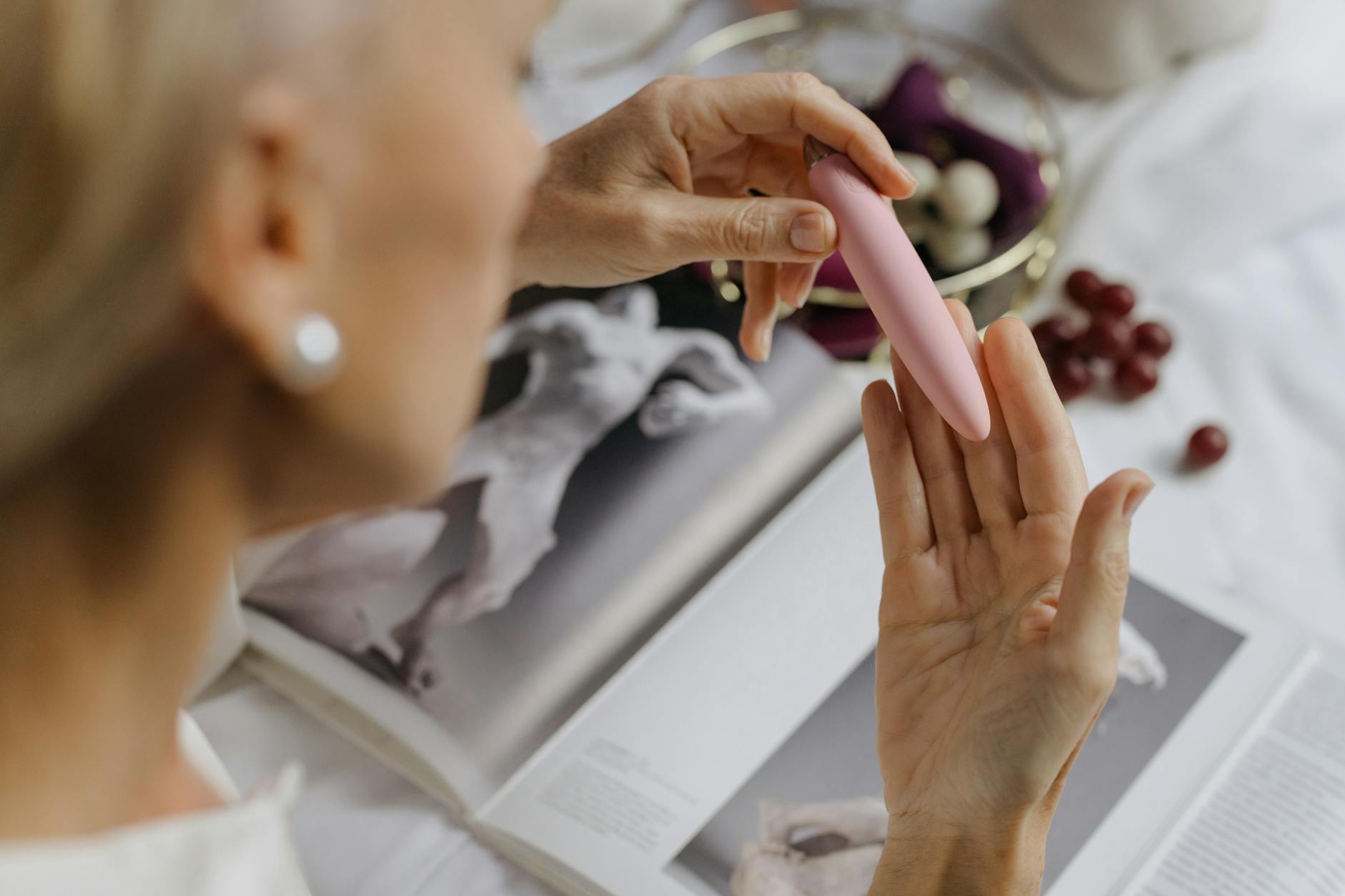
Photo by cottonbro studio on Pexels
The emotional piece (which is actually the bigger piece)
Using a lemon vibrator or any clitoral vibrator alone raises something that couples don't usually talk about: guilt. You might feel guilty for doing this without your partner. You might feel like you're being unfaithful, or like you're admitting the relationship is over. You might worry that if your partner finds out, they'll take it as rejection.
Let me separate those out because they need different answers.
First: is using a lemon sexual toy cheating? No. Solo pleasure is not infidelity. Infidelity involves deception and violation of an agreement with your partner. If you're using a vibrator alone because your partner has withdrawn for years, you're not breaking any agreement. You're meeting a basic human need on your own.
Second: the guilt you feel might actually be about something else entirely. It might be grief that the relationship has become this lonely. It might be anger at your partner that you haven't voiced. It might be years of internalizing the message that your desire is a burden. Those are the actual problems, and a vibrator won't solve them. But they're worth naming.
Third: if you're worried about your partner's reaction, that's worth examining too. If you feel you can't pursue solo pleasure without fear of how your partner will respond, that's important information about the safety and respect in your relationship.
What to do if your partner finds out (or if you want to tell them)
Many couples I work with find that an honest conversation about solo pleasure actually opens the door to reconnection. It can sound like: "I've realized I've lost touch with my own body and my own pleasure over the years. I'm starting to explore that alone, and I wanted you to know."
That's different than hiding it or framing it as a threat. It's information. Some partners respond with curiosity. Some respond with defensiveness. Their response tells you something important about whether this relationship has room for both people's desires.
If your partner is genuinely interested in reconnecting, rediscovering your own pleasure is actually the foundation. You can't rebuild mutual desire if one person has completely abandoned their own responsiveness. You need to know what you want first.
If your partner responds with shame or anger, that's worth a conversation with a therapist, ideally together.
When solo pleasure becomes part of rebuilding
Some couples stay together after years of sexual withdrawal. Some don't. What I notice is that the couples who thrive are the ones where both people stay curious about pleasure, whether alone or together.
Using a lemon clitoral vibrator on your own isn't a replacement for the conversation you need to have with your partner. It's also not a sign that the relationship is over. It's a way of saying: "I matter. My body matters. My pleasure matters. And I'm not waiting for permission to reclaim that."
That clarity often shifts how you show up in the relationship, for better or worse. Sometimes it leads to repair. Sometimes it leads to the hard realization that you deserve a partnership where desire goes both ways. Both outcomes are okay. Both are better than the slow death of erasure that happens when you abandon your own pleasure entirely.
FAQs
What if I feel like I'm betraying my partner by using a lemon vibrator alone?
Betrayal happens when there's deception and a violation of agreements. If you and your partner have an explicit agreement that solo pleasure is off-limits, that's worth renegotiating. But most couples never have that conversation, so there's no actual agreement being broken. You're meeting your own needs because your partner has chosen not to meet them. That's not betrayal. That's self-care.
How long should it take to feel pleasure again after years of withdrawal?
Every body and nervous system is different. Some people reconnect with sensation in days. Others take weeks. The key is to let go of the timeline entirely. You're not trying to achieve pleasure. You're trying to remember what your body feels like when it's allowed to feel good. That's a process, not a destination. If you've been numb for years, give yourself at least a month of regular solo exploration before you decide your body doesn't respond. Your nervous system needs time to trust that this is actually safe.
Should I tell my partner I'm using a clitoral vibrator, or keep it private?
That depends on your relationship and how much honesty currently exists. If you have a fundamentally trusting partnership but sex has just gone dormant, honesty might open a door. If your partner has shown a pattern of using shame or anger around sexuality, privacy is reasonable. You don't owe transparency on your own body. But know that keeping secrets about pleasure often perpetuates the pattern that makes pleasure feel unsafe.
What if I orgasm solo but can't with my partner (if we ever get back to that)?
That's actually really common. Solo orgasms feel different because there's no performance pressure, no waiting for someone else's rhythm, no anxiety. If you and your partner ever reconnect, it might take time to orgasm together because that context is different. A lemon sucker or lem vibrator can actually help bridge that gap. Some couples use vibrators together once they start reconnecting. It's not a sign of failure. It's a tool.
Is using a lemon vibrator the same as using an air-suction vibrator?
The Lem by Nancy's Lemss is an air-suction clitoral vibrator that works very differently than traditional vibrators. Instead of vibration, it uses gentle suction patterns that stimulate the clitoral complex. Many people find it less intense and more responsive to their body than traditional lemon vibrators. But the broad category of lemon sexual toys or lemon clitoral vibrators includes different technologies. Explore what feels right for your body, not what's "supposed" to work.
What if my partner wants to use the vibrator with me, but I'm not ready?
That's a boundary worth maintaining. Rediscovering solo pleasure is about rebuilding your own connection to your body first. Bringing your partner in too soon can reintroduce the performance pressure that made sex feel unsafe in the first place. You can say: "I need some time alone with this first. Once I feel more connected to my own pleasure, we can explore together if you want." Healthy partners will respect that timeline.
The thing that actually matters
Years of desire mismatch don't just affect sex. They affect how you feel about yourself, whether you believe you deserve pleasure, and how much you're willing to take up space in your own life. Picking up a lemon vibrator or other clitoral vibrator and using it alone is not actually about the tool. It's about the reclamation. It's about your body getting to matter again, to you, in a space where it's safe to let it.
If you're carrying questions about your relationship or whether it's time to have a harder conversation with your partner, consider reaching out. Whether that's therapy, a coach, or honest conversation, you deserve to know that your pleasure counts, and your body deserves attention. Start there, and everything else becomes clearer.