
Let's talk about what just happened
Desire returning after a long absence is its own kind of shock. Whether you've been apart for months, years, or the relationship itself took a pause, the moment your body suddenly remembers how to want something is disorienting. You might feel guilty for feeling it. You might feel afraid it will disappear again. You might worry you've forgotten how your body works.
All of that is completely normal. And all of it gets easier once you understand what's actually happening physiologically and emotionally.
Why desire returns when it does
Desire doesn't follow a schedule. It often comes back in waves, triggered by something small. A conversation. A moment of feeling heard. Sometimes just time and enough distance from whatever created the break in the first place.
Physiologically, desire is a cocktail of dopamine, norepinephrine, and testosterone. When you've been disconnected for a while, those neurochemicals have been running low. The return of intimacy (even the thought of it) signals your nervous system that it's safe to reactivate those pathways. Your body isn't malfunctioning if it takes a little time to remember. It's doing exactly what it should.
There's also something worth knowing: sometimes we confuse emotional relief with sexual desire. The relief of feeling connected again can feel like arousal when it's actually something different. That's worth noticing, because it changes how you move forward.
The solo reconnection phase
Before you jump into anything with a partner, you might want to spend time with your own body again. This isn't about pressure. It's about remembering what works, what feels good, and whether the desire you're feeling is something you genuinely want to explore or something you think you're supposed to want.
This is where a lemon clitoral vibrator becomes useful. A device like the Lem gives you control and directness. You're not managing someone else's pace or expectations. You're just listening to your body.
Start here: find a time when you have privacy and zero pressure. No phone. No sense that you need to "achieve" anything. Set a timer for 20 minutes and tell yourself that's the only goal. Not orgasm. Not a specific sensation. Just showing up.
How to actually use a lemon vibrator during this phase
First, charge it or check the battery. A dead vibrator mid-exploration is annoying and kills momentum.
Start with your body. Lie down or sit somewhere comfortable. You're aiming for relaxed, not performative. Touch your thighs, your belly, your collarbone. Notice what feels good without the vibrator. This sounds basic, but many people skip it after a long break and go straight to intensity.
When you're ready, start the lemon vibrator on its lowest setting. The Lem's gentlest patterns are excellent for this because they don't demand anything from you. You're not chasing a specific sensation. You're learning what's possible again.
Move it slowly across your vulva without rushing. Some people find the entrance feels more responsive after time away. Some find the clitoris needs longer warm-up than before. Neither is wrong. You're gathering information about your current body.
If nothing happens for 15 minutes, that's fine. Stopping doesn't mean failure. It means you learned something: maybe you need more time, maybe the setting needs adjusting, maybe today just isn't the day. All of that data helps.
Managing the emotions that show up
You might cry. You might feel angry. You might feel disconnected from the sensation even though you're clearly aroused. All of this is common when you're relearning your body after distance.
The emotional part of desire is often harder to navigate than the physical part. After a relationship break, your body and your mind might not be synchronized. Your nervous system might be sending you mixed signals about safety.
If this happens, pause. You don't have to push through. Coming back to pleasure after a break isn't a sprint. It's a gradual expansion of what feels safe and good.
When you're ready to bring a partner back in
This is the conversation that actually matters. Not during sex. Not in the moment. A separate conversation where you're both clothed and clear.
What you say matters less than what you cover. Talk about: how long it's been, how your body might respond differently, that you might need to stop midway through, that you're not sure yet what you want. Honesty here is the entire foundation.
A useful frame: "My body is waking up after a while. I want to explore this with you, but I need you to let me lead the pace."
That's it. Then step into it slowly. Maybe start with non-penetrative touch. Maybe use your lemon vibrator with them watching. Maybe have them use it on you while you're in control of the intensity. The shape of reconnection is different for every couple, and that's fine.
What to watch for
Pain during sex after a long break is common but shouldn't be ignored. If penetration feels like sharp discomfort rather than gentle tightness, pause and check in. Sometimes it's just tension. Sometimes it's worth a conversation with a gynecologist, especially if the break was more than a year.
Desire that comes and goes is normal. Desire that completely flatlines after a few weeks might signal something deeper: resentment, unresolved hurt, or simply that you're not actually ready. Listen to that signal instead of pushing past it.
If your partner is pushing for sex faster than feels good, that's information too. Real reconnection requires patience from both people.
The longer view
Desire after a relationship break isn't a light switch. It's more like dimmer that gradually brightens. Some days it'll feel overwhelming. Some days you'll feel nothing and panic that it's gone again. That's the rhythm of healing.
The Lem and other lemon clitoral vibrators are useful here because they're not dependent on a partner's availability or mood. They give you agency in your own pleasure. That agency matters when you're relearning how to want something.
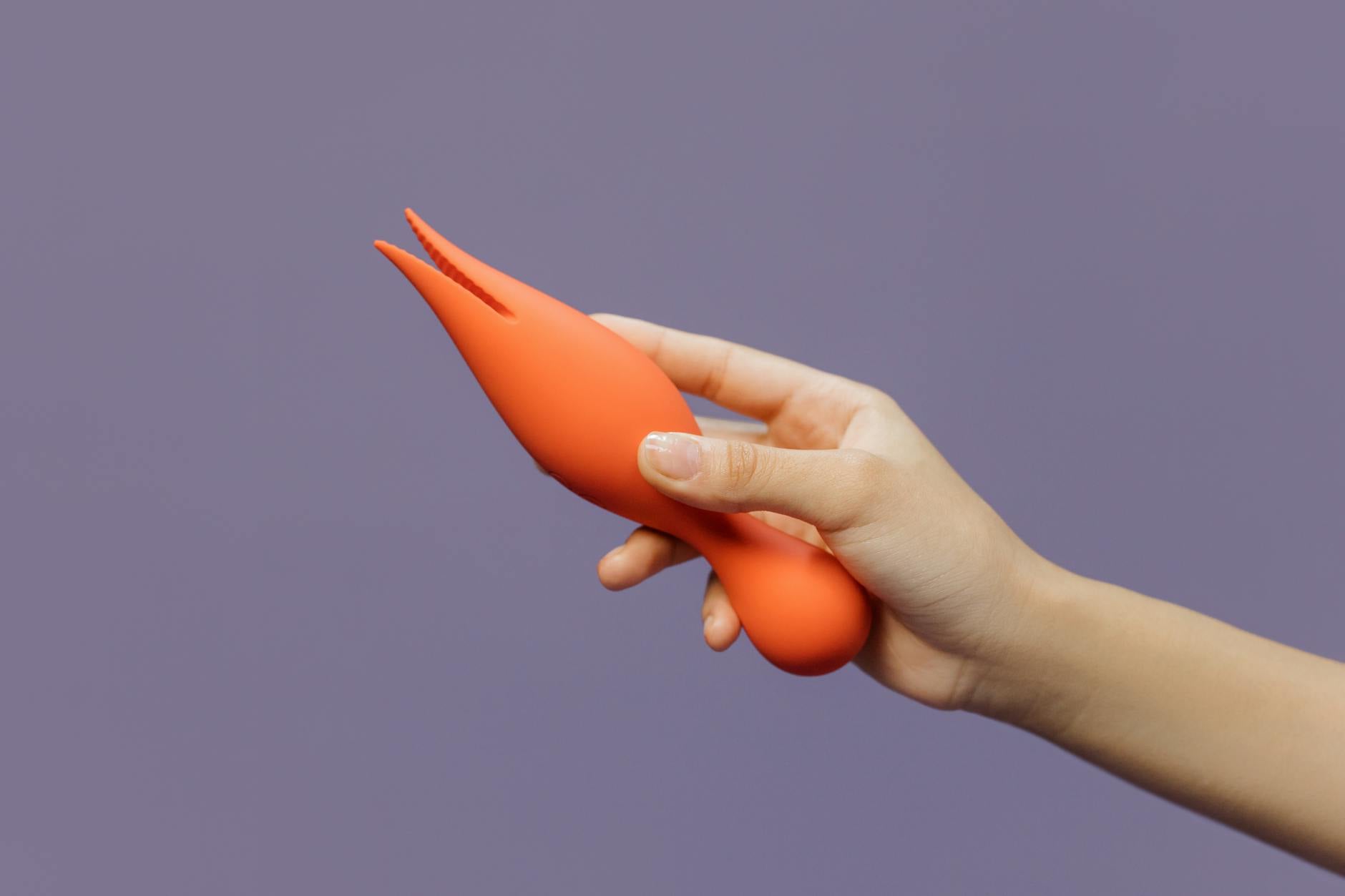
Photo by cottonbro studio on Pexels
The fact that desire is returning at all is worth honoring. It means something in you feels safe enough to open again. That's brave, whether you're restarting with a partner or just restarting with yourself.
People also ask
How long does it usually take for desire to return after a relationship break?
There's no standard timeline. For some people it's weeks. For others it's months or longer. It depends on how long the break was, what caused it, and whether the underlying relationship issues that created the break have been addressed. If you're waiting for desire to show up on someone else's schedule, you'll be frustrated. The best approach is to check in with yourself regularly: Do I feel even a glimmer? Am I forcing this? Is my body actually interested or am I performing? That honesty matters more than time.
Is it normal to feel guilty about desire returning?
Completely normal. Many people feel guilt because they associate desire with the hurt that happened before the break. Or they feel like wanting sex means forgiving something they're not ready to forgive. Guilt and desire can coexist. It doesn't mean the desire is wrong. It usually means you're still processing complicated feelings about the relationship itself. A therapist can help you separate those conversations so desire doesn't become a proxy for healing you haven't done yet.
Can you use a lemon vibrator with a partner after a break?
Absolutely. Some couples find that introducing a vibrator removes pressure from both people. One person isn't responsible for creating arousal. It becomes collaborative. Some find it easier to start with solo use first, then gradually invite their partner in. There's no one right way. The key is that both people feel genuinely interested, not pressured.
What if desire returns but I'm not sure I want to be with my partner?
That's a separate question from desire. Desire is a physical and emotional sensation. Partnership is a choice. Sometimes they align and sometimes they don't. If you're noticing that desire returns when you're thinking about someone else, or only in specific contexts, or feels conditional, that's worth examining with honesty. You might need to talk to a therapist about what you actually want from the relationship, not just whether your body is cooperating.
How do I know if my body needs more time or if something is actually wrong?
If it's been more than a few months and there's zero response, even with your own touch, that's worth checking in with a doctor. But most people find that even a little bit of attention brings response back. If you're noticing numbness, pain, or complete disconnect from sensation even when you're aroused, those are things a gynecologist can assess. Sometimes it's physical. Sometimes it's emotional. Usually it's both.
Should I tell my partner if I've been using a lemon vibrator during reconnection?
That's your call. Some couples make it part of the conversation. Some people find that solo pleasure feels like private territory and want to keep it that way. Both approaches are valid. If you do share it, frame it around your own learning: "I wanted to understand what my body needs right now." That's not a criticism of your partner. It's information that can help you both.