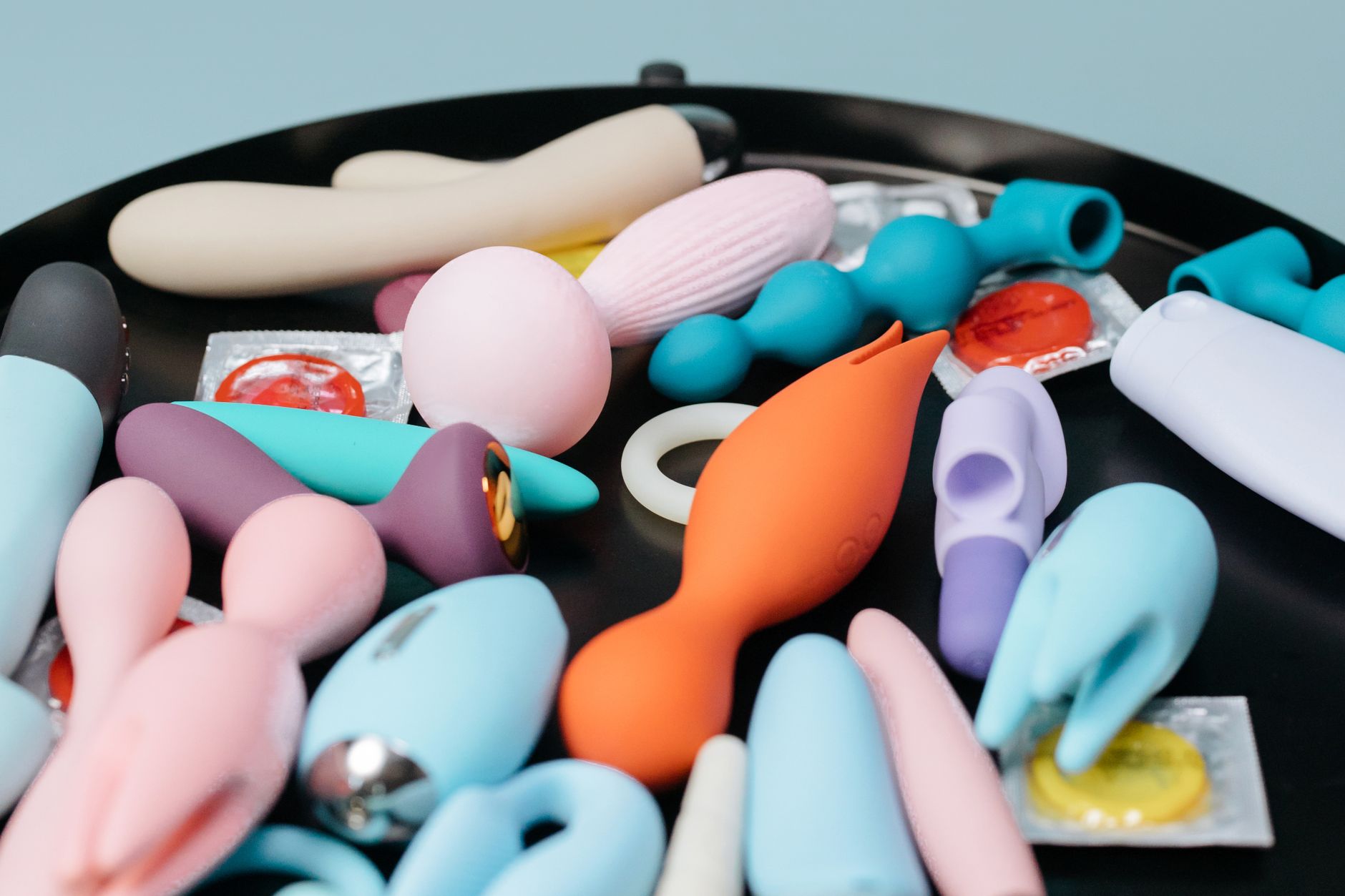
How to Use a Lemon Vibrator for Solo Pleasure After a Long-Term Relationship Ends
When a long-term relationship ends, your body becomes unfamiliar. Not because it changed, but because the context vanished. You spent years responding to another person's touch, rhythm, presence. Suddenly that's gone, and your own touch feels foreign.
Rediscovering solo pleasure isn't frivolous. It's an act of reclamation.
Many people I work with describe coming back to masturbation after a breakup as awkward, even guilty. The guilt isn't about pleasure itself. It's about the gap between "I knew how to do this before" and "I don't remember how anymore." A lemon vibrator, specifically the air-suction design of devices like the Lem, can bridge that gap because it doesn't require the same presence of mind that manual stimulation does. You're not performing for anyone. You're not trying to remember what worked with a partner. You're just receiving sensation.
That distinction matters more than you'd think.
Why Solo Pleasure After Breakup Feels Different
Your nervous system has been calibrated for two for a while. Your arousal response was shaped by another person's touch, timing, energy. When they're gone, your body doesn't automatically switch back to solo mode. It's like learning to sleep alone after sharing a bed for years. Your brain keeps reaching for presence that isn't there.
Physically, three things happen:
First, your pelvic floor tightens. Stress and grief literally create muscle tension around the pelvis, which dampens sensation. Second, your attention scatters. Without a partner's body as an anchor, your mind wanders to the relationship itself, not the pleasure. Third, your baseline arousal threshold climbs. You might need more intense or longer stimulation to feel the same response you had during partnered sex.
None of this means you're broken. It means you're grieving, and your body is reflecting that. A lemon vibrator works well here because the suction pattern is novel enough to recapture focus. It's not the touch you lost. It's something entirely yours.
Starting Solo Pleasure Recovery Gently
Don't rush back to what you had before. That version of pleasure existed with a partner present, and trying to recreate it solo feels like failure. Instead, approach this as discovery.
Begin without the toy. Spend a week or two touching yourself with no goal. No expectation of orgasm, no performance metric. Just your hand, your body, curiosity. Set aside 10 to 15 minutes when you're alone and your nervous system is calm. Not in crisis mode, not fresh from a fight with your ex, not scrolling through their social media.
When you introduce a lemon clitoral vibrator, start with the lowest settings. The Lem or similar air-suction lemon vibrators have multiple intensity levels for exactly this reason. Begin at level 1 or 2. Hold it against your clitoris for short bursts, 10 to 20 seconds at a time, with pauses between. This teaches your nervous system that sensation is safe, manageable, within your control.
The control aspect is critical after a breakup. You're relearning agency over your own pleasure. A toy you can turn off whenever you want is an extension of that agency, not a replacement for it.
Building Arousal as a Solo Practice
One of the biggest shifts post-breakup is learning that arousal doesn't need an external trigger. With a partner, you had their body, their voice, their desire as fuel. Solo, you have to generate arousal entirely from internal sources.
This takes practice. Spend 15 to 20 minutes just building arousal before the lemon vibrator comes out. What works depends on your brain:
Some people use fantasy or erotic content. Others need movement: dancing, showering, changing positions. Some need imagination alone. Some need the sensory reset of a new environment. Your body might have a preference that's entirely different from what worked in your relationship.
Try them. Notice what your body responds to. This is the research phase, and it matters more than efficiency.
Once you're genuinely aroused (not just thinking about arousal, but actually feeling blood flow and lubrication), introduce the lemon clitoral vibrator. Start at a lower intensity than you suspect you need. Let your body tell you when to increase. Many people find that after breakup, their sensitivity is lower initially, then gradually returns as they reconnect with solo pleasure regularly.
Using a Lemon Vibrator Without the Grief Spiral
Here's the part nobody warns you about: sometimes using a lemon vibrator solo after a breakup brings up sadness. You might feel grief mid-pleasure. This happens because pleasure involves vulnerability, and you've just lost someone you trusted.
This doesn't mean something is wrong with the experience. It means your nervous system is processing.
When it happens, you have three choices. First, pause and let yourself feel the sadness without judgment. Sit with it for a few minutes, then decide if you want to continue. Second, ground yourself in the present: notice the temperature of the air, the texture of your sheets, the light in the room. Reconnect to now instead of the memory. Third, stop entirely and come back another day. There's no failure in that.
Don't turn this into a performance where you have to push through emotion. Your pleasure doesn't have to be efficient or optimized. It has to be kind to you. A lemon vibrator is just a tool. The real work is learning to be present with yourself again.
Frequency and Finding Your Rhythm
You might masturbate more frequently right after a breakup, or not at all for weeks. Both are normal. There's no "should" here.
I suggest starting with once or twice a week if you're comfortable, increasing frequency only when you want to. Some people find that regular solo pleasure helps them metabolize grief faster. Others need space. Your nervous system will tell you what it needs. Listen to it.
Use a water-based lubricant with your lemon clitoral vibrator, even if you naturally lubricate. Lubrication reduces friction and makes the suction sensation cleaner and more controllable. After a breakup, when your body might be tense, lubrication also takes pressure off your tissues, making the experience feel more comfortable.
When to Expect Pleasure to Return Fully
This depends on how long the relationship lasted and how traumatic the ending was. For a very rough timeline: most people report some sensory reconnection within 4 to 8 weeks of regular solo practice. Full arousal capacity and satisfaction typically return within 3 to 6 months.
But these aren't rules. Some people find pleasure bounces back in weeks. Others take longer. The variable isn't your health. It's your attachment style, nervous system regulation, and how much grief you're still processing.
If you notice zero return of arousal or sensation after 6 months, or if masturbation becomes a way to numb pain rather than feel pleasure, it's worth talking to a therapist. Pleasure should feel generative, not anesthetizing.
Reframing Solo Pleasure as Self-Trust
Using a lemon vibrator solo after breakup isn't just about orgasm. It's about rebuilding a relationship with your own body. After years of partnership, your body became a duet. Now you're learning to solo again.
This matters because how you treat your body during this recovery shapes how you'll relate to future partners. If you can't trust yourself with your own pleasure now, you'll struggle to advocate for it later. If you can learn to listen to your body, set boundaries around intensity, notice what feels good and what doesn't, you're practicing the skills you need for partnership again.
A lemon clitoral vibrator is just a tool in that practice. But it's a good one because it puts you in control. Every stroke is yours. Every orgasm is something you gave yourself. That agency is what builds the foundation for sustainable pleasure, alone or with someone else.
Frequently Asked Questions
How long should I wait after a breakup before using a toy for solo pleasure?
There's no timeline. Some people start within days. Others wait months. The question to ask yourself isn't "how long is appropriate" but "am I doing this to reconnect with myself or to avoid feeling grief." If it's the first, you're ready. If it's the second, the grief will still be there after the vibrator. Process that first.
Is it normal to feel guilty masturbating solo after a long-term relationship?
Yes. Guilt often lingers even after the relationship ends because your nervous system is still calibrated to your ex's presence. Over time, as solo pleasure becomes routine, that guilt fades. It's not a character flaw. It's a normal part of recalibrating.
Can a lemon vibrator help if I'm having trouble reaching orgasm after breakup?
Yes and no. If orgasm is the only measure of success, you'll add pressure to an already sensitive time. Lemon clitoral vibrators are excellent for reconnecting with sensation and building arousal, which often leads to orgasm naturally. But if you're using it as a performance metric, it might backfire. Let pleasure be the goal, not the orgasm.
What if using a lemon vibrator triggers memories of sex with my ex?
That's common because sex is tied to memory and attachment. When it happens, pause. Remind yourself that this is your body, your pleasure, in the present. You might try a different setting, different time of day, or even a different room to break the association. Over time, the trigger fades.
How do I know if I'm using a lemon vibrator healthily versus using it to avoid processing grief?
Healthy solo pleasure feels generative: you feel more connected to your body afterward, more alive. Avoidant masturbation feels numb or frantic: you're chasing sensation without feeling anything, or you're using it to shut off emotions. If you notice the second pattern, it's time to talk to a therapist.
Can I use a lemon vibrator if I have pelvic pain or tension after breakup stress?
Tension and pain often show up in the pelvic floor after trauma or prolonged stress. A lemon clitoral vibrator can help, but gently. Start with lower intensities and longer warm-up time. Better yet, combine toy use with pelvic floor physical therapy. A specialist can teach you to release tension, which makes pleasure feel more accessible.
Reclaiming Solo Pleasure
Breakup recovery isn't linear, and neither is rebuilding your relationship with solo pleasure. Some days your body will feel open and responsive. Other days it will feel foreign and tight. Both are part of the process.
Using a lemon clitoral vibrator during this time is an act of self-care, not self-distraction. You're telling your nervous system that your pleasure matters, that your body is worth paying attention to, that you're worthy of sensation even without another person present.
That message, repeated over time, rewires how you relate to yourself. And that rewiring is the real foundation for whatever comes next.
If you're struggling with this transition and want guidance, reach out to a therapist who specializes in relationships and embodiment. You deserve support as you find your way back to yourself.
Sources
Gottman, J. M., & Silver, N. (2015). The seven principles for making marriage work. Harmony Books.
Perel, E. (2017). The state of affairs: Rethinking infidelity. Harper Wave.
van der Kolk, B. (2014). The body keeps the score: Brain, mind, and body in the healing of trauma. Viking.