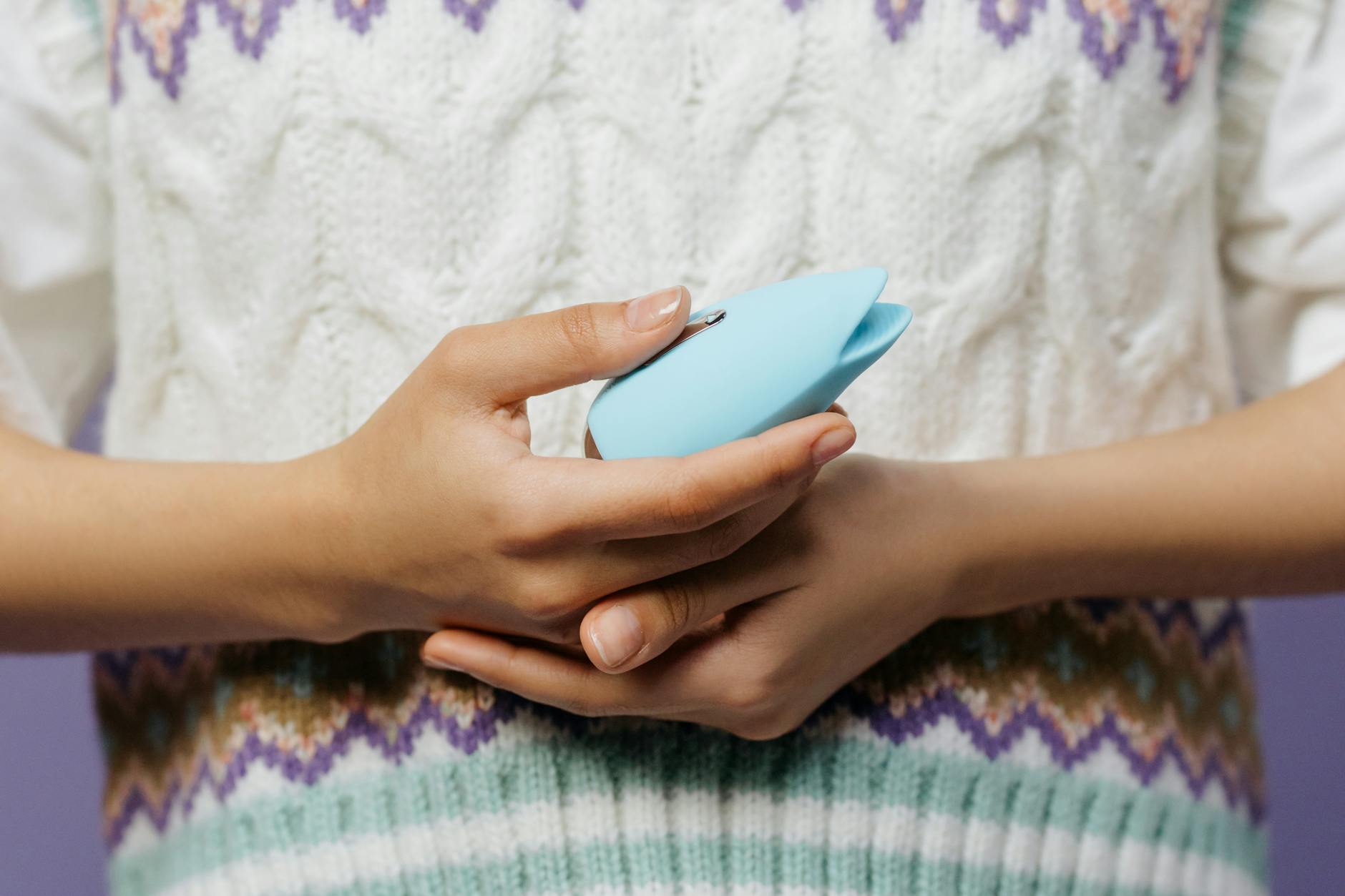
Let's talk about the settings you're actually using
Here's the thing about lemon vibrators: most people buy one, fiddle with it for thirty seconds, land on a pattern that feels okay, and never explore the rest of the menu. It's like getting a car and only ever using third gear. The intensity levels exist for a reason, and the right one isn't the one that feels strongest. It's the one that feels best for your body, your mood, and what you're working with that day.
Your sensitivity isn't fixed. It changes based on where you are in your cycle, whether you're stressed, what time of day it is, how much foreplay you've had, and honestly, what you had for lunch. So the lemon clitoral vibrator you bought three months ago might need a completely different approach today.
Why intensity matters more than you think
Too much intensity too fast does something counterintuitive: it actually deadens sensation. Your nerve endings get overwhelmed and shut down. You feel buzzing, but not pleasure. You're chasing an orgasm that keeps moving further away because the sensation is working against your body instead of with it.
Too little intensity is the opposite problem. Nothing builds. You're stuck in the warm-up phase forever, and frustration sets in before arousal does. The sweet spot isn't about being comfortable. It's about being able to feel the full arc of what's happening in your body.
Intensity also affects how long you can sustain pleasure. Lower settings? You can go for 20, 30 minutes. Medium settings get you there faster but leave more room to play. Highest settings typically bring you to orgasm quickly but can leave you feeling numb if you go too hard too often.
The four intensity tiers and what they're actually for
Tier 1: Barely-there low settings (pattern 1-2 on most lemon vibrators)
This is your exploration zone. Use this when you're first getting to know your body, when you're warming up with a partner, or when you're still figuring out what type of stimulation even registers for you. If you've ever tried a vibrator and felt almost nothing, you might have started at tier 3 instead of here.
This tier is also crucial if you have clitoral sensitivity issues from hormonal changes, medications, or just plain variability. A lot of people skip low settings thinking they're boring. They're not boring. They're a gateway. Your body might need 10 minutes at this tier before anything higher will actually feel good.
Tier 2: Moderate sustained settings (pattern 3-5)
This is where most of your pleasure actually lives. Medium intensity gives you enough sensation to feel everything without overwhelming your nerves. You can stay here. You can build slowly. You can switch between patterns without losing your momentum. If you're returning to pleasure after a long break, this is your home base.
Tier 2 is also the goldmine for partnered play. You get enough intensity to feel great, but you're not so ramped up that a gentle touch from your partner registers as jarring. Communication with a partner becomes easier here because you're both working with a sensation that's strong enough to matter but not so overwhelming that you can't think.
Tier 3: Higher intensity (pattern 6-7)
You're in the acceleration zone now. This is where sensations start stacking. If you've built up from lower settings, you'll feel the difference clearly. If you jump here cold, it often backfires. Higher intensity works best when you've already got arousal happening. It amplifies what's there instead of generating it from scratch.
Use this tier when you're short on time, when you know exactly what works for you, or when you want to take things further with a partner. But here's the crucial part: if you always use the highest settings, your body adapts and stops responding. Save intensity 7 for when you actually need it.
Tier 4: Maximum intensity (pattern 8 and beyond, if your lemon sucker has it)
This is the finish line, not the warm-up. Maximum intensity works for maybe 5-10 minutes max before numbness creeps in. Use it when you're close and want to get there, not as your starting point. A lot of people think bigger sensations mean better orgasms. That's backwards. The best orgasms come from sustained medium intensity where you can feel every shift happening in your body.
Patterns matter as much as intensity
Most lemon adult toys offer both intensity levels and patterns. A pattern at intensity 3 feels completely different from the same pattern at intensity 5. But different patterns also change the whole experience even at the same intensity level. Steady vibration is different from pulsing. Waves are different from both.
Start with the basic steady pattern to figure out your intensity baseline. Once you know which tier works for you, experiment with different patterns at that same tier. You'll probably find one that hits better than others. That's your pattern. Stick with it for a few weeks before exploring further. Your body needs consistency to learn what it likes.
If you're with a partner, let them try the remote if you have one. A pattern you've been using for months might feel completely new when someone else is controlling it.
How to actually dial in your sweet spot
Start low and build. Every single time. Even if you think you know what you want. Your nervous system needs a runway. Here's the sequence.
First, set aside 20 minutes. Not five. Your body doesn't wake up fast. Apply lubricant even if you think you don't need it. Stimulation without lubrication changes the sensation significantly. Then start on pattern 1 at the lowest intensity. Spend three to five minutes there. Get used to the feeling. Notice what's happening in your body.
After five minutes, move to pattern 1 at intensity 2. Stay there another three minutes. Then bump to intensity 3. By now, you're eight or nine minutes in and you're getting actual data about what this is like. If something's building, stay at that intensity. Don't jump up just because you can.
If nothing's building after 12-15 minutes, move up one tier. Not three. One. Give it five minutes. Still nothing? Try a different pattern at the same intensity level. Pattern matters. Sometimes a pulsing wave at intensity 3 unlocks something when steady vibration at intensity 5 left you flat.
Write down what worked. Not in a journal that's going to feel like homework. Just a note on your phone. After four or five sessions, a pattern will emerge. You'll notice which tier you gravitate toward, which patterns actually register, and which times of your cycle feel different.
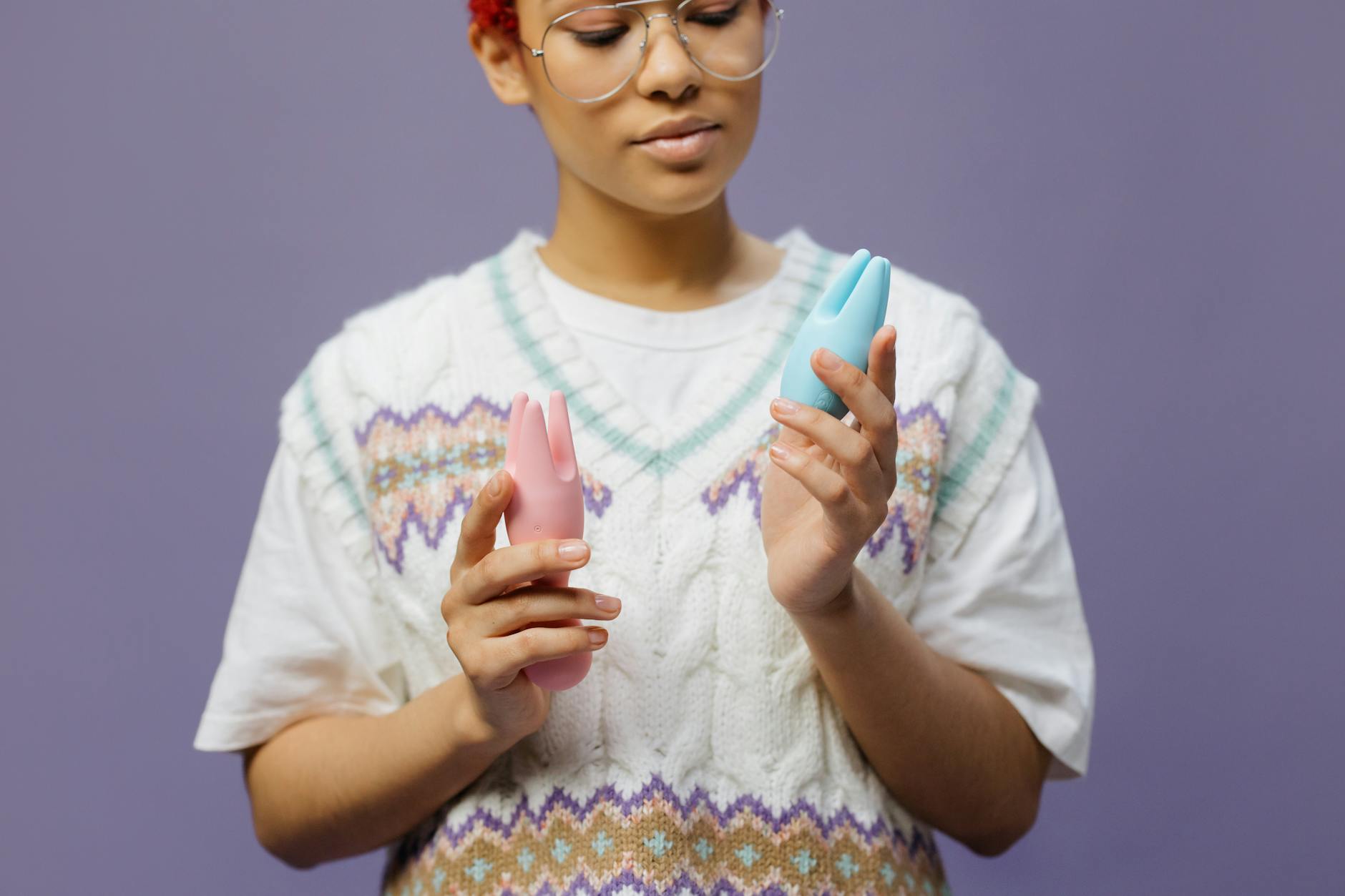
Photo by cottonbro studio on Pexels
Sensitivity changes are normal and frequent
Your sensitivity isn't a fixed setting. If you were at intensity 5 last month and intensity 5 feels numb now, something's changed. This is incredibly common and usually means one of four things is happening.
First: you've adapted. Your body stops responding to the same input if you use it the same way every time. Solution? Take a break for a few days, or rotate between patterns and intensities. Second: your cycle shifted it. Estrogen and testosterone fluctuations change how your nerves respond. Same vibrator, different feel. This is especially true if you're experiencing hormonal changes affecting clitoral sensitivity.
Third: you're more stressed than usual. Stress literally dampens nerve response. Your body deprioritizes pleasure when it thinks there's a threat. Fourth: medication changes, sleep debt, or alcohol use the night before. All shift sensitivity. None of these mean anything's wrong. They mean your body's doing what bodies do, which is change.
When sensitivity dips, most people's instinct is to turn the intensity up. Fight that. Go lower instead. Drop to tier 1. Rediscover what actually feels good at that sensitivity level. Relearn the buildup. Your body will respond better to meeting it where it is instead of forcing it to chase a sensation that isn't registering.
When a clitoral vibrator feels too intense no matter what
If you're on the lowest settings and it still feels sharp, overwhelming, or uncomfortable, you have three options. One: lubricate more. Adequate lubrication changes everything about how a vibrator feels against tissue. Two: use the vibrator over clothing or over a thin fabric. This reduces intensity by about one tier naturally. Three: touch the vibrator to different parts of the vulva, not just the clitoral glans. The outer labia, the hood, the upper slope. Same vibrator, wildly different sensation depending on where it's making contact.
If you have clitoral numbness affecting your sensation, extreme sensitivity might actually be a different nerve issue. A licensed pelvic floor therapist can help you figure out what's happening. Sometimes it's not about the vibrator at all.
The thing about intensity and orgasm quality
More intense doesn't mean better orgasm. This bears repeating because it's the biggest lie in sex toy culture. The best orgasms come from sustained, moderate intensity that lets your body build gradually and your brain stay engaged. An orgasm at intensity 4 that you've been building toward for 20 minutes is usually more full-bodied than a quick climax at intensity 8.
That said, some people genuinely prefer faster, intensity-driven orgasms. That's valid. But even then, starting low and building still works better than going straight to maximum. You're choosing a higher intensity because it's the right one for you, not because you panicked and jumped there.
Intensity is a tool. Not a finish line. The right intensity is the one that keeps you engaged, responsive, and building momentum. For you, right now. Not for anyone else, and not for how you felt six months ago.
The FAQ section: what people actually ask
Is it bad to always use the highest intensity setting?
Yes, but not dangerous. Your body adapts to consistent input. If you always use intensity 8, your nerves recalibrate around that baseline. Intensity 5 starts feeling like nothing. You need ever-higher intensity to feel anything. It's a ratchet effect. Solution: vary your intensity. Use tier 2 or 3 most of the time. Save the highest settings for maybe once a week. Your body will stay responsive, and pleasure will feel more available to you overall.
How do I know if I'm numb from the vibrator or actually not interested?
Numbness from vibration is localized and immediate. You feel buzzing, but pleasure isn't building. Real disinterest is broader. You're not excited about the time, the setting, or the situation. It's less about sensation and more about context. If you're numb but would be excited if the sensation worked, try dropping intensity and adding more time. If you're not numb but just not interested, that's a different conversation about arousal, desire, or what you actually want that day.
Can I use a lower intensity vibrator if I'm used to high intensity?
Switching to a lower intensity vibrator after using high intensity feels like going backward. But it's actually a reset. Try it for two weeks at lower intensity, varying the patterns. Your sensitivity will return. Then you can make a choice: stay at lower intensity because it turns out you like it, or upgrade to a stronger vibrator knowing you've optimized your body's response first. Don't assume a stronger vibrator is better until you've explored what your current one can actually do.
What if my partner and I have different sensitivity levels?
Start with whoever is less sensitive. Build their arousal first. By the time you're ready to bring in a lemon clitoral vibrator, they'll already be responsive. More sensitive partners can help someone less sensitive by building anticipation, providing touch, changing the environment. The vibrator is the tool, but the relationship context is what makes it work. Some couples find it helpful to explore separately first, then share what worked.
Should intensity feel different between solo and partnered use?
Yes. With a partner, you have other sensation happening. Touch, attention, presence. That context means you might need lower intensity because you're already aroused. Or you might want higher intensity because you want a specific type of stimulation that's separate from what your partner provides. Neither is wrong. Just adjust based on what's happening.
How often should I change my intensity level?
If something stops working, change immediately. If it's still working, no timeline required. Some people rotate daily. Some stick with one tier for months. Your body will tell you when it needs something different. The key is paying attention instead of running the same setting on autopilot.
The bottom line
Intensity is personal, variable, and worth exploring. The lemon sucker you bought isn't broken if the highest setting doesn't feel amazing. You might just be using the wrong tier for your body right now. Start low. Build intentionally. Pay attention to what actually works instead of what you think should work. Your sensitivity will thank you.