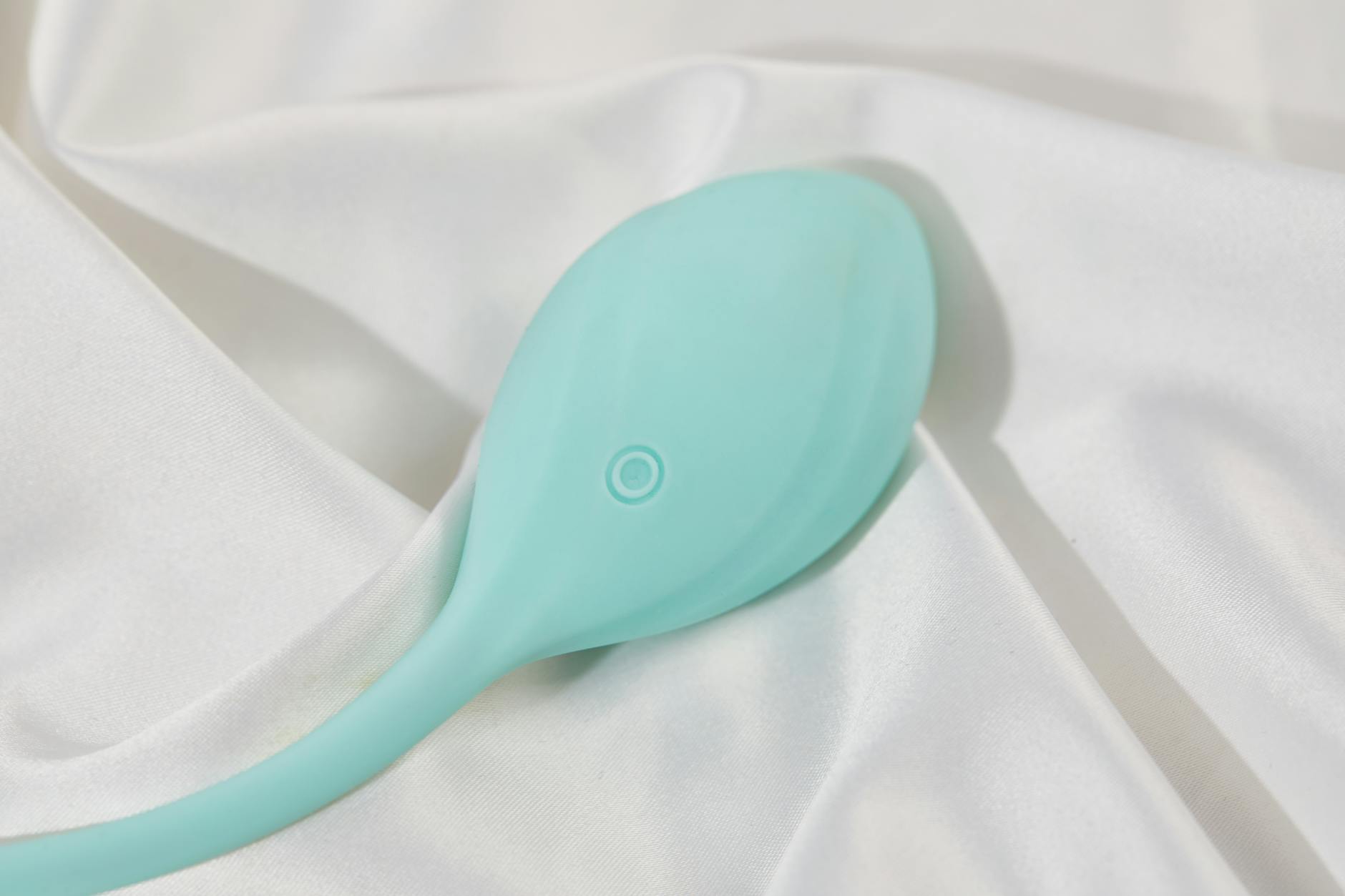
How Lemon Vibrators Improve Arousal When You Have Pelvic Pain
Let's be real. If you've got pelvic pain—whether it's vaginismus, vulvodynia, endometriosis, or pelvic floor dysfunction—traditional vibrators often feel like a terrible choice. They buzz directly against sensitive tissue. They require pressure. They can trigger the exact tension response you're trying to avoid.
Here's what changes with a lemon vibrator. Instead of vibration creating micro-oscillations against your tissue, suction works through indirect stimulation. It draws tissue into the cup gently, creating sensation without the impact. For many people with pelvic pain, this difference is the whole ballgame.
Why pressure-based vibration triggers pain
Your pelvic floor is not a mystery. When you have pelvic pain, your nervous system has learned to guard that area. It's protective. The second it senses direct pressure or repetitive impact, your muscles clench tighter. This is a reflex, not a choice. You can't think your way out of it.
Traditional vibrators are pressure-based stimulation. They require direct contact and force oscillations through your tissue at 5,000 to 10,000 cycles per minute. For a healthy pelvic floor, that feels great. For one that's already guarding, it reads as a threat. The muscles contract. Arousal tanks. Pain increases.
This creates a feedback loop that's incredibly frustrating: you want pleasure, your body perceives danger, your nervous system locks down. Then you feel broken on top of being in pain.
How lemon clitoral vibrators work differently
A lemon vibrator (like the Lem) uses air-suction technology, not vibration. Instead of pushing into your tissue, it creates a gentle seal around your clitoris and pulses air in and out. This draws blood to the area through negative pressure rather than through impact.
The sensation is more like a mouth than a buzzer. It's indirect, rhythmic, and it engages your nervous system through a different pathway. Because there's no direct mechanical pressure, your pelvic floor doesn't receive the same "guard now" signal.
For people with pelvic pain, this is often the first time in years that arousal feels possible without triggering a pain response.
What changes in your arousal when you try suction
Three things happen differently:
1. Sensation arrives slower but it arrives deeper. With pressure-based vibration, you feel stimulation immediately at the surface. With suction, the blood rush takes 30 to 60 seconds to build, but it often feels more integrated into your whole body. The arousal spreads rather than stays localized.
2. The nervous system doesn't lock up. Because suction doesn't trigger the same protective reflex as pressure, your pelvic floor stays relatively calm. This means you can actually experience arousal instead of spending mental energy managing pain.
3. Orgasms often feel different—sometimes better. Without the pelvic floor clenching in protection, your nervous system has more bandwidth for pleasure. Many people report that their first orgasm with a lemon clitoral vibrator feels fuller, less frantic, sometimes even deeper.

Photo by Olga Lioncat on Pexels
Starting with lemon vibrators if you have pelvic pain
If you're considering trying a lemon sucker for the first time and you have pelvic pain, here's the practical roadmap:
Start with the lowest settings. Most air-suction toys like the Lem have 3 to 5 intensity levels. Begin at level 1 or 2, even if it feels barely there. The goal is not intensity. The goal is showing your nervous system that this is safe.
Use plenty of contact time before expecting sensation. Unlike vibration, which creates immediate stimulus, suction needs a minute or two to build blood flow. Place the toy, create the seal, and just breathe. Let your body register that nothing is hurting.
Pay attention to your pelvic floor. Once you're using the toy, do a body scan. Are your glutes clenching? Is your lower belly tight? These are signs your nervous system is still in protection mode. If you notice this, pause. Take three deep breaths. Sometimes just acknowledging the tension is enough to ease it.
Expect that the first session might just be data. You're not necessarily aiming for an orgasm on day one. You're teaching your nervous system that this sensation is safe. If you get aroused, wonderful. If you just feel curious and warm, that's also data. Both mean it's working.
Positioning and pain management
Your position matters more with pelvic pain than it does for people without it. Certain angles will trigger tension more easily than others.
Many people find that lying on their back with a pillow under their lower back works best. This takes pressure off the pelvic floor. Some people prefer sitting up slightly, leaning back against pillows. A few people find that standing or kneeling works better because it gives them more control.
Experiment once. Notice what feels least triggering. Then stick with that position for your first few sessions. Consistency helps your nervous system build a new association.
When to use a lemon vibrator in partnership
If you have a partner and you want to explore lemon clitoral vibrators together, read the piece on <a href="/blog/how-to-use-lemon-vibrator-with-partner-comfort-and-communication">how to use a lemon vibrator with a partner</a>. The communication piece matters extra when pelvic pain is involved. Your partner needs to understand that you might need to pause, that sensation might feel different than they expect, and that this isn't about their performance. It's about building a new neural pathway.
What to know about sensitivity
If you have sensitive skin or irritation around your vulva, a lemon vibrator is often gentler than other options. Because suction doesn't rely on friction, there's less abrading. However, silicone toys still need the right lubricant and regular cleaning.
Use a water-based lube every time, even if your body produces its own lubrication. The lube makes the seal better and reduces any dragging sensation. Clean your toy with warm water and mild soap after each use, then air-dry completely.
For people with skin conditions like eczema or folliculitis in the vulva area, the reduced friction of suction-based stimulation often means fewer flare-ups.
The emotional layer
Pelvic pain often comes packaged with shame. You might feel broken. You might have internalized the idea that your body has failed you or your partner. A lemon vibrator won't fix those feelings, but it can begin to shift them.
When you can experience pleasure without triggering pain, something deep in your nervous system relaxes. You're not broken. Your body isn't the problem. You just needed a different approach.
If you've been avoiding pleasure entirely because of pain, starting with lemon clitoral vibrators can be the permission you need to re-engage. Not because you owe anyone pleasure. Because you deserve to feel good in your own body.
Frequently asked questions
Can a lemon vibrator help with vaginismus?
Vaginismus is involuntary pelvic floor contraction that makes penetration painful or impossible. Air-suction toys don't involve penetration, so they sidestep the reflex that triggers the pain. Many people with vaginismus find that exploring pleasure with a lemon sucker is their first pain-free experience. That said, vaginismus often needs physical therapy alongside pleasure exploration. Consider working with a pelvic floor PT who understands both dimensions.
Will using a lemon vibrator make my pelvic pain worse?
Not if you start gently and listen to your body. The point of using suction instead of pressure is to reduce the chance of triggering pain. That said, if you notice increased pain during or after use, stop and give yourself time. Pain is information. It means your nervous system wasn't ready yet, or the intensity was too high. Lower the setting, wait a few days, and try again.
How long does it take before a lemon vibrator feels good?
For people without pelvic pain, usually immediately. For people with pelvic pain, it can take three to five sessions for your nervous system to register that this is safe. Be patient with yourself. You're rewiring a protective response. That takes time.
Is suction-based stimulation better than vibration for everyone with pelvic pain?
No. Some people with pelvic pain find vibration works fine if the intensity is low enough. Others find that suction helps but isn't the whole answer. The best approach combines the right toy with pelvic floor physical therapy, nervous system work, and often communication with a partner. A lemon clitoral vibrator is one tool, not the only one.
Can I use a lemon vibrator if I have endometriosis?
Endometriosis pain varies wildly from person to person. Some people have external pain only; others have deep internal pain. A lemon vibrator won't aggravate endometriosis itself, but it might trigger pain if your endometriosis causes pelvic floor tension. If external stimulation feels safe, you're likely fine. If you notice pain during arousal, check with your gynecologist or pelvic floor PT.
What if I'm taking pain medication or muscle relaxants?
There's no contraindication. In fact, if you're taking muscle relaxants for pelvic floor tension, using a lemon vibrator during that window when your muscles are more relaxed can help your nervous system build a new association with pleasure. Just make sure you're using the toy safely (good seal, proper lube, staying aware of sensation).
Moving forward
Pelvic pain is real and it's not your fault. You're not broken, and you're not alone. Thousands of people navigate pelvic pain and reclaim pleasure through different tools and approaches. Lemon clitoral vibrators are one option that works for many people because they side-step the pressure-based reflex that locks down your pelvic floor.
If you're ready to explore, start slow. Use the lowest setting. Give your nervous system time to learn that this is safe. And if you get stuck or if pain persists, reach out to a pelvic floor physical therapist or a sex-positive gynecologist. You deserve support and you deserve pleasure.
Ready to take the next step? <a href="/contact">Get in touch with us</a> if you have questions about which lemon vibrator might be right for you, or check out <a href="/blog/best-lemon-clitoral-vibrator-for-sensitive-skin-and-bodies">our guide to lemon clitoral vibrators for sensitive bodies</a>.