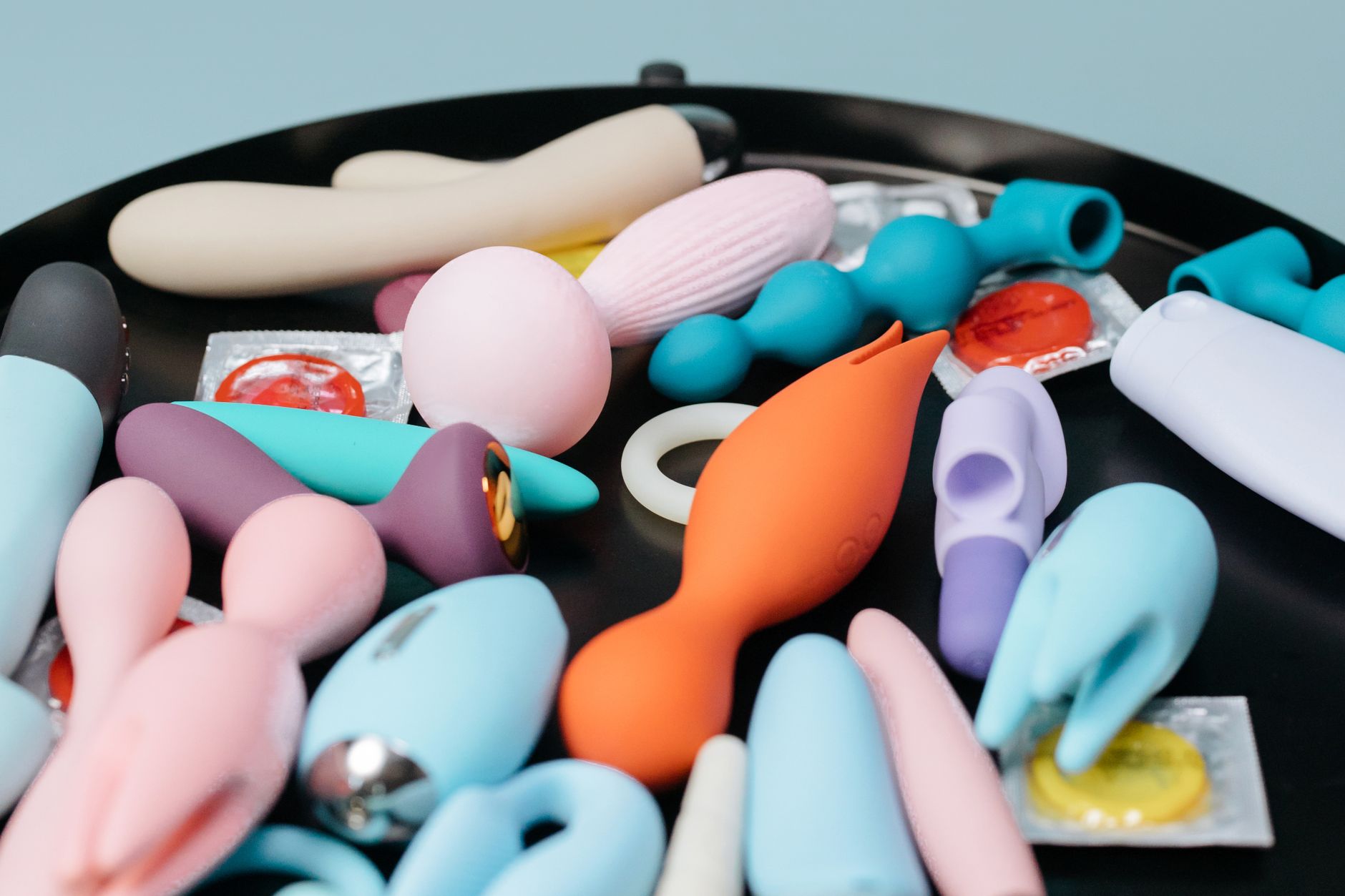
Let's talk about what nobody mentions in the recovery room
Your surgeon cleared you to resume "normal activity." What that actually means when it comes to pleasure is vague, confusing, and honestly not something most gynecologists are equipped to clarify. The result: people emerge from recovery either white-knuckling through months of worry or diving back in with zero information. Both extremes are unnecessary.
Here's what I've learned working with hundreds of people navigating post-surgical healing: pleasure and recovery aren't opposing forces. Done carefully, they're partners. And if you're considering using a lemon vibrator during this phase, you're already thinking smarter than most.
Why lemon vibrators are different during healing
Let me start with the basic physics. A traditional vibrator works through oscillation—rapid back-and-forth movement that creates intense stimulation. A lemon clitoral vibrator like Hello Nancy's works through gentle suction and pulsing patterns. This distinction matters enormously after surgery.
When tissue is healing, it's delicate. It's also often numb or hypersensitive—sometimes both in different spots. Direct, sustained vibration can irritate freshly healed tissue. Suction-based stimulation is gentler because it draws sensitive nerve endings inward rather than working against the surface. It's indirect pressure instead of direct friction.
I've worked with clients recovering from labiaplasty, hysterectomy, vaginoplasty, and vulvar vestibulectomy. The feedback is consistent: the suction-based approach feels safer, more controlled, and less likely to trigger sharp pain or swelling.
The timeline that actually makes sense
Most gynecologists give a six-week all-clear, but that's a baseline. Internal healing and external tissue healing happen on different schedules. Here's how I think about it:
Weeks 1-3: Don't touch anything sexual. Your job is sleep, hydration, and letting inflammation subside. This isn't negotiable.
Weeks 3-6: You might feel ready. You're probably not. Pain-free doesn't mean healed. Scar tissue is still forming, and it's vulnerable to re-injury if you rush.
Week 6 onwards: Your surgeon says you're cleared. Before you leap in, ask yourself: can you sit comfortably for an hour? Can you walk without limping? If the answer is no, internal healing isn't complete.
Week 8-10: This is when most people should consider restarting any kind of sexual activity. I know that feels conservative. It's actually the opposite.
Once you're in the green zone, a lemon clitoral vibrator lets you restart gradually. You're not jumping into partnered sex or vigorous self-pleasure. You're exploring sensation at your own pace with a tool that gives you control over pressure, pattern, and duration.
How to actually restart with a lemon sucker
Three rules before you begin:
Rule one: Get clearance, then use common sense. Your surgeon clears you medically. That's not permission to ignore your body's signals. If something feels sharp, burning, or swollen afterward, you went too far.
Rule two: Start with the lowest setting. The Lem vibrator has multiple intensity levels. Begin at pattern one and spend time there. There's no prize for ramping up to high intensity quickly. The goal is reconnection, not performance.
Rule three: Keep it short. Five to ten minutes is plenty for early-phase recovery. Your nervous system doesn't need a marathon to rebuild pleasure pathways. Consistency beats duration here.
When you're ready to explore, spend the first few sessions just noticing sensation without expectation. Can you feel pleasure return? Where is sensation present versus numb? Orgasm isn't the goal yet. Comfort is.
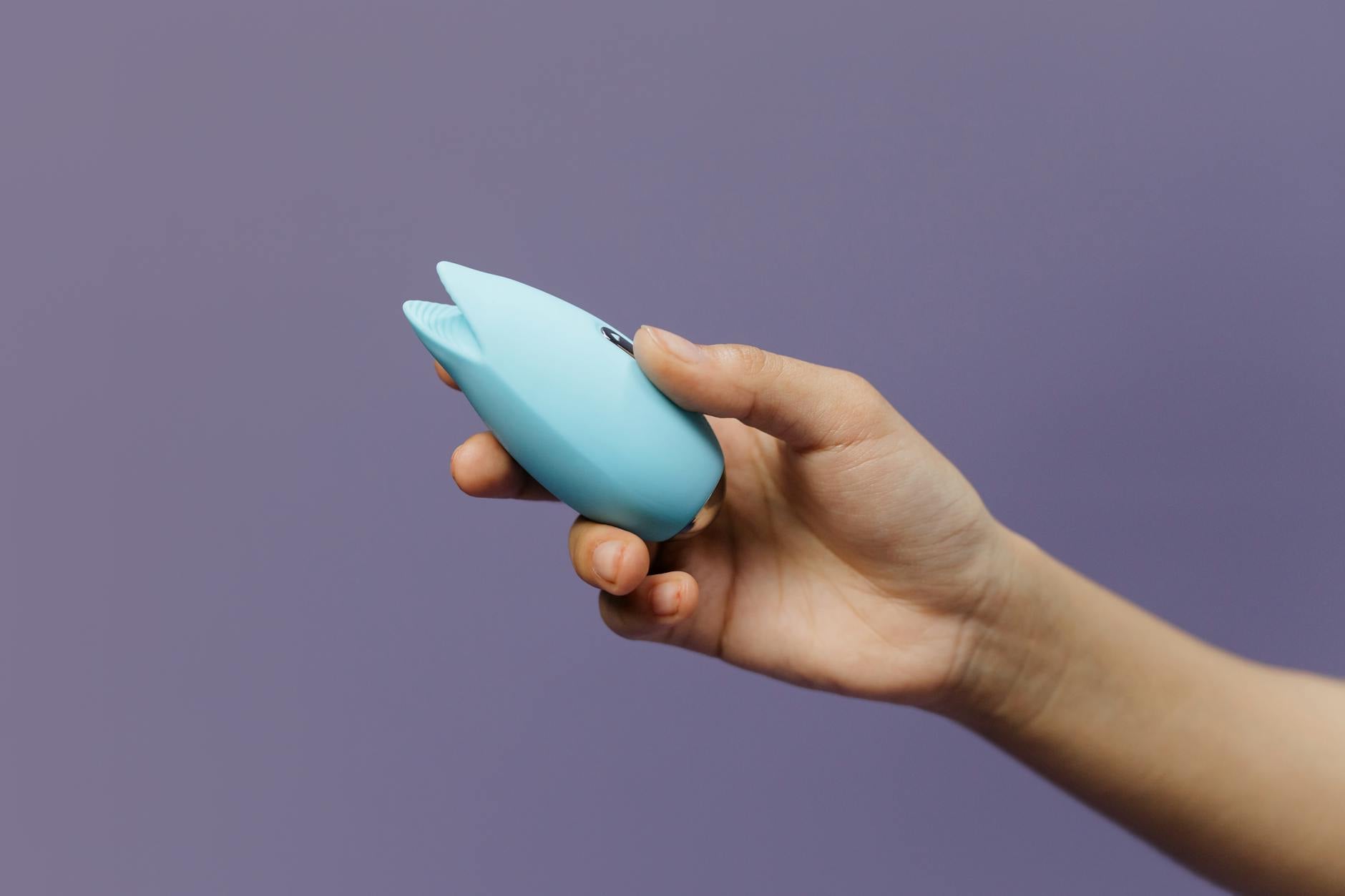
Photo by cottonbro studio on Pexels
Why scar tissue deserves attention
One thing nobody prepares you for: scar tissue can feel weird for months. It might be tight, tender, or create a sense of pressure that feels almost itchy. Some people describe it as a tightness that travels. If your surgery involved cutting or stitching, this is normal.
Gentle suction stimulation can actually help with this. Because a lemon clitoral vibrator works through pulsing suction rather than vibration alone, it encourages tissue mobility and blood flow without harsh friction. I'm not saying it heals scars—only time and cellular regeneration do that. But it can reduce the sense of rigidity and help you reconnect with sensation in areas where numbness lingers.
If scar pain intensifies with any tool, stop and talk to your surgeon. Sharp pain isn't something to push through.
The mental piece (which is honestly as important as the physical)
Surgery changes your relationship with your own body. Whether it was medically necessary or elective, something happened to your vulva that was outside your control. Reclaiming pleasure isn't just physical. It's psychological.
When you restart with a lemon vibrator, you're also rebuilding the message to yourself that your body is still yours. That healing doesn't mean asexuality. That your pleasure still matters. This reframing is enormous, and it's why I recommend doing this solo before involving a partner.
Your first experiences back should be about you. About curiosity, gentleness, and permission. Not about proving something to someone else.
What to know about lubrication during recovery
Your body might not produce lubrication the way it used to, especially if surgery involved hormonal changes or tissue removal. Use water-based lubricant generously. You're not being lazy or broken. Healing tissue needs moisture, and external lubrication is an ally, not a sign of failure.
Avoid silicone-based lubes with a lemon clitoral vibrator—the silicone body reacts poorly. Stick to water-based options and reapply frequently. Forget the idea that lube is something you graduate past. For recovery, it's non-negotiable.
When to involve a partner
Once you've spent a few weeks restarting solo, you might want to bring a partner back in. The conversation should be simple: "I'm relearning my body, and I need to go slowly." A good partner understands that surgery was a big deal and that rebuilding takes time.
If your partner pressures you to move faster, that's information about your relationship, not your body. You get to take as long as you need. Period.
The self-compassion part
Here's what I tell people: if you've had surgery, you've been through something. Your body did something brave and necessary. Pleasure might come back differently than before. That's not a failure. That's adaptation. Lemon vibrators work because they meet you where you are instead of demanding you go back to where you were.
Recovery isn't linear, and your pleasure won't be either. Some days you'll feel fully reconnected. Other days you'll feel stuck. Both are normal. The goal isn't to race back to baseline. It's to build a new normal that honors what your body has been through.
People also ask
How long after surgery can I use a vibrator?
Most surgeons recommend waiting until internal healing is complete, typically 8-10 weeks. This depends on the type and extent of surgery. Always get explicit clearance from your surgeon before restarting any sexual activity, including vibrator use.
Will using a lemon vibrator after surgery cause complications?
If you follow your surgeon's timeline and start gently with the lowest intensity, a suction-based lemon clitoral vibrator is significantly gentler than traditional vibrators. The key is patience. If you experience sharp pain, swelling, or discharge following use, stop and contact your surgeon.
Can a lemon vibrator help with numbness after surgery?
Yes, many people find that gentle suction stimulation helps reactivate sensation and blood flow to healing tissue. Numbness often resolves on its own, but consistent, gentle stimulation from a lemon vibrator can support that process without causing harm.
Is it normal to feel anxiety about restarting after surgery?
Completely normal. Your body went through trauma, even if it was medically necessary. Using a lemon vibrator solo first—without performance pressure—can help you rebuild confidence and reconnect with pleasure at your own pace.
What if my partner wants to be involved in recovery?
Communication is everything. Let them know the timeline and why you need it. If they're supportive, they can help by being patient while you rebuild. If they pressure you, that's a separate conversation worth having. Your recovery comes first.
Can I use the Lem vibrator during recovery, or should I wait?
The Lem vibrator's suction-based design makes it one of the gentler options for post-surgical recovery, but only after you've been cleared by your surgeon and well past the initial healing phase. Start at the lowest intensity and increase gradually as comfort allows.
Your pleasure matters now, just as much as it did before surgery. Healing doesn't erase desire, and restarting with the right tools and timeline lets you rebuild that connection safely. If you have questions about your specific recovery, talk to your surgeon or a pelvic health specialist. And if you need support navigating the emotional side of post-surgical recovery, that's worth addressing too. You don't have to do this alone.