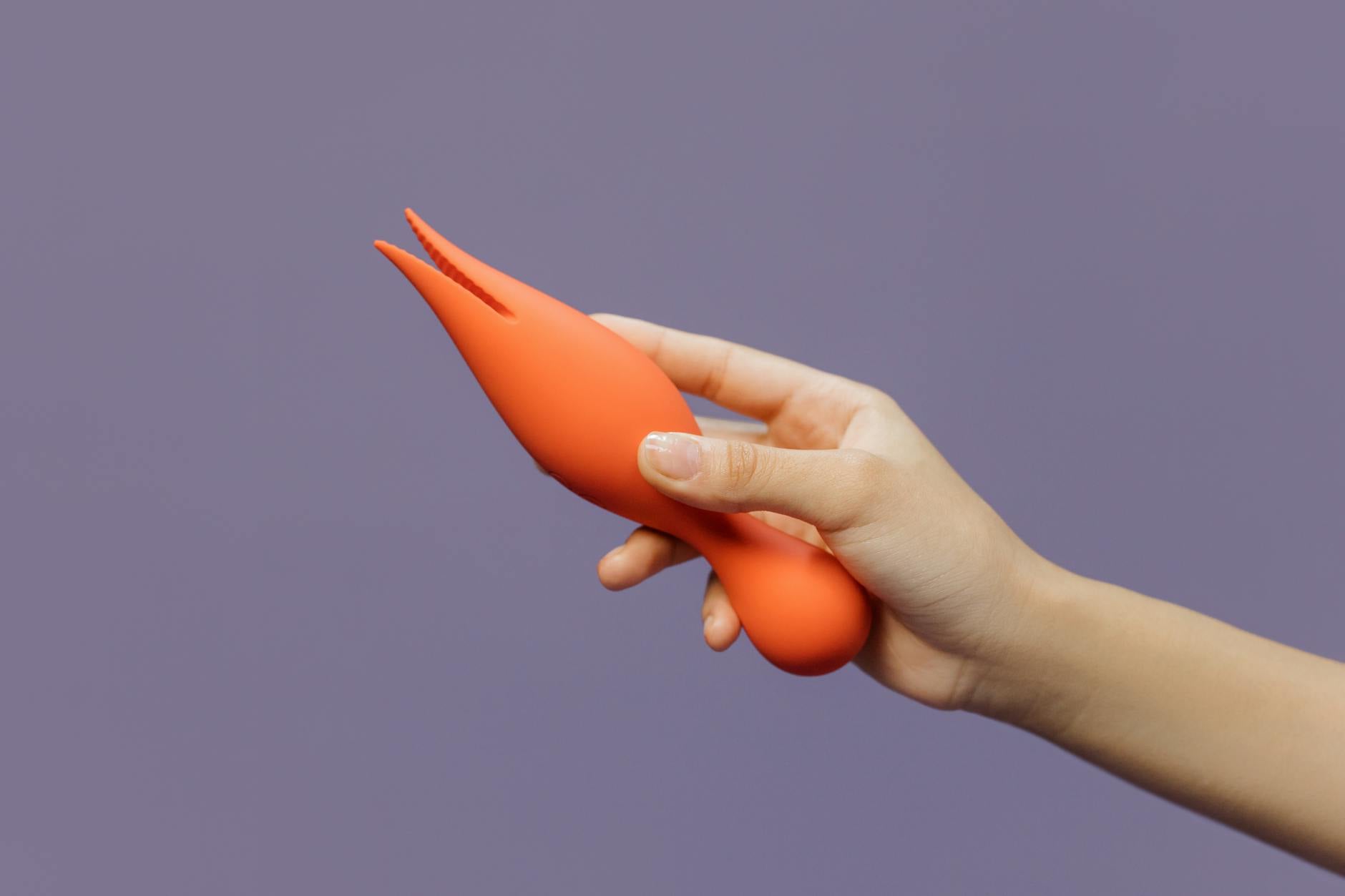
Okay so, sensitive doesn't mean broken
Let's be real. If you have sensitive skin, reactive tissue, vulvodynia, or you've just noticed that most vibrators feel too intense, you've probably scrolled through a lot of options and felt frustrated. Here's the thing: sensitive tissue isn't a problem to solve. It's a signal telling you that most mass-market vibrators are designed wrong for your body.
There's a meaningful difference between a lemon clitoral vibrator built with gentleness in mind and one built to be loud and intense. Air-suction technology changes everything.
Why traditional vibrators often fail sensitive bodies
Most clitoral vibrators use direct oscillation. They buzz. That works fine if your tissue is thick and you want strong stimulation, but on sensitive skin, direct contact at high frequencies can feel like you're being sandpapered rather than pleasured.
Here's what happens with conventional vibrators on sensitive tissue.
The vibrating head makes direct contact with delicate areas. Repetitive contact, even at lower settings, can trigger irritation, micro-abrasions, or that overstimulated feeling where touching yourself becomes genuinely uncomfortable. Your body isn't broken. The tool is just wrong.
Additionally, many mass-market vibrators use porous materials, heavy dyes, or phthalates that your sensitive skin might react to. Redness, itching, or burning can follow use. Then you assume you're the problem and stop trying.
Why lemon clitoral vibrators work differently
Air-suction lemon vibrators operate on a completely different principle. Instead of direct oscillation, they create gentle pulses of air pressure that stimulate the clitoris without harsh mechanical friction.
This matters enormously for sensitive bodies. Air-suction doesn't require direct contact with the same intensity that a traditional vibrator does. The sensation is more diffuse, gentler, and often more pleasurable because it stimulates a broader area of nerve tissue rather than one concentrated point.
The Lem, for example, uses soft silicone with a sealed lip that creates suction around the clitoris. There's no direct friction. No grinding. Just rhythmic pressure that builds sensation gradually. People with vulvodynia, high sensitivity, or reactive skin report that this approach is transformative because it doesn't trigger pain or irritation.
One more thing: air-suction vibrators typically use fewer settings, but they're calibrated better. You get patterns 1-5 that actually change the experience, rather than 20 settings that feel mostly the same. Simplicity here means thoughtfulness.
Material quality changes everything
Honestly though, the technology matters less than what the vibrator is made of if you have sensitive skin.
Quality medical-grade silicone is non-porous, hypoallergenic, and designed to last without breaking down or leaching chemicals. It's smooth to the touch and doesn't hold bacteria the way cheaper materials do. That's not marketing. That's material science.
When you're buying a lemon vibrator or any clitoral toy, check two things: First, confirm it's medical-grade silicone, not TPE or PVC. Second, look for brands that have third-party testing for phthalates and heavy metals. Hello Nancy publishes full material specs for this reason.
Some vibrators use hypoallergenic coatings or finish the silicone in a way that makes it feel more like skin than plastic. That tactile quality matters, especially for sensitive people who find textured or rough surfaces painful.
Power settings for sensitive bodies
Here's a practical tip: most people with sensitive tissue actually need lower power, not gimmicky ergonomics or fancy features.
The Lem and similar air-suction lemon vibrators have simple, low-speed settings designed for control. Pattern 1 and 2 are genuinely gentle. You can build from there without feeling overstimulated. Compare that to traditional vibrators where even the "low" setting is often way too much.
Also, start with about 30-40% of the vibrator's maximum power if you're new to your body's sensitivity. You can always turn it up. You can't quickly turn it down if you're already uncomfortable.
Lubrication becomes your best friend
Water-based lubricant is non-negotiable for sensitive bodies using any clitoral vibrator, but especially air-suction toys.
The seal that creates suction works better with a thin layer of lubricant between the silicone and your tissue. It also reduces any chance of micro-abrasion. Use quality, fragrance-free water-based lube (no parabens, no glycerin if you're prone to infections).
If you have atrophy or particularly thin tissue, silicone-based lubricant feels richer, though you can't use it with silicone toys because it can degrade the material. In that case, hyaluronic acid serums designed for vulvular health are worth exploring.
One detail: reapply lube as you go. That seal dries out after 10-15 minutes. Drying kills the sensation and increases friction.
When to avoid vibrators temporarily
If you're currently dealing with an infection, active inflammation, open micro-tears, or a flare of vulvodynia, skip vibrators entirely until it calms down.
Vibration on inflamed tissue is like pressing on a fresh bruise. It will make things worse. Wait until you're symptom-free for at least a week before trying again. If sensitivity is chronic, work with a pelvic physical therapist or gynaecologist who specializes in vulvodynia. They can help you understand what's triggering your body and what tools are actually safe for your situation.
If you've had yeast infections triggered by toys in the past, make sure you're disinfecting properly between uses. Boil silicone toys for 3-5 minutes, or soak them in a diluted bleach solution (1 part bleach to 10 parts water) for 10 minutes. Rinse thoroughly. Let them air-dry completely before storing.
The sensitivity you feel might be a feature, not a bug
Here's something I tell my clients who've been made to feel broken because of their sensitivity: some nervous systems are wired to feel more.
That heightened sensation can be a superpower. It means you pick up on subtle pleasure that people with less sensitive tissue might miss. It means you need gentler, more thoughtful stimulation. But it also means that when you find the right tool, the pleasure response is often incredibly intense.
Air-suction lemon vibrators are built for this. They work with your sensitivity instead of against it.
FAQ: Sensitive Skin and Lemon Clitoral Vibrators
Can I use a lemon vibrator if I have vulvodynia?
Maybe, but work with a healthcare provider first. Vulvodynia is nerve-related pain, and vibration sometimes helps and sometimes triggers it depending on your subtype. Some people with vulvodynia find air-suction vibrators gentler than traditional ones. Start with the lowest setting, use plenty of lube, and stop immediately if you feel pain rather than pleasure. If stimulation consistently hurts, that's not the right tool for your body right now.
Are lemon vibrators hypoallergenic?
Not inherently, but lemon clitoral vibrators made from medical-grade silicone like the Lem are hypoallergenic if they're manufactured without phthalates or heavy metals. Check the product specs or contact the brand directly. Some people with latex allergies worry about silicone, but they're completely different materials. Silicone is actually safer for allergy-prone skin.
Should I size down if I have sensitive tissue?
Size matters less than material and technology. A lemon sucker that's smaller might feel less intense, but it could also concentrate pressure on a smaller area, making things worse. The Lem's design already distributes pressure broadly, so size isn't the main variable. Focus on air-suction technology and low power settings instead.
What if I react to water-based lube too?
Try a few options: coconut oil (though avoid with silicone toys), hyaluronic acid serums made for intimate use, or oil-based lubes if you're not prone to infections. Some people with reactive skin do better with minimal lube and more air-suction pressure instead. Experiment, but always patch-test new lube on a small area first.
How often can I use a vibrator if I have sensitive skin?
Daily use is fine if it feels good and you're using plenty of lube. Your tissue isn't being damaged by gentle vibration. In fact, regular blood flow to the area can improve tissue health. The question isn't how often, but whether each session leaves you feeling good or irritated. If you're sore afterward, scale back frequency or intensity.
Do I need a special cleaner for lemon vibrators?
Warm water and mild soap work fine. You can also use a toy cleaner designed for silicone if you prefer. Avoid harsh soaps, alcohol-based cleaners, or anything with fragrance. Dry thoroughly before storing. If you want deep sanitation, boil your vibrator for 3-5 minutes. This is especially important if you have recurrent infections.
The takeaway
Sensitivity is real, but it doesn't mean you have to accept less pleasure.
Air-suction technology, medical-grade silicone, and thoughtfully calibrated power settings exist specifically because sensitive bodies deserve tools designed for them. A lemon clitoral vibrator like the Lem isn't a compromise. It's often the best choice, especially if traditional vibrators have left you frustrated or uncomfortable.
Start low. Use lube generously. Listen to what your body tells you. If something hurts, stop. If something feels amazing, you've found your tool.
Your sensitivity isn't broken. It just needs the right match. And that's worth the time to find.